

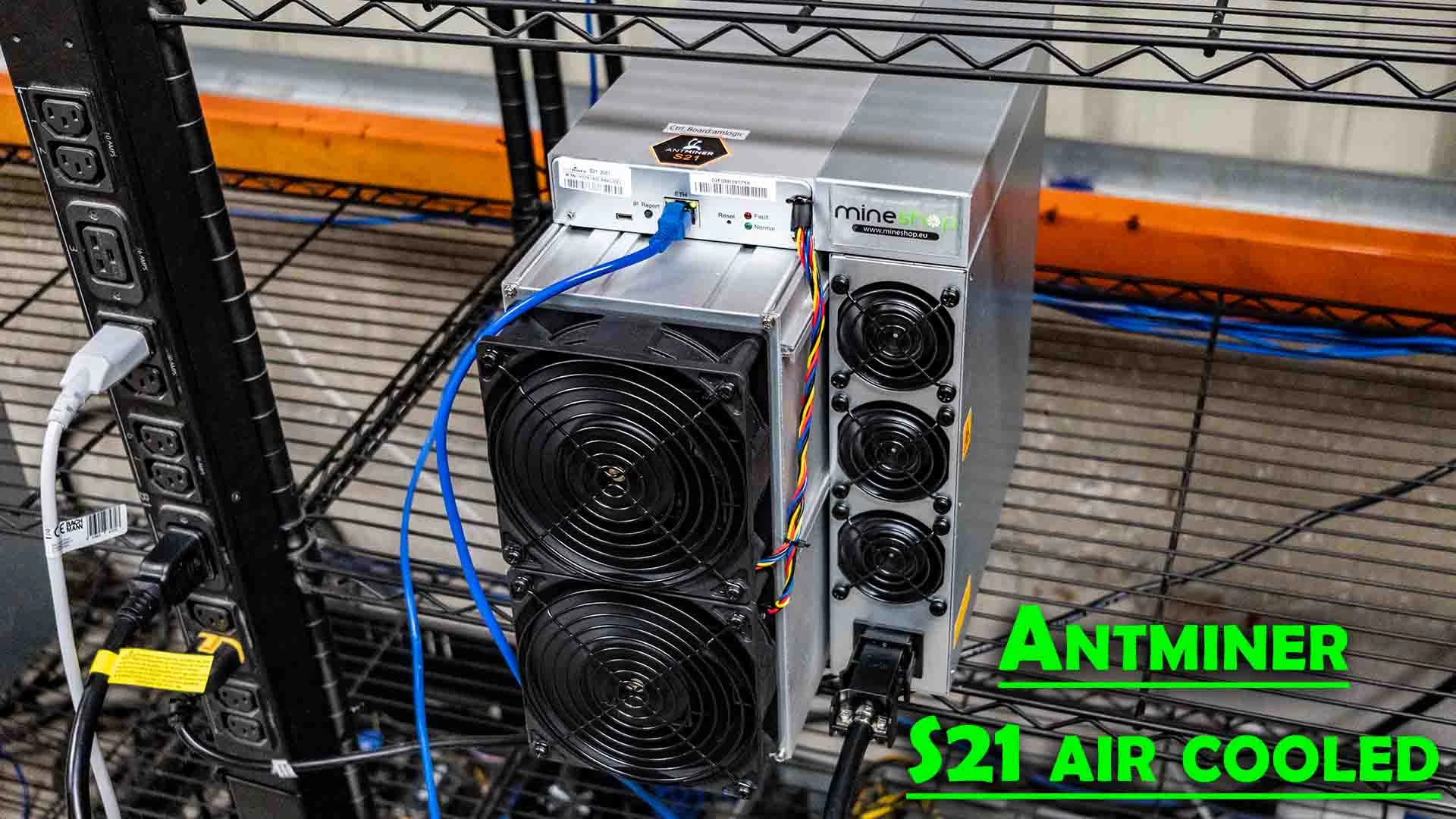
How to Start Crypto Mining in 2025: A Complete Guide
How to Start Crypto Mining in 2025: A Complete Guide
1. Introduction
Cryptocurrency mining has evolved significantly over the past decade, shifting from hobbyist GPU rigs to industrial-scale ASIC farms. Despite market fluctuations, mining remains a profitable venture when approached strategically. In 2025, crypto mining is no longer just about setting up a rig in your basement—it requires careful planning, hardware selection, and risk assessment.
This guide will walk you through everything you need to know about starting crypto mining, choosing the right equipment, predicting profitability, and understanding the risks involved. Whether you're a home miner looking for a quiet setup or an industrial player planning a large-scale operation, this comprehensive guide has you covered.
2. Understanding Crypto Mining
What Is Cryptocurrency Mining?
Cryptocurrency mining is the process of validating transactions and securing blockchain networks using computational power. Miners solve complex cryptographic puzzles to add new blocks to the blockchain, earning cryptocurrency rewards in return.
How Mining Contributes to Blockchain Security
Mining plays a crucial role in maintaining blockchain integrity. By requiring computational work (Proof-of-Work or PoW), mining prevents fraudulent transactions and double-spending. The network remains decentralized, with miners competing to process transactions and confirm new blocks.
Proof-of-Work (PoW) vs. Proof-of-Stake (PoS)
While PoW mining requires hardware (ASICs, GPUs, or FPGAs) to solve puzzles, Proof-of-Stake (PoS) uses a staking mechanism where validators lock up coins instead of using energy-intensive hardware. Many newer cryptocurrencies are shifting to PoS due to energy concerns, but PoW mining remains dominant for major assets like Bitcoin, Kaspa, and Litecoin.
3. Different Types of Mining Equipment
Crypto mining hardware has evolved, offering a variety of options for different needs. Here’s an overview of the most popular categories:
Home Miners (Quiet Mining Options)
If you're looking to mine from home without excessive noise, your best options include:
- Elphapex DH home (Doge) – Lower noise, high efficiency
- Avalon mini 3 – Compact, quiet, and beginner-friendly
- Bitaxe Gamma – Great for lottery Bitcoin mining

Industrial Miners (High Power, High Efficiency, Loud Noise)
Industrial mining rigs are designed for maximum efficiency but produce significant noise. These miners are ideal for large-scale operations:
- Bitmain Antminer S21+ (Bitcoin) – Powerful but very loud
- Whatsminer M60 Series – High hashrate and efficiency
- Antminer L9 – One of the best for large Doge coin farms.
Lottery Miners
Lottery mining is a unique concept where miners contribute hash power with a small chance of winning a large payout. A key example includes:
- Bitaxe Gamma – A compact and efficient Bitcoin lottery miner
Heater Miners (Dual-Purpose Mining & Heating)
Heater miners provide warmth while mining, making them ideal for cold climates:
- Avalon Nano 3S – Mines Bitcoin while heating your space
- Avalon Mini 3 – A silent, efficient heater miner
4. Choosing the Right Miner: Air-Cooled, Hydro, or Immersion?
As mining technology advances, cooling solutions have become a key factor in miner efficiency and longevity. Here’s how different cooling methods compare:
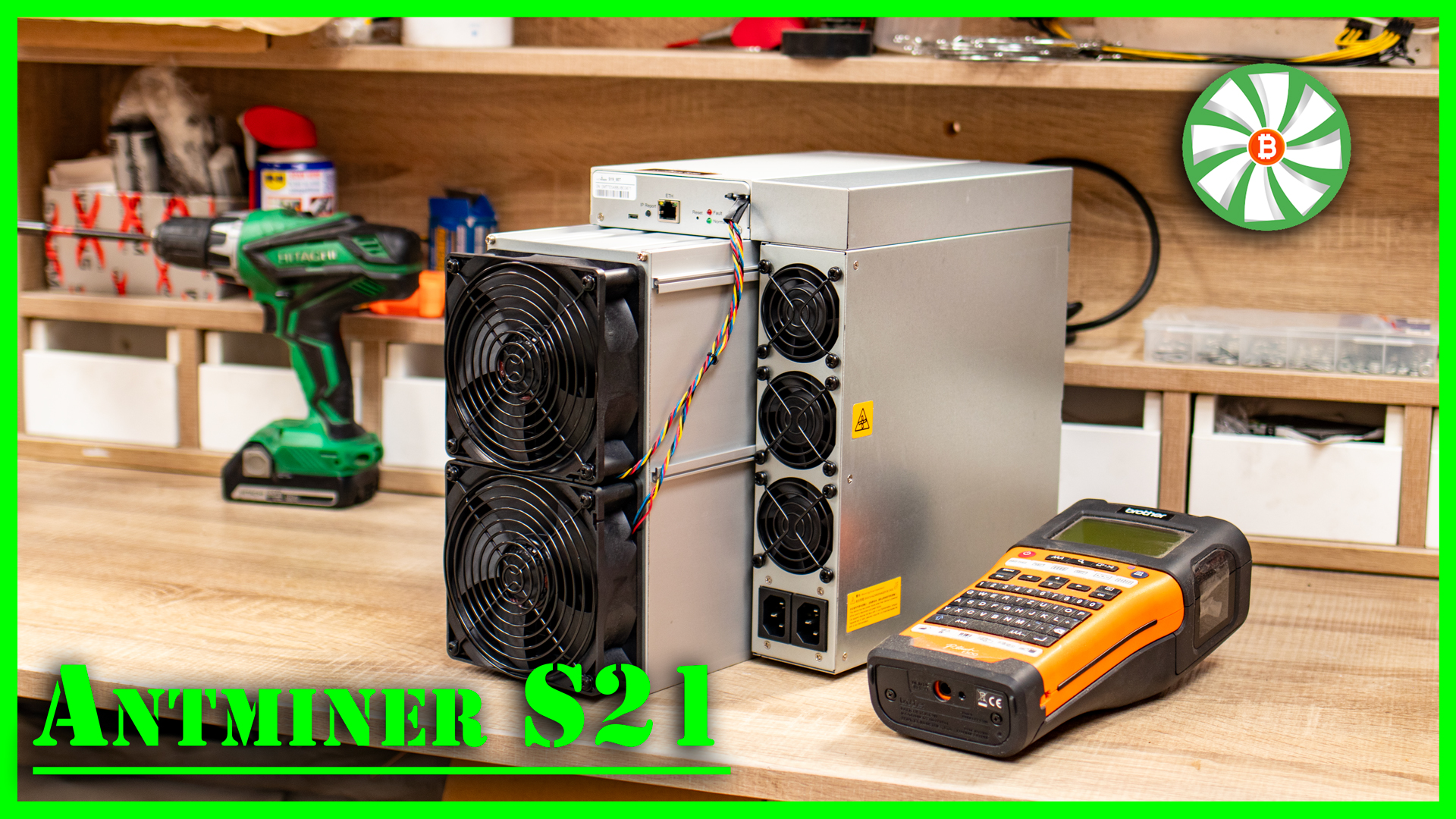
Air-Cooled ASIC Miners
- Most common and affordable option.
- Requires proper ventilation to manage heat.
- Examples: Bitmain Antminer S21, Whatsminer M60
Hydro-Cooled ASIC Miners
- Uses liquid cooling for better efficiency and noise reduction.
- Ideal for industrial setups with dedicated cooling infrastructure.
- Examples: Bitmain Antminer S21XP Hydro
Immersion Cooling
- Hardware is submerged in dielectric fluid to maximize cooling.
- Significantly extends hardware lifespan and reduces maintenance.
- Mostly used for large-scale industrial mining.
5. MineShop.eu: Available Mining Equipment
MineShop.eu is one of the leading suppliers of mining hardware, offering a variety of options to suit different mining needs. Their categories include:
ASIC Miners
- Hydro, air-cooled, and immersion-cooled models.
- Options for Bitcoin, Kaspa, Litecoin, and Dogecoin mining.
FPGA Miners
- Less common but still viable for niche algorithms.
- More flexible but requires technical expertise.
GPU Miners
- Limited due to ASIC dominance in many PoW coins.
- Still used for Raven coin , ergo and other GPU-compatible algorithms.
6. Predicting ROI in Crypto Mining
Profitability in mining is influenced by several key factors:
Factors Affecting ROI
- Cryptocurrency Price Fluctuations – A miner's profitability depends heavily on the market price of the mined coin.
- Mining Difficulty Adjustments – More miners joining the network increase difficulty, reducing earnings.
- Electricity Costs – One of the largest expenses in mining; finding low-cost power solutions is crucial.
- Pool Fees – Most miners join mining pools, which charge fees that impact profitability.
Example ROI Calculation
To estimate ROI, consider the cost of hardware, electricity, and mining rewards over a set period. Online calculators can help predict earnings based on current difficulty and price trends.
7. Risks of Crypto Mining
Mining Difficulty and Profitability Decline
- The release of newer, more efficient mining hardware can quickly reduce the profitability of older miners.
- Increasing network difficulty can lead to lower mining rewards over time.
Price Volatility
- Cryptocurrency markets are highly volatile, which can impact the profitability of mining operations.
- A significant drop in coin prices may make mining unprofitable.
Regulatory Risks
- Government policies on crypto mining vary globally; some regions have outright bans or high taxation.
- Environmental concerns and energy regulations may restrict mining operations.
Hardware Failures & Maintenance Costs
- Mining rigs require ongoing maintenance to ensure optimal performance.
- Cooling solutions, dust control, and regular part replacements are necessary for long-term mining success.
8. The Industrialization of Crypto Mining
How ASIC Manufacturers Now Dominate GPU-Mined Coins
- ASIC miners are now being developed for coins traditionally mined with GPUs.
- Manufacturers have financial incentives to create specialized hardware, reducing the viability of GPU mining.
Why Industrial Mining Is Becoming the Standard
- The cost-effectiveness of large-scale mining farms makes small-scale operations less competitive.
- Access to cheaper electricity and advanced cooling solutions gives industrial miners a profitability advantage.
How Large-Scale Mining Farms Operate
- Mining farms utilize thousands of ASICs in optimized data centers.
- They rely on bulk electricity contracts and custom cooling solutions for efficiency.
9. Steps to Start Mining at Home
- Choosing the Right Miner – Select a quiet and efficient miner suited for home use.
- Setting Up Electrical and Cooling Solutions – Ensure sufficient ventilation and power stability.
- Selecting a Mining Pool – Joining a pool increases the likelihood of steady earnings.
- Calculating Profitability Before Investing – Use online calculators to assess potential earnings.
- Managing Earnings and Crypto Payouts – Choose a secure wallet and reinvest profits strategically.
9. Steps to Start Industrial Mining
- Securing a Suitable Location – Look for regions with cheap electricity and favorable regulations.
- Selecting Industrial-Grade Miners – Opt for high-efficiency ASICs with advanced cooling solutions.
- Energy Contracts and Sustainability Solutions – Negotiate bulk electricity rates and consider renewable energy options.
- Networking and Security Considerations – Ensure robust cybersecurity measures for mining operations.
- ROI Calculations on an Industrial Scale – Factor in equipment costs, electricity expenses, and maintenance.
10. Conclusion
Crypto mining in 2025 remains a profitable but highly competitive industry. While home mining is still possible, industrial-scale mining is becoming the norm due to cost efficiency and resource advantages. By understanding the risks, selecting the right hardware, and planning carefully, miners can maximize profitability and sustainability in this evolving landscape.
Related Blog
Goldshell KA Box apskats: kompakts Kaspa ASIC racējs mājas lietošanai
Jul 8, 2024 by Guntis Vitolins
Mineshop
Mēs iedziļināsimies detaļās par mazu, bet jaudīgu ierīci, kas ir lieliski piemērota mājas lietotājiem — Goldshell Kaspa Coin ASIC racēju. Ņemot vērā jaunu izlaidumu biežumu, dažreiz
Labākā elektrības cena Bitcoin ieguvei, lai saglabātu rentabilitāti
Apr 5, 2026 by Guntis Vitolins
Mineshop
12 visrentablākie kriptovalūtu ieguves iekārtu modeļi 2025. gadā | Pelni €500+ dienā ar labākajiem ASIC
May 27, 2025 by Guntis Vitolins
Mineshop
AI darbstacija, kas atmaksājas, kamēr tā darbojas dīkstāvē
Jul 26, 2026 by Guntis Vitolins
Mineshop