


Warum 2026 einen leisen Home Bitcoin Miner wählen?
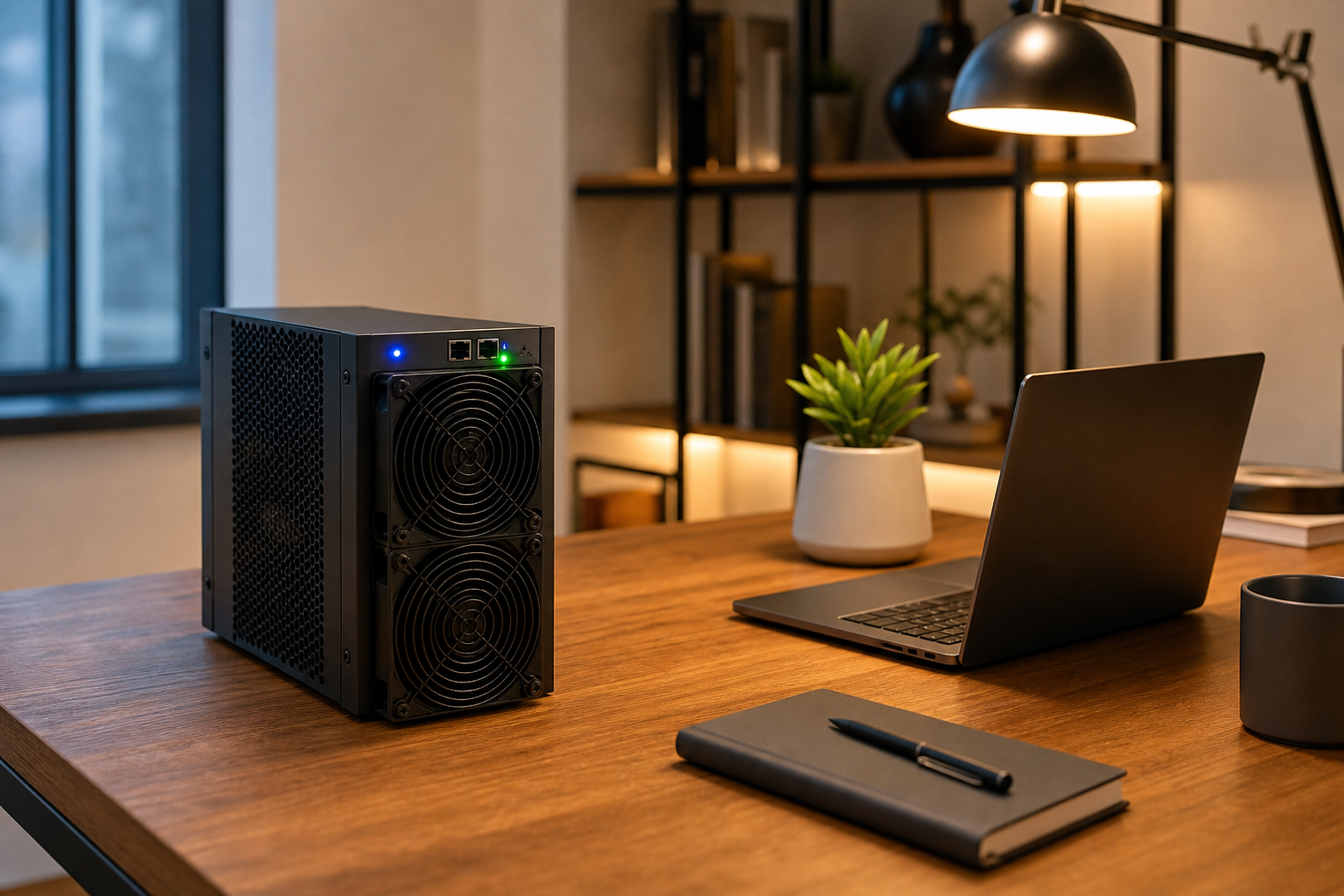
Bitcoin mining hat sich in den letzten Jahren deutlich verändert. Im Jahr 2026 macht eine neue Generation kompakter, geräuscharmer ASIC Miner es tatsächlich praktisch, Bitcoin aus einer Wohnung, einem Home-Office oder einer Garage zu minen, ohne Ihre Haushalte oder Nachbarn zu stören.
Ein leiser Home Bitcoin Miner ist ein Gerät, das Bitcoin bei einem niedrigeren Geräuschpegel minet als industrielle Rack Miner, normalerweise durch den Verzicht auf maximale Hashrate zugunsten einer niedrigeren Lüfterdrehzahl, einem geringeren Stromverbrauch und einer einfacheren Platzierung in einem Home-Office oder einem Hauswirtschaftsraum.
Ein leiser Home Bitcoin Miner ist ein speziell entwickeltes ASIC-Gerät, das reduzierte Schallemissionen priorisiert — typischerweise unter 50 dB — und gleichzeitig einen überschaubaren Stromverbrauch aufweist, was es für häusliche Stromkreise und Wohnumgebungen geeignet macht. Nach akustischen Engineering-Standards entspricht 50 dB ungefähr einem ruhigen Gespräch; im Gegensatz dazu können industrielle Rack Miner über 75 dB hinausgehen, vergleichbar mit einem kontinuierlich laufenden Staubsauger. Auf Heimbetrieb ausgelegte Geräte erreichen niedrigere Geräuschpegel durch langsamere, größere Lüfter, semi-passive Kühlung oder immersion-ready Designs.
Mehr Europäer entdecken Hobby Mining als Schutz gegen Inflation, als Möglichkeit, passiv Satoshis zu sammeln, oder einfach als technisch befriedigendes Projekt. Mineshop.eu beliefert europäische Miner seit 2016 mit echter ASIC-Hardware und schnellem DHL/FedEx-Versand in alle EU-Länder; die meisten Bestellungen werden aus Irland und Lettland versandt.
Wichtige Faktoren im Überblick: Lärm vs. Effizienz
1. Lärmpegel (dB)
Dezibel werden auf einer logarithmischen Skala gemessen, daher repräsentiert der Unterschied zwischen 45 dB und 75 dB etwa die 1.000-fache Schalleistung. Für den Heimeinsatz sollten Sie Miners anstreben, die mit 50 dB oder weniger bewertet sind. Die realen Werte können je nach Umgebungstemperatur und Arbeitslast variieren.
2. Energieeffizienz (J/TH)
Die Energieeffizienz — ausgedrückt in Joule pro Terahash (J/TH) — zeigt, wie viel Strom der Miner pro Einheit Hashing-Arbeit verbraucht. Ein niedrigerer J/TH-Wert bedeutet mehr Hashing bei weniger Strom. Laut ASIC Miners Profitability kann der Unterschied im monatlichen Ertrag zwischen einem effizienten und einem ineffizienten Miner bei europäischen Stromtarifen selbst bei moderaten Hashrates beträchtlich sein.
3. Hashrate und thermisches Design
Eine höhere Hashrate korreliert normalerweise mit einem höheren Stromverbrauch und mehr Wärme, was eine aggressivere Kühlung und damit mehr Lärm erfordert. Miners mit größeren Kühlkörpern, Wasserkühlkreisläufen oder Semi-Immersion-Designs können mit niedrigeren Lüfterdrehzahlen betrieben werden. Für Heimanwendungen ist eine moderate Hashrate mit exzellenter Effizienz oft der bessere Kompromiss.
4. Formfaktor und Anforderungen an den Stromkreis
Ein Heim-Miner sollte an einen standardmäßigen häuslichen Stromkreis angeschlossen werden. Die meisten europäischen Haushalte nutzen 230-V-Wechselstromkreise mit 16-A- oder 32-A-Schutzschaltern. Ein Miner, der weniger als 1.500 W an einem dedizierten Stromkreis zieht, lässt sich in der Regel unkompliziert und sicher installieren.
Sie können die aktuelle Auswahl an Heim-Minern bei Mineshop.eu durchsuchen, um die verfügbaren Modelle zu vergleichen, und die Kategorie der Mini Bitcoin Miner listet speziell kompakte, geräuschärmere Geräte, die für den Wohngebrauch geeignet sind.
Top leise ASIC Miner für den Heimgebrauch (2026)
Die folgende Tabelle vergleicht Kategorien von heimgeeigneten ASIC Minern. Wichtiger Hinweis: genaue Dezibel-Werte, Hashrate-Angaben und Stromverbrauchswerte variieren je nach Firmware-Version und Betriebsmodus. Überprüfen Sie aktuelle Spezifikationen immer direkt im Mineshop.eu ASIC Miner Katalog vor dem Kauf, da Lagerbestand und Modelle regelmäßig aktualisiert werden.
| Miner-Kategorie | Typische Lautstärke | Typische Leistungsaufnahme | Am besten für |
|---|---|---|---|
| Kompakter Heim-ASIC (Mini-Format Bitcoin Miner) | 35–50 dB | Unter 1.000 W | Schlafzimmer oder Home-Office, Anfänger |
| Mittelklasse effizienter ASIC (aktuelle Generation Heimgeräte) | 50–65 dB | 1.000–2.500 W | Garage, Abstellraum, dedizierter Raum |
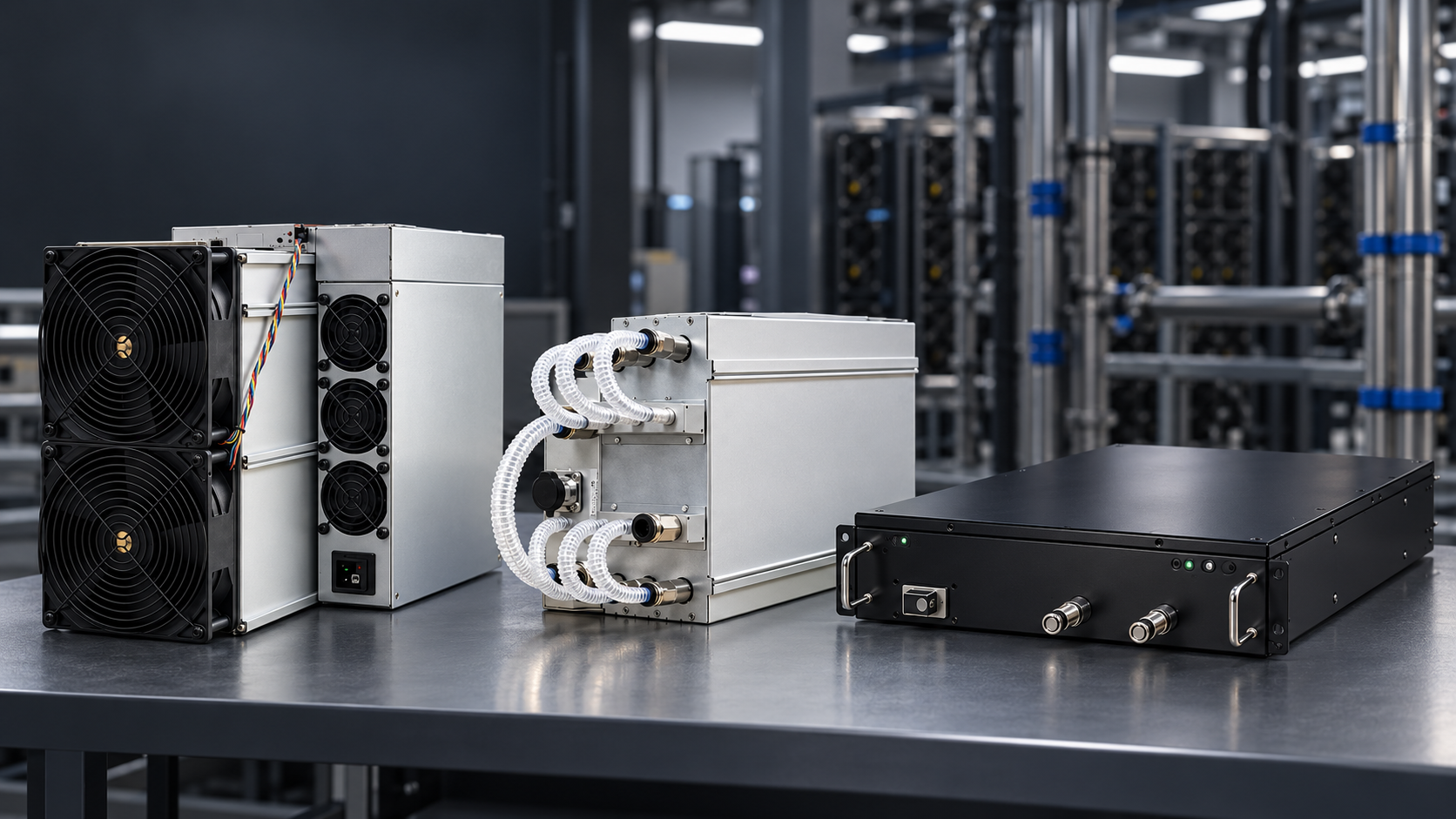
| Hydro / flüssigkeitsgekühlter ASIC | Unter 45 dB | 2.000–4.000 W | Leise Raumaufbauten mit Wasserkühlungs-Infrastruktur |
| Semi-passiver / niedrig-verbrauch Hobby-Miner | Unter 40 dB | Unter 500 W | Solo-Mining-Experimente, Lernen, Anhäufen kleiner Mengen |
Tipp: Verifizieren Sie alle aktuellen Modellspezifikationen, Verfügbarkeiten und Preise auf Mineshop.eu vor der Bestellung. Der ASIC-Markt entwickelt sich schnell und neue Modelle werden das ganze Jahr über eingeführt.
So richten Sie eine leise Mining-Station zu Hause ein
Auch der leiseste ASIC-Miner erzeugt etwas Lärm und Wärme. Eine durchdachte Einrichtung macht den Unterschied zwischen einem angenehmen Hobby und einem häuslichen Streit.
Wählen Sie den richtigen Raum
Hauswirtschaftsräume, Flure, Keller oder Garagen sind ideal. Harte Böden reflektieren Schall; Teppich und weiche Einrichtungsgegenstände absorbieren ihn. Vermeiden Sie es, Miner in Räumen aufzustellen, in denen Sie schlafen oder lange Zeit verbringen.
Verwenden Sie einen dedizierten Stromkreis
Lassen Sie von einem qualifizierten Elektriker einen dedizierten Stromkreis für Ihren Miner installieren. Dies schützt die Verkabelung Ihres Hauses, reduziert das Risiko, dass gemeinsame Sicherungen auslösen, und ist oft erforderlich, wenn der Betrieb kontinuierlich über 500 W liegt.
Fügen Sie einfache Schalldämmung hinzu
- Platzieren Sie den Miner auf einer Gummianti-Vibrationsmatte, um strukturelle Vibrationsgeräusche zu reduzieren.
- Bauen oder kaufen Sie ein belüftetes Gehäuse aus Holz, das mit Akustikschaum ausgekleidet ist — sorgen Sie für ausreichende Luftzirkulation, oder fügen Sie einen leisen Kanalfan hinzu, um die Kühlung aufrechtzuerhalten.
- Leiten Sie die Abluftströmung aus Wohnbereichen weg, idealerweise indem Sie warme Luft nach draußen oder in einen angrenzenden unbewohnten Bereich leiten.
Temperatur überwachen
Reduzierte Luftzirkulation durch Schalldämmung kann die Betriebstemperaturen erhöhen. Verwenden Sie die integrierte Weboberfläche des Miners, um die Chiptemperaturen zu überwachen. Die meisten modernen ASICs drosseln oder schalten sich bei Überhitzung sicher ab, aber dauerhaft hohe Temperaturen verkürzen die Lebensdauer der Hardware.
Wählen Sie Pool- oder Solo-Mining
Mit einem einzelnen Heim-Miner bringt der Beitritt zu einem Mining-Pool kleine, regelmäßige Auszahlungen proportional zu Ihrer Hashrate. Wenn Sie den Lotterie-Stil-Ansatz bevorzugen, verwenden Sie den Solo Blocks-Rechner, um Ihre statistischen Chancen zu schätzen, solo einen Block zu finden. (Quelle: soloblocks.io/calculator — Wahrscheinlichkeitsschätzungen basieren auf der aktuellen Netzwerkschwierigkeit und Ihrer Hashrate.)
Berechnung Ihrer Home-Mining-Profitabilität
Die Profitabilität für einen leisen Home Bitcoin Miner in Europa hängt von drei Variablen ab: Ihren Stromkosten pro kWh, dem aktuellen Bitcoin-Preis und der Netzwerkschwierigkeit. Im Jahr 2026 bleiben die europäischen Strompreise für Privathaushalte weltweit weiterhin zu den höchsten, was die Effizienz zum wichtigsten Faktor in Ihrer Kaufentscheidung macht.
Laut ASIC Miners Profitability können Sie Ihr spezifisches Szenario modellieren, indem Sie die Hashrate, den Stromverbrauch und den lokalen Stromtarif Ihres Miners eingeben, um die geschätzten täglichen und monatlichen Renditen nach Stromkosten zu sehen.
Ein realistischer Ansatz für europäische Home-Miner:
- Festlegen eines Break-Even-Strompreises: Berechnen Sie die maximalen Stromkosten, bei denen Ihr gewählter Miner vor dem Kauf noch profitabel bleibt.
- Hardwarekosten einbeziehen: Teilen Sie den Kaufpreis durch den geschätzten monatlichen Profit, um Ihre Amortisationszeit zu erhalten. Längere Amortisationszeiten bergen ein höheres Preis- und Schwierigkeitsrisiko.
- Anstieg der Schwierigkeit einbeziehen: Die Bitcoin-Netzwerkschwierigkeit steigt tendenziell im Laufe der Zeit an. Konservative Schätzungen sollten von jährlichen Schwierigkeitsanstiegen von 5–15% ausgehen.
- Wärme als Vorteil betrachten: In den kälteren Monaten kann die Abwärme Ihres Miners Heizkosten für Ihr Zuhause ausgleichen und die Nettostromkosten für das Mining effektiv reduzieren.
Home-Mining im Jahr 2026 wird am besten als langfristiges Hobby mit einer bescheidenen, kontinuierlichen Bitcoin-Akkumulation angegangen — und mit der Zufriedenheit, selbst geschürfte Coins zu besitzen.
Häufig gestellte Fragen
Was macht einen Bitcoin Miner leise genug für die Nutzung zu Hause?
Ein Miner gilt im Allgemeinen als haushaltsfreundlich, wenn seine Geräuschentwicklung bei einem Meter Entfernung unter 50 dB liegt — etwa vergleichbar mit einem ruhigen Gespräch oder einer Bibliotheksumgebung. Miner erreichen dies durch größere, langsamer drehende Lüfter, Flüssigkeits- oder Hydrokühlsysteme, größere Kühlkörper-Oberflächen oder semi-passive thermische Designs. Kompakte Miner mit geringerer Leistungsaufnahme erzeugen weniger Wärme und benötigen daher weniger aggressive Kühlung.
Wie viel Strom verbraucht ein leiser Heim-Bitcoin-Miner?
Der Stromverbrauch variiert je nach Modell und Betriebsmodus. Kompakte Heim-Miner ziehen typischerweise zwischen 200 W und 1.500 W. Der durchgehende Betrieb eines 1.000-W-Miners über einen ganzen Monat verbraucht etwa 720 kWh. Bei einem europäischen Haushaltsstromtarif von €0,25–€0,35 pro kWh entspricht das grob €180–€252 an Stromkosten pro Monat. Überprüfen Sie vor dem Kauf immer die genaue Wattzahl Ihres gewählten Modells.
Kann ich 2026 zu Hause profitabel Bitcoin minen?
Ja, aber die Rentabilität hängt von Ihrem Stromtarif, der Effizienz Ihres gewählten Miners und dem Bitcoin-Preis ab. In Europa ist die Wahl eines hocheffizienten Miners mit niedriger J/TH-Bewertung unerlässlich. Nutzen Sie Tools wie ASIC Miners Profitability, um Ihr spezifisches Szenario zu modellieren. Die Nutzung der Abwärme als Heizungsersatz im Winter kann die Gesamtwirtschaftlichkeit ebenfalls verbessern.
Wo kann ich in Europa einen leisen Heim-Bitcoin-Miner kaufen?
Mineshop.eu führt eine kuratierte Auswahl an haushaltskompatiblen ASIC-Minern mit DHL- und FedEx-Lieferung in alle EU-Länder; die meisten Bestellungen werden aus Irland und Lettland versandt. Durchstöbern Sie die mini Bitcoin miners Auswahl für kompakte Optionen mit geringem Geräuschpegel oder die umfassendere home miner category für eine vollständige Auswahl an Haushalts-Hardware.
Comments (0)