



Los Mejores Mini Mineros de Bitcoin en 2026: Pequeños, Silenciosos y Rentables
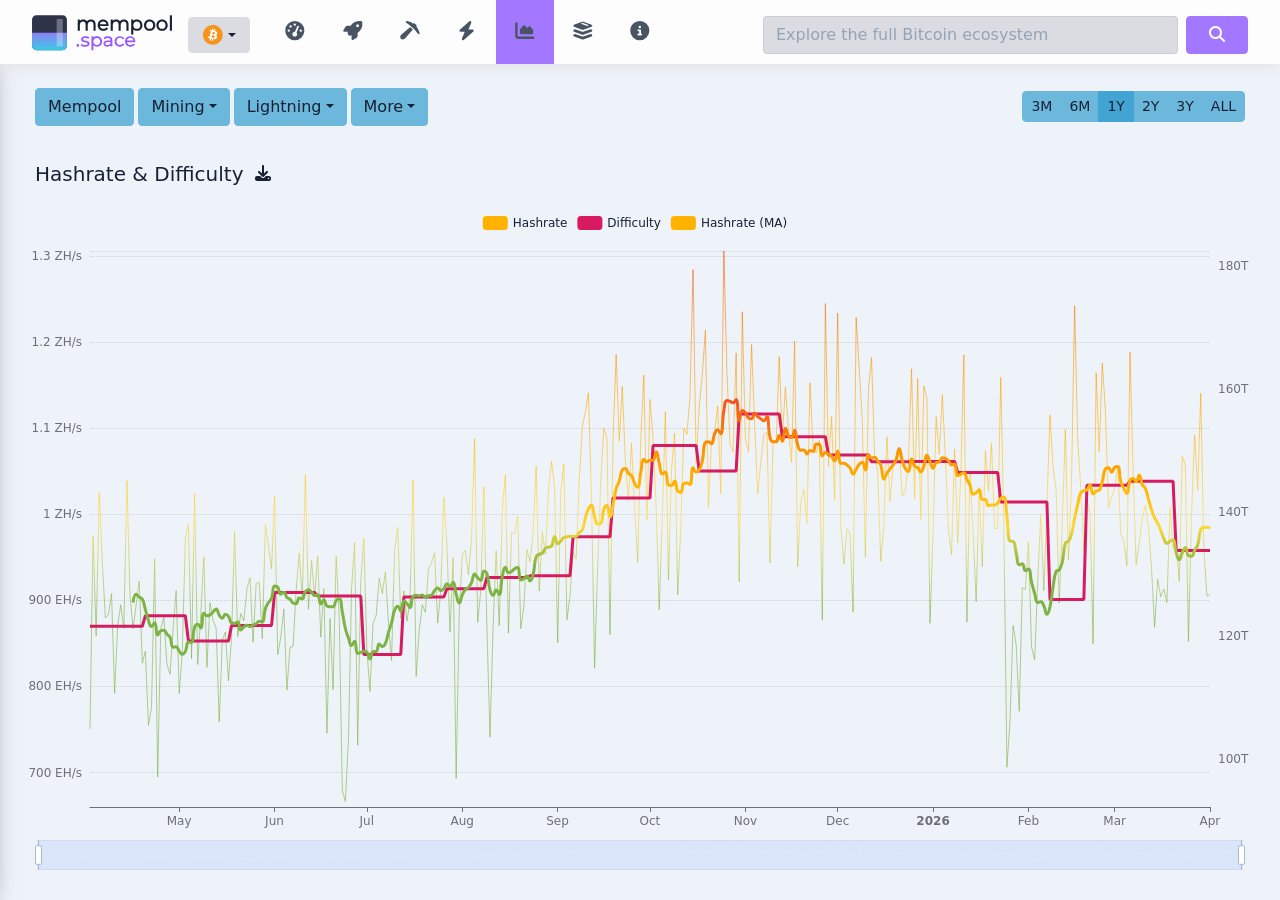
La mayoría de los mineros domésticos en Europa están perdiendo dinero ahora mismo — no porque la minería haya muerto, sino porque compraron la máquina equivocada con la tarifa eléctrica equivocada. El halving de abril de 2024 redujo la recompensa por bloque a 3,125 BTC, el hashrate de la red supera los 800 EH/s, y si tu electricidad cuesta €0,25/kWh o más, un ASIC ruidoso e ineficiente en tu habitación libre es esencialmente un calefactor con una cartera adjunta. Las matemáticas son implacables.
Pero la categoría de mini mineros de Bitcoin — ASICs compactos de bajo consumo diseñados para uso doméstico — ha mejorado genuinamente de cara a 2026. No son juguetes. Los mejores ofrecen cifras de eficiencia reales, niveles de ruido aceptables y rentabilidad real a las tarifas eléctricas europeas, siempre que tengas expectativas precisas. Esta guía te las proporciona.
Qué Abarcamos
- Qué es realmente un mini minero de Bitcoin (y qué no es)
- Los mejores mini mineros de Bitcoin de 2026 comparados
- La realidad de la electricidad para los mineros europeos
- Minería en solitario vs minería en pool con un ASIC compacto
- Qué buscar realmente antes de comprar
- Qué minero tiene sentido para tu situación
- Preguntas Frecuentes
Qué es Realmente un Mini Minero de Bitcoin
Un mini minero de Bitcoin es un dispositivo ASIC compacto que realiza el hashing SHA-256 de prueba de trabajo, con un consumo típico inferior a 500W, diseñado para entornos residenciales u oficinas domésticas donde el ruido, el calor y la capacidad del circuito son limitaciones. Las mejores unidades en 2026 alcanzan cifras de eficiencia por debajo de 25 J/TH — un número que importa enormemente cuando tu factura de electricidad ya es elevada.
No son máquinas de la serie Antminer S. No obtendrás más de 200 TH/s de una caja del tamaño de un router. Lo que obtienes es una máquina que se conecta a un enchufe estándar de pared, no requiere refrigeración industrial y no te hará perder el alquiler. Esa compensación es exactamente el propósito.
Conviene saber antes de comprar: el término «mini minero» abarca una gama sorprendentemente amplia de dispositivos, desde ASICs compactos serios que consumen 300W hasta unidades BitAxe de aficionado que consumen menos de 20W. No son productos comparables y no deben evaluarse con la misma escala.
Los Mejores Mini Mineros de Bitcoin de 2026 Comparados
Aquí están las opciones destacadas que vale la pena considerar de los mini mineros de Bitcoin disponibles en 2026. Estas son máquinas que realmente tenemos en stock y enviamos a clientes de toda Europa — no una lista elaborada a partir de notas de prensa.
| Minero | Hashrate | Consumo | Eficiencia | Ruido | Ingresos Mensuales Est.* |
|---|---|---|---|---|---|
| Bitmain Antminer S23 Hyd 3U | 580 TH/s | ~5.400W | 9,3 J/TH | Casi silencioso (hidro) | Ver nota |
| Goldshell AE Box Pro | 44 MH/s (ALEO) | ~350W | ~8 J/MH | Bajo (~45 dB) | Varía con el precio de ALEO |
| Pinecone Matches INIBOX | INI compacto | Bajo consumo | Optimizado para el hogar | Muy bajo | Nivel de entrada |
| Bitmain Antminer X9 (XMR) | Optimizado RandomX | ~1.500W | Alta para XMR | Moderado | Depende del precio de XMR |
*Las estimaciones de ingresos dependen del precio de BTC/XMR/ALEO, las comisiones del pool y tu tarifa eléctrica. Todas las cifras se basan en las condiciones de la red a partir del primer trimestre de 2026. (Fuente: asicminersprofitability.com, 2026)
Una nota importante sobre el S23 Hyd 3U: es una máquina refrigerada por agua que consume más de 5.000W, lo que la sitúa fuera de la categoría «se conecta a la pared» para la mayoría de los hogares. Tiene su lugar aquí porque su eficiencia de 9,3 J/TH es excepcional y su funcionamiento casi silencioso la hace genuinamente viable para el hogar — si tienes la instalación eléctrica adecuada. La mayoría de los principiantes no la tienen. (Fuente: Bitmain.com, 2026)
La Realidad de la Electricidad para los Mineros Europeos
Supongamos que vives en Alemania y pagas €0,28/kWh. Esa es la media para los clientes residenciales alemanes según Eurostat en el cuarto trimestre de 2025. Un minero doméstico de 350W funcionando las 24 horas del día, los 7 días de la semana, te cuesta aproximadamente €73/mes solo en electricidad. Con la dificultad de red actual en torno a los 115 billones y un precio del BTC de aproximadamente 68.401 $, los rendimientos de ese hashrate son modestos. Márgenes ajustados. No cero — pero ajustados.
Cámbiate a Letonia a €0,18/kWh y la misma máquina cuesta €45/mes en funcionamiento. Esa diferencia — €28/mes — parece pequeña hasta que la multiplicas a lo largo de un año. Son €336 anuales de vuelta a tu bolsillo, solo por geografía.
Sinceramente, eso no son buenas noticias para los mineros en Bélgica, Dinamarca o Austria, donde las tarifas residenciales superan regularmente €0,30/kWh. Para esos clientes, la respuesta honesta es que los mini mineros de Bitcoin funcionan mejor como una apuesta a largo plazo en la apreciación del precio del BTC, no como una fuente de ingresos mensuales fiable. Quien te diga lo contrario te está vendiendo algo.
Los mineros que están prosperando discretamente en 2026 son los que están en España, Polonia y Rumanía — con tarifas por debajo de €0,20/kWh — usando máquinas compactas eficientes y tratando la operación como una estrategia de DCA (promedio del coste en dólares) en lugar de un salario. Ese cambio de perspectiva importa.
Minería en Solitario vs Minería en Pool con un ASIC Compacto
La minería en pool es la recomendación por defecto, y con buena razón: los pequeños pagos constantes superan la varianza de cero-o-jackpot para la mayoría de las personas. Pero el consejo contraintuitivo que la mayoría de las guías omite — y es desesperante que lo hagan — es que la minería en solitario con un mini minero de bajo hashrate no es realmente irracional si entiendes las probabilidades con claridad.
A 400 TH/s, la probabilidad de encontrar un bloque en solitario (que vale 3,125 BTC a los precios actuales, aproximadamente €290.000 o más) es aproximadamente un bloque cada 1.800 años o más. Calcula tus propios números en una calculadora de probabilidad de minería en solitario antes de comprometerte con esa estrategia. Las matemáticas son humillantes. Para los mini mineros de Bitcoin en 2026, la minería en pool es casi siempre la decisión correcta, a menos que lo estés ejecutando como un billete de lotería puro y aceptes plenamente ese enfoque.
Únete a un pool de buena reputación con comisiones bajas — 1% o menos — y un método de pago que se adapte a tus preferencias de flujo de caja. FPPS (Full Pay Per Share) es generalmente el más predecible para los mineros domésticos.
Qué Buscar Realmente Antes de Comprar
Eficiencia primero, hashrate segundo
El mayor error que cometen los principiantes es perseguir cifras de hashrate sin comprobar la figura J/TH. En nuestra experiencia enviando a clientes en los 27 países de la UE, el mayor error que cometen los principiantes es comprar una máquina de alto hashrate que consume el doble de energía que una unidad más eficiente — y luego preguntarse por qué la factura de electricidad se comió todo el beneficio. La eficiencia determina tu coste de funcionamiento. El hashrate determina tus ingresos. Necesitas ambas cifras para calcular si la máquina se paga sola.
El ruido no es negociable si vives con otras personas
Un ASIC estándar refrigerado por ventilador funciona a 65–75 dB. Eso es comparable a un aspirador — funcionando continuamente, en tu hogar, indefinidamente. Los diseños refrigerados por agua y semipasivos como los de Goldshell existen precisamente para resolver este problema. Si el ruido te importa, debe ser un filtro, no una reflexión posterior.
Comprueba tu circuito antes de comprobar el precio
Un minero de 1.500W en un circuito de 10A con otros electrodomésticos es un cortacircuitos esperando ocurrir. En las viviendas europeas más antiguas — especialmente en Francia, Italia y gran parte de Europa del Este — el cableado residencial puede ser una limitación real. Conoce la capacidad de tu circuito antes de pedir cualquier cosa por encima de 500W.
Mineshop.eu lleva suministrando a los mineros europeos hardware ASIC genuino desde 2016, con entrega rápida mediante DHL/FedEx a todos los países de la UE. La mayoría de los pedidos se envían desde Irlanda y Letonia.
Explora la categoría completa de mineros domésticos para filtrar por vataje y algoritmo — es la forma más rápida de ver qué se adapta a tu configuración sin tener que revisar máquinas de nivel industrial.
Qué Minero Tiene Sentido para Tu Situación
Si tu electricidad está por debajo de €0,20/kWh y quieres minar Bitcoin específicamente, una máquina compacta pero capaz es una apuesta razonable a largo plazo — especialmente si crees que el precio del BTC será más alto en tres años que hoy. Las matemáticas se ajustan considerablemente por encima de €0,22/kWh, y por encima de €0,28/kWh esencialmente estás pagando para acumular BTC con prima frente a simplemente comprarlo directamente.
Si quieres un minero doméstico genuinamente silencioso y estás abierto a algoritmos alternativos, el Goldshell AE Box Pro orientado a la red ALEO es una de las opciones compactas más interesantes ahora mismo — bajo ruido, eficiencia razonable y una red más joven donde un hashrate menor todavía tiene peso. Un perfil de riesgo diferente al de BTC, pero vale la pena conocer que existe la opción.
Los mini mineros de Bitcoin de 2026 no son magia. Son máquinas pequeñas con limitaciones reales y costes operativos reales. Pero para la configuración doméstica adecuada, con la tarifa eléctrica correcta y las expectativas apropiadas — funcionan.
Preguntas Frecuentes
¿Son rentables los mini mineros de Bitcoin en 2026?
R: La rentabilidad depende casi exclusivamente de tu tarifa eléctrica. A €0,20/kWh o menos, los mineros compactos eficientes pueden generar un retorno positivo, especialmente si el precio del BTC se mantiene por encima de los 60.000 $. A €0,28/kWh o más — la media en Alemania según Eurostat en el cuarto trimestre de 2025 — los márgenes son muy ajustados. Usa una calculadora de rentabilidad con tu tarifa eléctrica real antes de comprar cualquier cosa.
¿Cuál es el mejor mini minero de Bitcoin para uso doméstico en Europa?
R: Para la minería de Bitcoin pura con poco ruido, las opciones compactas refrigeradas por agua son actualmente la mejor opción para entornos domésticos. Para una minería doméstica más amplia que incluya algoritmos alternativos, el Goldshell AE Box Pro a 44 MH/s en ALEO con un consumo de aproximadamente 350W es un serio candidato para configuraciones domésticas de bajo ruido. Consulta la gama completa de mini mineros de Bitcoin para ver el stock y las especificaciones actuales.
¿Cuánta electricidad consume un mini minero de Bitcoin?
R: Varía significativamente. Los dispositivos de nivel de entrada para aficionados como las unidades BitAxe consumen menos de 20W. Los mineros domésticos compactos de gama media consumen típicamente entre 300 y 500W. Las unidades más capaces pueden alcanzar los 1.500W o más. A 400W funcionando las 24 horas del día, los 7 días de la semana, consumes aproximadamente 288 kWh al mes — aproximadamente entre €58 y €86 dependiendo de si pagas €0,20 o €0,30/kWh.
¿Puedo minar Bitcoin con un mini minero y aun así encontrar un bloque?
R: Técnicamente sí, pero la probabilidad es extremadamente baja. Con el hashrate de la red por encima de los 800 EH/s y un mini minero que contribuye quizás 400 TH/s, la probabilidad estadística de encontrar un bloque en solitario es aproximadamente una vez cada 1.800 años o más. La minería en pool te da pagos diarios proporcionales en su lugar. Consulta la calculadora de probabilidad de minería en solitario para ver tus probabilidades específicas.
¿Qué nivel de ruido debo esperar de un ASIC doméstico?
R: Los ASIC estándar refrigerados por ventilador funcionan a 65–75 dB — similar a un aspirador ruidoso, de forma continua. Las unidades refrigeradas por agua como el Antminer S23 Hyd 3U son casi silenciosas en comparación. Los mineros domésticos dedicados de Goldshell funcionan típicamente alrededor de 40–50 dB, lo cual es tolerable en una oficina doméstica o habitación libre. Si el ruido es una limitación estricta, filtra específicamente por diseños de refrigeración hidráulica o semipasiva.
¿Es legal minar Bitcoin en casa en Europa?
R: Sí, la minería de Bitcoin es legal en todos los estados miembros de la UE a partir de 2026. Estás obligado a declarar los ingresos de la minería a efectos fiscales en la mayoría de las jurisdicciones — los detalles varían según el país. Algunos países lo tratan como ingresos en el momento de recepción; otros aplican normas de ganancias de capital en el momento de la venta. Consulta a un asesor fiscal local familiarizado con las criptomonedas para conocer el tratamiento específico de tu país.
¿Listo para encontrar la máquina adecuada para tu configuración doméstica? Explora la gama completa de mini mineros de Bitcoin en Mineshop.eu — stock en almacén de la UE, entrega rápida por DHL/FedEx y un equipo que lleva haciendo esto desde 2016. O explora el catálogo completo de ASIC miners si quieres comparar opciones compactas con máquinas de tamaño completo antes de decidir.
Comments (0)