



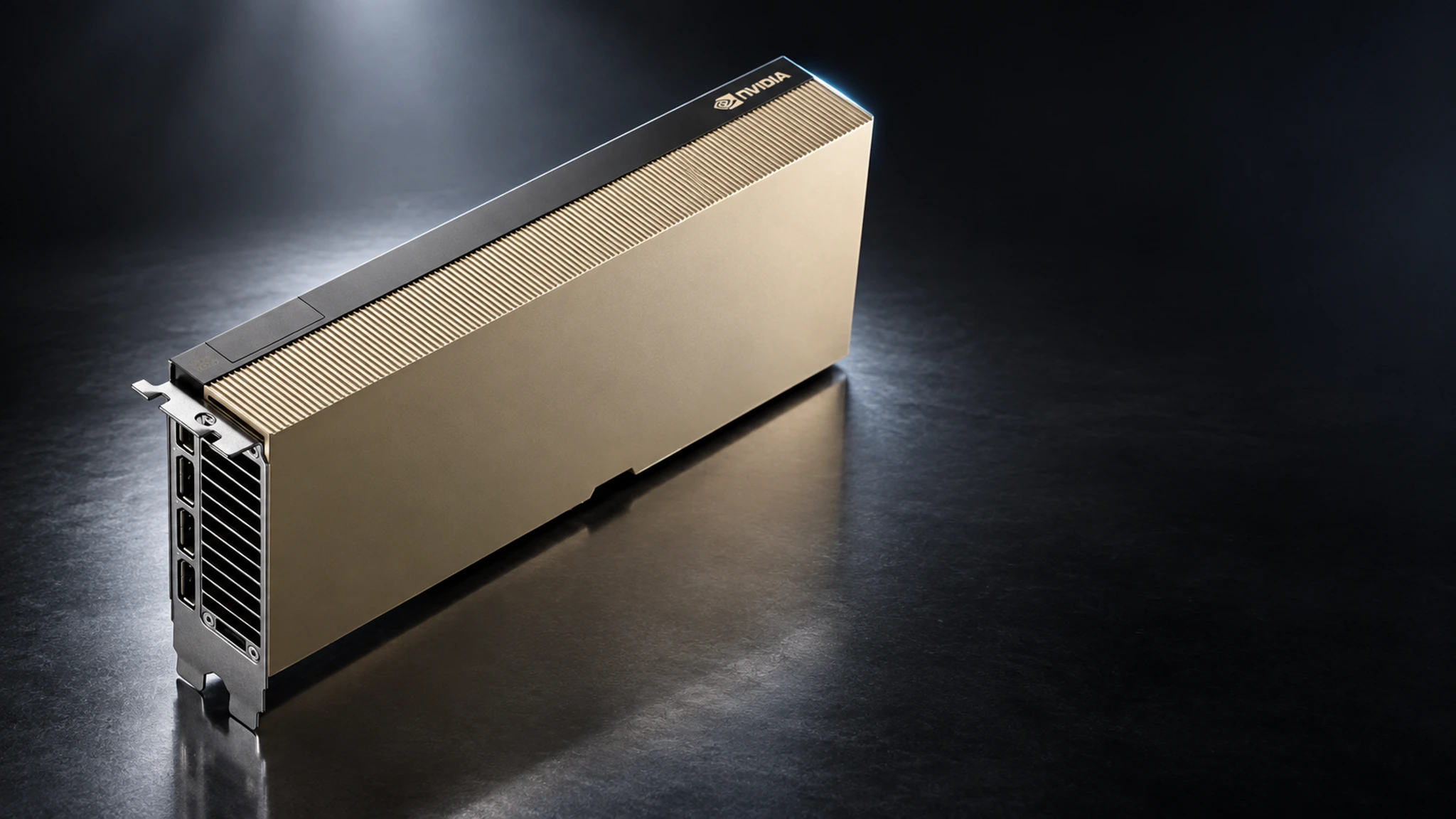
The NVIDIA DGX Station is NVIDIA's appliance-grade AI computer — integrated, certified and priced accordingly. It is also the reference point every buyer compares against when speccing a serious local AI machine. This tag covers DGX Station realistically: what you get, what it costs, and how a well-chosen workstation of GPU components compares.
What DGX Station actually is
DGX Station packs NVIDIA's data-centre GPUs, a certified platform and NVIDIA AI software into a deskside appliance. The current GB300 generation (and its Grace-Blackwell predecessors) targets organisations that want a turnkey AI box with enterprise support and no integration work. You pay for integration and certification — the question our guides answer honestly is when that premium is worth it and when it is not.
The price conversation
"DGX Station price" is one of the most-searched phrases in this space, because the sticker reliably causes a double take. Our position is straightforward: for many European teams, a self-built or integrator-built machine around the RTX PRO 6000 Blackwell Workstation Edition 96 GB delivers comparable practical AI throughput per euro, with serviceable components and normal shipping times. Compare both routes in our AI server guides and the AI workstation category.
The alternative that fits most teams
A quiet tower with one or two RTX PRO 6000s, or a rack node with the passive RTX PRO 6000D Server Edition, covers the vast majority of local AI workloads — development, inference, fine-tuning — without appliance pricing. NVIDIA's professional server GPU line brings data-centre DNA to standard platforms. Our tutorials include DGX-versus-workstation comparisons with real benchmark numbers.
A short history of deskside DGX
The DGX Station line has always been NVIDIA's statement about where serious AI can live: the original Volta-era box, the Ampere generation that popularised deskside deep learning, the Grace-Blackwell systems that fused CPU and GPU memory, and today's GB300 class. Each generation pushed the question we answer under this tag: does appliance integration beat a well-built component workstation for your workload? For most European teams we see, the RTX PRO 6000-based builds win on flexibility — but the honest comparison needs real numbers, which our reviews provide.
Who should actually buy a DGX Station
Three profiles fit: regulated organisations that need a single-vendor, certified stack with enterprise support as one SKU; research groups running NVIDIA-optimised frameworks who value the turnkey software; and teams that buy time by outsourcing integration. Everyone else — agencies, software houses, solo power users — typically gets there faster and cheaper with component hardware from our AI workstation category or the passive-cooled RTX PRO 6000D in a standard chassis. The AI server sizing guides help you place yourself honestly on that map.
The European angle
Appliance availability, import duties and service logistics in the EU add real friction to DGX ownership; component GPUs ship locally with local support. When your local LLM project has a deadline, that logistics difference is a feature. We keep comparison tables current in the tutorials hub.
DGX Station versus cloud GPUs
The third path everyone forgets: renting. Cloud GPUs offer elasticity at a price — data leaves your control, costs scale with success, and availability is someone else's problem. Owning an appliance or a component workstation inverts that: fixed cost, full data control, capacity you can touch. Our comparison framework scores all three routes on privacy, cost curve, ops burden and latency for typical European workloads — with the honest conclusion that hybrid setups (own for the base load, rent for spikes) frequently win.
Reading spec sheets like a buyer
Appliance marketing leads with peak FLOPS; buyers should lead with usable VRAM, memory bandwidth, sustained (not burst) power, service terms and delivery time. A 96 GB RTX PRO 6000 workstation and a GB300-class appliance can both claim impressive numbers while serving very different needs. We translate every line of the spec sheet into what it means for real inference and fine-tuning workloads in the guides under this tag.
Resale, refresh and the long game
Component hardware holds resale value in active secondary markets — GPUs especially — while appliances trade thinner. Refreshing a workstation means swapping one card; refreshing an appliance means a conversation with procurement. Over a five-year horizon those frictions compound into real money, which is why our total-cost guides treat hardware strategy as portfolio management, not a single purchase.
Official sources
NVIDIA's DGX Station page and the data-centre DGX page carry official specifications.
