

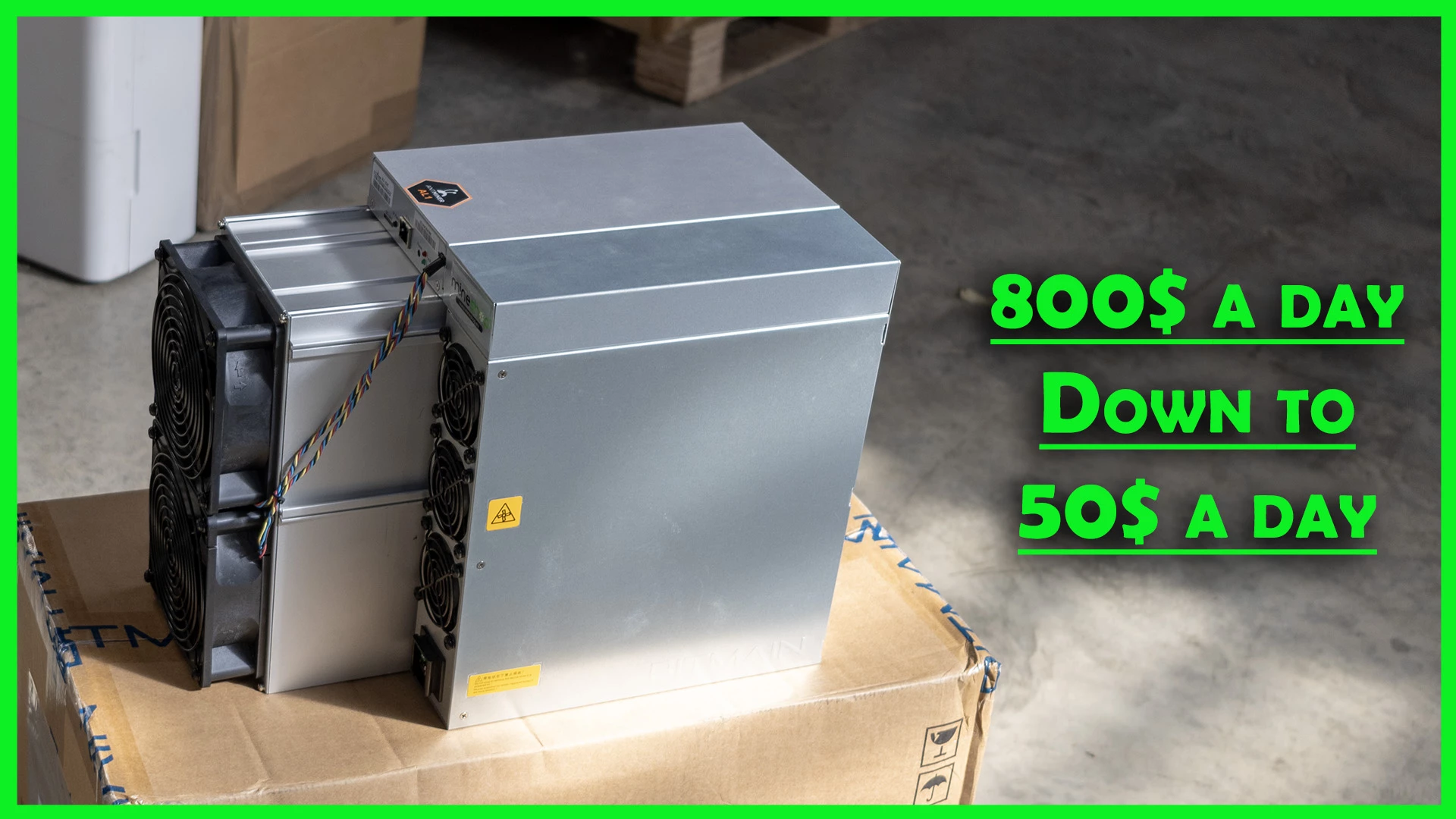
Antminer AL1 Review: Risks, Rewards, and Realities of Alephium ASIC Mining
Introduction
The Antminer AL1 is Bitmain’s entry into Alephium mining, a new and exciting prospect in the cryptocurrency space. This miner initially attracted a lot of attention, as it was touted to generate as much as $800 a day in profits. Naturally, many jumped at the opportunity, spending significant sums to secure these units. However, as with many ventures in crypto mining, things didn’t go as planned, leading to many disappointed buyers and raising a question about responsibility: Whose fault is it when an ASIC miner becomes unprofitable before it even arrives?
This post will analyze the Antminer AL1’s story, discuss the risks associated with early investments in mining equipment, and touch on the broader implications for the ASIC mining community.
The Antminer AL1: Initial Hype and the Reality
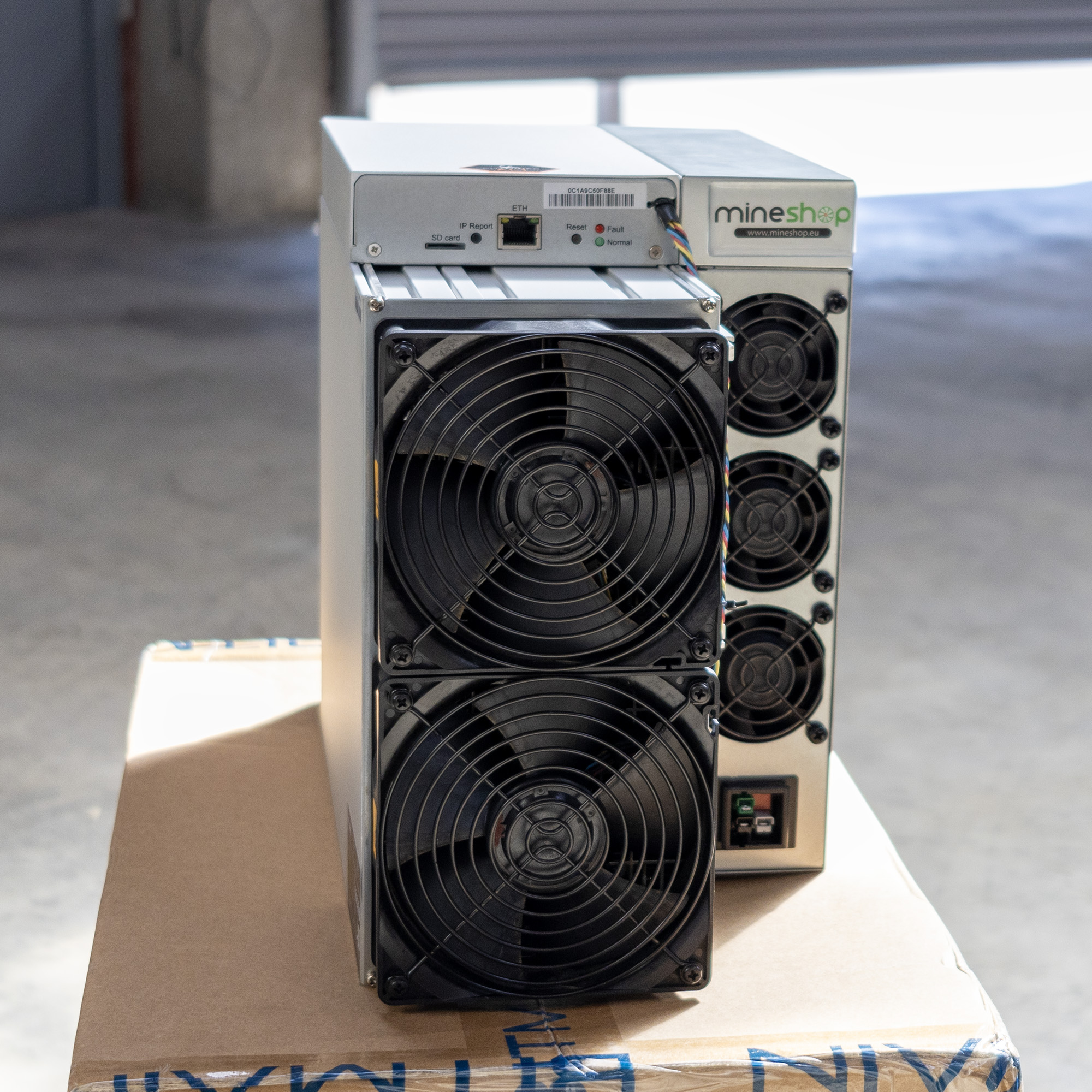
When the Antminer AL1 was first introduced, it seemed like a goldmine for anyone interested in Alephium mining. The promise of $800 daily profits was too tempting to ignore, and buyers rushed to place orders at a hefty price point of around $30,000. At that time, the miner’s specifications looked promising:
- Hashrate: 16,600 GH/s
- Power Usage: 3,510 W
- Efficiency: 0.21 W per GH/s
However, this allure was short-lived. Many in the community overlooked key risks associated with Alephium’s inflationary mechanism and its network hashrate growth. These factors, combined with the rapid influx of new miners, contributed to a significant decline in profitability almost as soon as the units began to ship.
Understanding Alephium's Inflation and Network Dynamics
Alephium is a unique blockchain with a deflationary emission curve that directly impacts mining rewards. As more mining hardware is added to the network, the rewards per miner decrease, making it essential to consider not only the initial profitability but also how this changes as more miners come online. This phenomenon became particularly problematic for Antminer AL1 buyers when Iceriver released its own line of Alephium miners, such as the AL3, which offered comparable performance at a fraction of the price.
The Impact of New Entrants: Iceriver’s Disruption
Iceriver is a serious contender in the ASIC manufacturing space. When they released their Alephium miners, they introduced models with efficiency similar to Bitmain’s Antminer AL1 but at drastically lower prices. The Iceriver AL3, for instance, offers almost the same hashrate (15,000 GH/s) but is priced at around $11,000—three times cheaper than the original AL1’s launch price.
This move by Iceriver instantly devalued the Antminer AL1. Suddenly, those who had spent $30,000 on an AL1 found themselves holding a piece of hardware worth a mere $10,000 in the secondary market. Moreover, the increased hashrate contributed to a swift decrease in network profitability, making it even harder for AL1 owners to recoup their initial investment.
Profitability: A Moving Target
To illustrate the rapid change in profitability, let’s look at the current landscape of Alephium ASIC miners:
| Model | Hashrate (GH/s) | Power Usage (W) | Price (USD) | Efficiency (W/GH/s) | Cheapest Price per GH/s |
|---|---|---|---|---|---|
| Iceriver AL0 | 400 | 100 | 1,000 | 0.25 | 2.50 |
| Antminer AL1 | 16,600 | 3,510 | 10,150 | 0.21 | 0.61 |
| Goldshell AL Box 3 | 1,250 | 600 | 900 | 0.48 | 0.72 |
| Iceriver AL3 | 15,000 | 3,500 | 11,000 | 0.23 | 0.73 |
| Iceriver AL2 Lite | 2,000 | 500 | 1,300 | 0.25 | 0.65 |
As we can see, the Antminer AL1, once a highly sought-after device, is now in a precarious position compared to its peers.
The Role of the Manufacturer: Bitmain’s Response
When Iceriver’s miners hit the market, Bitmain responded by slashing the price of the AL1 from $30,000 to around $10,000. While this move was necessary for them to remain competitive, it left early buyers feeling betrayed. Many had paid a premium price only to see their equipment’s value plummet by over 70% before they even received their shipments.
Additionally, Bitmain’s support has been lackluster, with reports of Dead on Arrival (DOA) units not being replaced promptly. For example, as of October 8th, some customers who received faulty September-batch AL1 miners are still waiting for replacements. Bitmain’s rigid refund policy has only fueled frustration, making it clear that the manufacturer is not willing to shoulder any responsibility for the financial losses their customers have incurred.
Buyer Responsibility: Understanding the Risks
The question raised by the Red Panda Mining survey—“Whose fault is it when you purchase an ASIC miner and it becomes unprofitable by the time you receive it?”—is a crucial one. With 46% of respondents indicating that they believe it’s someone else’s fault, it’s clear that many in the community do not fully grasp the risks involved.
As someone who has been involved in mining for years, I emphasized the risks in my own video about the Antminer AL1. The truth is, in the volatile world of crypto mining, potential buyers must exercise due diligence. Prices, network hashrates, and profitability can change overnight. Just because a machine is profitable today doesn’t guarantee it will be tomorrow.
Lessons for Future Investors
So, what can we learn from the Antminer AL1 saga?
-
Avoid Buying at Launch Prices: New ASIC models often come at inflated prices due to high demand and limited supply. Waiting a few months can save you thousands of dollars, as manufacturers often adjust prices in response to market conditions.
-
Research the Network: Look beyond profitability charts. Understand the blockchain’s emission rate, inflation mechanism, and the potential impact of new miners entering the market.
-
Consider the Competition: Manufacturers like Iceriver have proven they can undercut even giants like Bitmain. Keep an eye on competitors’ products and factor in how new releases could affect profitability.
-
Be Wary of Overhyping: The promise of high returns can be intoxicating, but always take profitability claims with a grain of salt. In an industry where profitability can swing wildly, having a conservative outlook will save you from making rash decisions.
Conclusion: Responsibility Lies with the Buyer
Ultimately, when you purchase a high-risk piece of hardware like the Antminer AL1, the responsibility falls squarely on you as the buyer. It’s your money, your decision, and your responsibility to assess the risks accurately. No manufacturer, Youtuber, or mining influencer should be blamed for the volatility of the crypto market.
While companies like Bitmain should do a better job at supporting their customers and being transparent, the onus remains on the buyer to research thoroughly and make informed choices. As the Alephium mining ecosystem continues to evolve, those who adapt and approach investments with caution will stand a better chance of thriving in this unpredictable space.
Related Blog
RTX PRO 6000 vs RTX PRO 6000D: Care GPU Blackwell să cumperi în 2026?
Sep 7, 2026 by Guntis Vitolins
Mineshop
RTX PRO 6000 vs RTX PRO 6000D: Kuru Blackwell GPU iegādāties 2026. gadā?
Sep 7, 2026 by Guntis Vitolins
Mineshop
RTX PRO 6000 vs RTX PRO 6000D: Który GPU Blackwell wybrać w 2026?
Sep 7, 2026 by Guntis Vitolins
Mineshop
RTX PRO 6000 vs RTX PRO 6000D: Welches Blackwell GPU kaufen Sie 2026?
Sep 7, 2026 by Guntis Vitolins
Mineshop