



How to Choose the Right Mining Pool in 2026
Your pool choice can shift your monthly Bitcoin yield by 3–8% — and almost nobody talks about this. After the April 2024 halving pushed the block reward down to 3.125 BTC and network hashrate climbed past 900 EH/s, margins for home miners got thin fast. Picking the wrong pool at that scale does not just cost you pocket change. At European electricity prices of €0.20–0.28/kWh (Eurostat, Q4 2025), it can be the difference between a marginal profit and a genuine loss.
Most mining guides spend three paragraphs explaining what a mining pool is and then recommend the same three names they recommended in 2021. That is not helpful. This guide is about how to actually choose the best mining pool in 2026 — based on fee structure, payout method, pool hashrate, and where you are mining from in Europe.
What We Cover
- What a Mining Pool Actually Is (and the Metric That Matters)
- Fee Structures: Where Your Money Quietly Disappears
- Payout Methods Compared: FPPS, PPS+, and PPLNS in Plain Terms
- Pool Size, Luck, and the Counterintuitive Truth About Smaller Pools
- What European Miners Specifically Need to Watch
- Pool Comparison Table
- So Which Pool Should You Actually Use?
- Frequently Asked Questions
What a Mining Pool Actually Is (and the Metric That Matters)
A mining pool is a cooperative group of miners that combines hashrate to find Bitcoin blocks more consistently, distributing the 3.125 BTC block reward proportionally among participants based on contributed work (shares). The key metric is not pool size alone — it is pool efficiency, meaning how much of the theoretical reward you actually receive after fees, luck variance, and payout timing.
Say you are running a Bitmain Antminer from your garage in the Netherlands, paying €0.22/kWh. Your hardware is doing its job. But if your pool runs a 2.5% fee versus a competitor at 0%, you are losing roughly €15–25/month depending on your setup. Over a year, that is €180–300 gone — for nothing. No better service. No better uptime. Just a worse fee structure you never questioned.
Fee Structures: Where Your Money Quietly Disappears
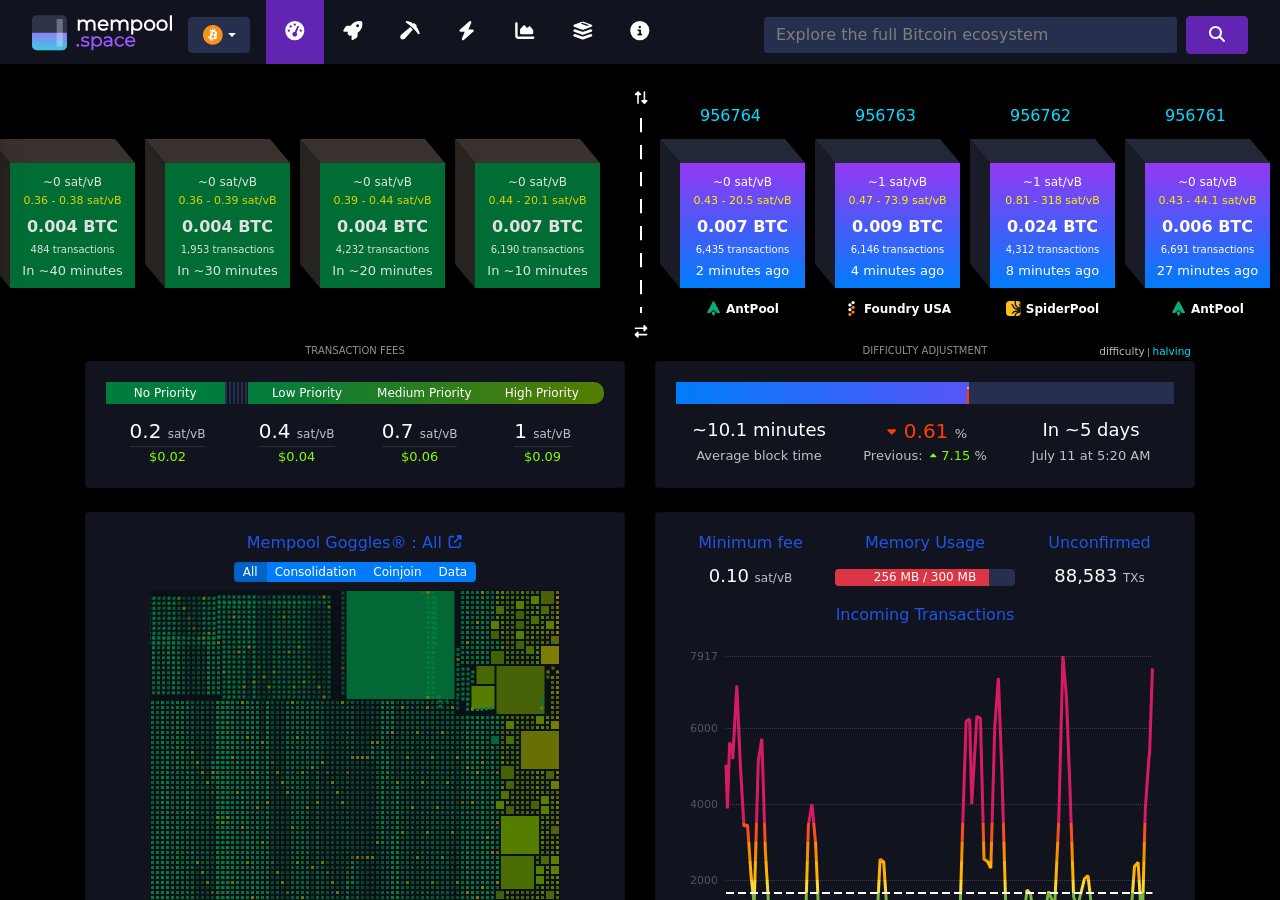
Pool fees typically run between 0% and 4%. Most major pools sit at 1–2%. That sounds minor until you do the maths at current network difficulty of around 115 trillion (as of Q1 2026, mempool.space).
Here is the honest breakdown:
- 0% fee pools — Some exist (like Solo CK Pool for solo mining). But a 0% pool often compensates through other mechanisms: tighter variance, lower payout frequency, or simply subsidised by the pool operator for other reasons. Worth knowing before you assume free means better.
- 1% fee pools — The most common tier. F2Pool, AntPool, and ViaBTC sit here. Acceptable for most home miners.
- 2–4% fee pools — Usually only justified if the pool offers something genuinely valuable in return, like FPPS+ payouts with transaction fee insurance (more on that below).
One thing most mining guides skip entirely — which is maddening — is transaction fee inclusion. Since the halving, transaction fees have become a meaningful portion of block revenue. A pool that shares transaction fees with miners (FPPS+, PPS+) can outperform a 0% fee pool that only pays on the base subsidy. Always check whether your pool pays out transaction fees.
Payout Methods Compared: FPPS, PPS+, and PPLNS in Plain Terms
PPS (Pay Per Share)
You get paid a fixed amount for every valid share you submit, regardless of whether the pool finds a block. Predictable. The pool absorbs all luck variance. Typically comes with a higher fee (2–2.5%) to compensate.
FPPS (Full Pay Per Share)
Same as PPS but includes a share of transaction fees in your payout. This matters now. With Bitcoin at approximately $62,978 USD and blocks sometimes carrying 0.3–0.8 BTC in transaction fees on top of the 3.125 BTC subsidy, FPPS can yield 5–15% more than base PPS on busy mempool days. Antpool and F2Pool both offer FPPS variants. (Source: asicminersprofitability.com, Q1 2026)
PPLNS (Pay Per Last N Shares)
Your payout depends on your proportional contribution to the last N shares before a block was found. Lower fees (often 1% or less). But there is real variance — if you join a pool mid-cycle, your first few payouts will be lower. Better for miners who run continuously, not part-time.
Honestly, for most European home miners running one to four machines, FPPS at a 1% fee is the practical winner. It smooths variance, includes transaction fees, and requires zero active management.
Pool Size, Luck, and the Counterintuitive Truth About Smaller Pools
The conventional wisdom says always join the biggest pool for the most consistent payouts. That is not wrong, but it is incomplete.
Larger pools — Foundry USA, AntPool, F2Pool — collectively control over 60% of global hashrate at current network levels around 900 EH/s. That concentration is a centralisation risk for the Bitcoin network. More practically for you as a miner: the largest pools are also frequently the highest-fee, most bureaucratic, and slowest to resolve support tickets when something goes wrong.
Mid-size pools like Braiins Pool (formerly Slush Pool, the oldest pool in existence) offer competitive FPPS payouts, a proven track record since 2010, and genuinely useful monitoring tools. For a home miner running a Whatsminer or two, Braiins is worth serious consideration.
Solo mining is another option — and not as absurd as people think for miners with higher hashrate. At 200 TH/s, your daily odds of finding a block solo are roughly 1 in 4,300. Bad odds. But some miners in Germany and Poland run small farms of 10–20 machines specifically for the lottery-style payout. Check the actual probability for your hashrate at soloblocks.io/calculator before dismissing it.
What European Miners Specifically Need to Watch
European miners face two structural disadvantages that pool choice can partially offset: high electricity costs and unfavourable tax treatment in several countries.
If your electricity in Germany runs €0.28/kWh — close to the EU average for residential users (Eurostat, Q4 2025) — then every percentage point of pool fee is amplified. At that rate, mining with outdated hardware like a first-generation SHA-256 machine is already marginal. Adding a 2.5% pool fee on top makes it worse. The pool decision compounds the hardware decision.
In our experience shipping to customers across 27 EU countries, the biggest mistake beginners make is choosing a pool based on name recognition rather than payout method. AntPool is familiar. But a home miner in Ireland or Latvia running a IceRiver miner on a secondary algorithm may find that a smaller, algorithm-specific pool pays out 6–10% better — simply because the fee structure is designed for that coin's block time and transaction volume.
Also: latency matters more than most beginners expect. A pool server based in Asia will cost you stale shares if you are mining from Central Europe. Always choose a pool with EU-based servers or at minimum a European stratum endpoint. Braiins, ViaBTC, and F2Pool all have EU stratum options. Use them.
Pool Comparison Table
| Pool | Fee | Payout Method | TX Fees Included? | EU Stratum? | Min. Payout |
|---|---|---|---|---|---|
| Braiins Pool | 2% (FPPS) / 0% (PPLNS) | FPPS / PPLNS | Yes (FPPS mode) | Yes | 0.001 BTC |
| F2Pool | 1% | FPPS+ | Yes | Yes | 0.005 BTC |
| AntPool | 0–2.5% | PPS+ / PPLNS | Yes (PPS+ mode) | Yes | 0.005 BTC |
| ViaBTC | 2% (PPS+) / 1% (PPLNS) | PPS+ / PPLNS | Yes (PPS+ mode) | Yes | 0.0001 BTC |
| Solo CK Pool | 0% (solo only) | Solo (full block) | Yes (full block) | Yes | Full block or nothing |
Sources: Pool operator websites, asicminersprofitability.com, Q1 2026. Fees and minimums subject to change — verify directly before connecting.
So Which Pool Should You Actually Use?
For most European home miners in 2026, Braiins Pool on FPPS or F2Pool at 1% FPPS+ are the two strongest defaults. Both include transaction fees, both have EU stratum endpoints, both have decade-long track records. That is the honest answer.
If you are running alternative-algorithm hardware — an IceRiver ALEO AE3 or a Goldshell AE Max — then pool choice shifts entirely to algorithm-specific options. Those coins have their own pool ecosystems, often with lower fees and better payout structures than the major Bitcoin pools. Research your coin's dedicated pool options before defaulting to a general aggregator.
Revisit your pool choice every six months. Fee structures change. Pool hashrate shifts. A pool that was optimal in early 2026 may not be by Q4. Set a reminder. Treat it like reviewing your electricity tariff — boring, but it pays.
Mineshop.eu has been supplying European miners with genuine ASIC hardware since 2016; most orders ship from Ireland and Latvia, both in the EU, with fast DHL/FedEx delivery across all EU countries. If you are still deciding on hardware before committing to a pool strategy, browse the full range at Mineshop.eu ASIC miners — and match your hardware choice to your electricity rate before anything else.
Frequently Asked Questions
What is the best mining pool for beginners in Europe in 2026?
A: For Bitcoin mining, Braiins Pool (FPPS mode) or F2Pool at 1% are the most practical starting points. Both offer EU stratum servers to reduce latency, include transaction fee payouts, and have proven uptime records. Braiins has a particularly clean dashboard that beginners find easier to read. Minimum payout at F2Pool is 0.005 BTC; at Braiins it is 0.001 BTC — relevant if you are running a single machine.
How much does pool fee actually affect my monthly earnings?
A: At current difficulty of approximately 115 trillion and Bitcoin at ~$62,978 USD, a 1% fee difference on a mid-range home miner (around 100–200 TH/s) translates to roughly €8–18/month depending on your hardware efficiency and electricity cost. Over a year, that is €100–220. Not catastrophic, but real money — especially at European electricity rates of €0.20–0.28/kWh (Eurostat, Q4 2025).
Is PPLNS or FPPS better for home miners?
A: FPPS is generally better for home miners running one to four machines. It pays a predictable daily amount including transaction fees, which removes luck variance from your monthly budgeting. PPLNS rewards miners who run continuously and long-term — the payout can be slightly higher over time, but the variance is real. If you turn machines off periodically (for noise, heat, or cost reasons), PPLNS will punish you at the start of each new cycle.
Does pool location affect mining performance?
A: Yes. Latency between your miner and the pool stratum server causes stale shares — valid work submitted too late to count. From Central or Northern Europe, a pool server in Asia can add 150–300ms of latency. At network hashrate above 900 EH/s, stale share rates above 0.5% meaningfully reduce effective yield. Always connect to the EU stratum endpoint specifically — not the global default — for pools like F2Pool, AntPool, or ViaBTC.
Can I mine Bitcoin solo as a home miner in 2026?
A: Technically yes. Practically, the odds are very long. At 200 TH/s of hashrate against a network running at ~900 EH/s, your probability of finding a solo block in any given day is approximately 1 in 4,500. Use the calculator at soloblocks.io/calculator to check your specific odds. Some miners run solo as a deliberate lottery strategy — it is not irrational, but it is high variance. The 3.125 BTC reward (~$197,000 at current prices) is life-changing if it hits.
Should I use the same pool for all my miners?
A: For Bitcoin SHA-256 machines, yes — consolidating hashrate to one pool simplifies monitoring and can improve your position in PPLNS calculations. But if you are running mixed-algorithm hardware — for example, both a Bitcoin ASIC and an IceRiver ALEO AE2 for the Aleo algorithm — you will need separate pools for each algorithm. There is no single pool that covers all ASIC algorithms with competitive fees in 2026.
Comments (0)