

Bitcoin Mining at Home in 2025: Are Mini Miners Actually Profitable?
Bitcoin Mining at Home in 2025: Are Mini Miners Actually Profitable?
You might think Bitcoin mining from home isn't practical, but here's something interesting: a small 17-watt miner like the Bitaxe Gamma gives solo miners a shot at earning 3.125 BTC (approximately $300,000) when they mine a block. Big industrial operations control most of mining today, yet we're seeing new efficient home mining equipment emerge.
The latest compact miners pack quite a punch. The Avalon Nano 3S runs quieter than your desktop PC and uses just 140 watts of power. The NerdQaxe++'s efficiency ratings hit an impressive 15 J/TH. The profit potential of these mini miners depends on several key factors.
Our analysis will get into the real-life profitability of home Bitcoin mining in 2025. We'll compare the newest equipment options and help you figure out if this growing trend makes financial sense for individual miners.
The Rise of Home Bitcoin Mining in 2025
Bitcoin mining from home is making a big comeback in 2025. Large industrial operations dominated the scene for years, but that's changing now. This isn't just about nostalgia from Bitcoin's early PC mining days - it shows a big change in how accessible mining has become and what it means today.
Why mini miners are gaining popularity
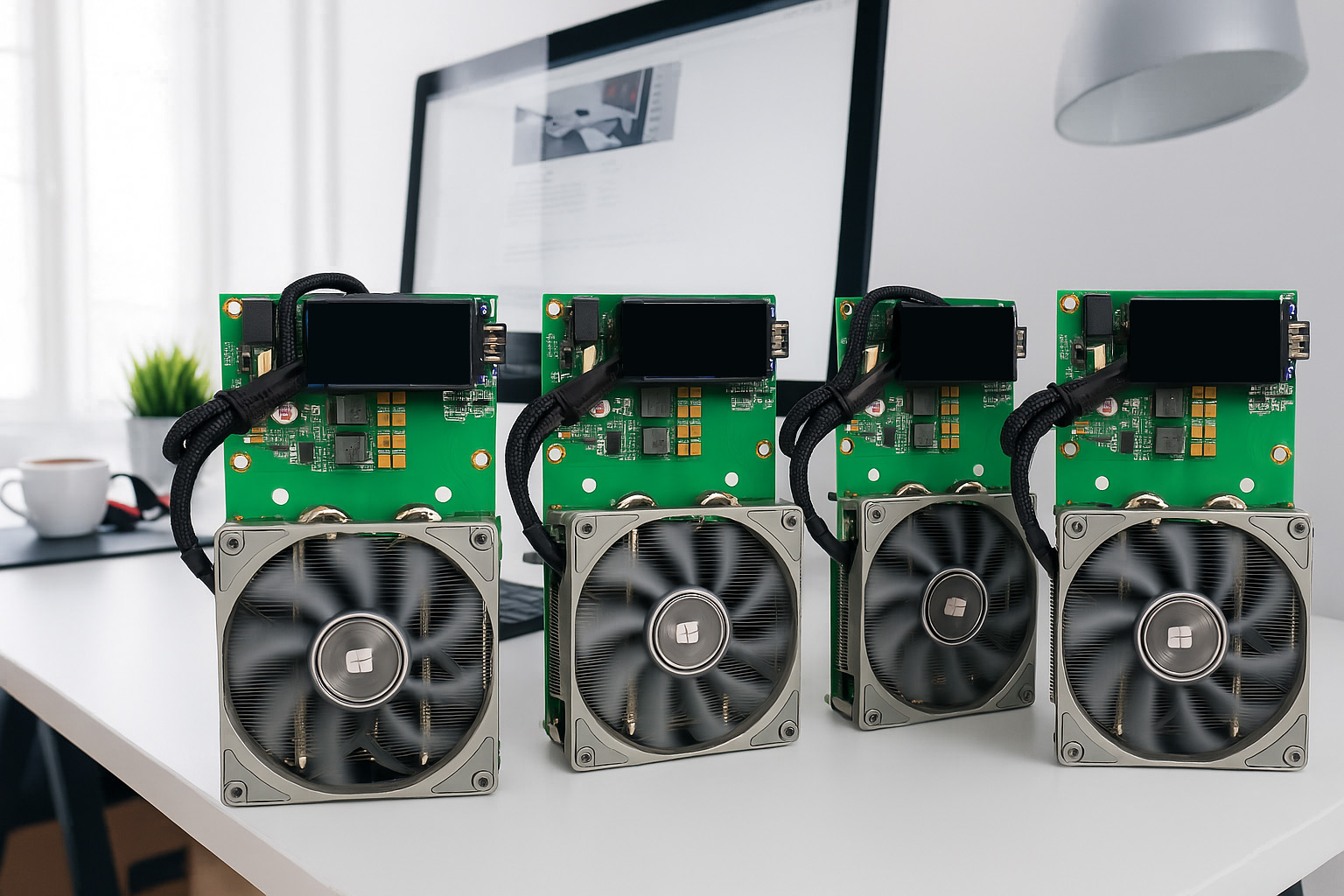
Several key developments have made compact mining devices more appealing. Modern mini miners work much better than older versions. The Bitaxe Gamma (1-1.2 TH/s, 17W) and NerdQaxe++ (4.8 TH/s, 60W) pack impressive hash rates and use very little power - which matters a lot to make money.
These devices have brought down the barriers to Bitcoin mining. You don't need a warehouse-sized facility like industrial miners do. People can start with a modest investment. This means more everyday people, not just tech enthusiasts, can help support the network.
Home miners have also found new benefits. The heat from mining equipment can warm up their homes - turning what used to be a problem into an advantage.
Key differences from industrial mining operations
Home mining looks very different from industrial operations:
-
Scale and Infrastructure: Industrial miners run thousands of ASICs in warehouses. Home miners use a few devices in their personal space.
-
Equipment: Big operations use specialized FPGA and ASIC miners. Home miners prefer smaller, more versatile units.
-
Power Requirements: Home miners deal with residential power limits and pay more per kWh. Industrial operations get better utility rates.
-
Flexibility: People mining at home have more control and can adapt quickly to market changes.
The promise of decentralization
The rise in home mining helps Bitcoin stay true to its core principle of decentralization. Having thousands of individual miners instead of a few big operations makes the network harder to control or regulate.
Home miners help decentralization by:
-
Spreading hash power across more participants
-
Making 51% attacks harder through network diversity
-
Making the network safer with mining nodes in many locations
Bitcoin Magazine points out that "mining will be geographically distributed" because energy exists naturally around the world. This means no single country or group can control the Bitcoin network - a vital protection for its future security and independence.
Small miners are expected to handle 54.6% market share of mining by 2025. This shows how important they've become to Bitcoin's future.
Top Home Bitcoin Mining Machines Compared
A Bitcoin mining device's technical specs play a crucial role in determining how profitable it can be. Let's get into four popular home Bitcoin mining machines that caught everyone's attention in 2025.
Avalon Nano 3S (6 TH/s, 140W)
The Avalon Nano 3S gives home miners a great starting point. It delivers 6 TH/s while consuming just 140W of power. This compact unit (20.5×11.5×5.85cm) weighs just 0.86kg, which makes it perfect for tight spaces. The unit runs at 33-40dB - you'll barely hear it running compared to most desktop computers.
Tests show this is a big deal as it means that some units reach 6.3 TH/s while using only 130W. The device scores an efficiency rating of 23.3 J/TH, striking a sweet spot between performance and power use.
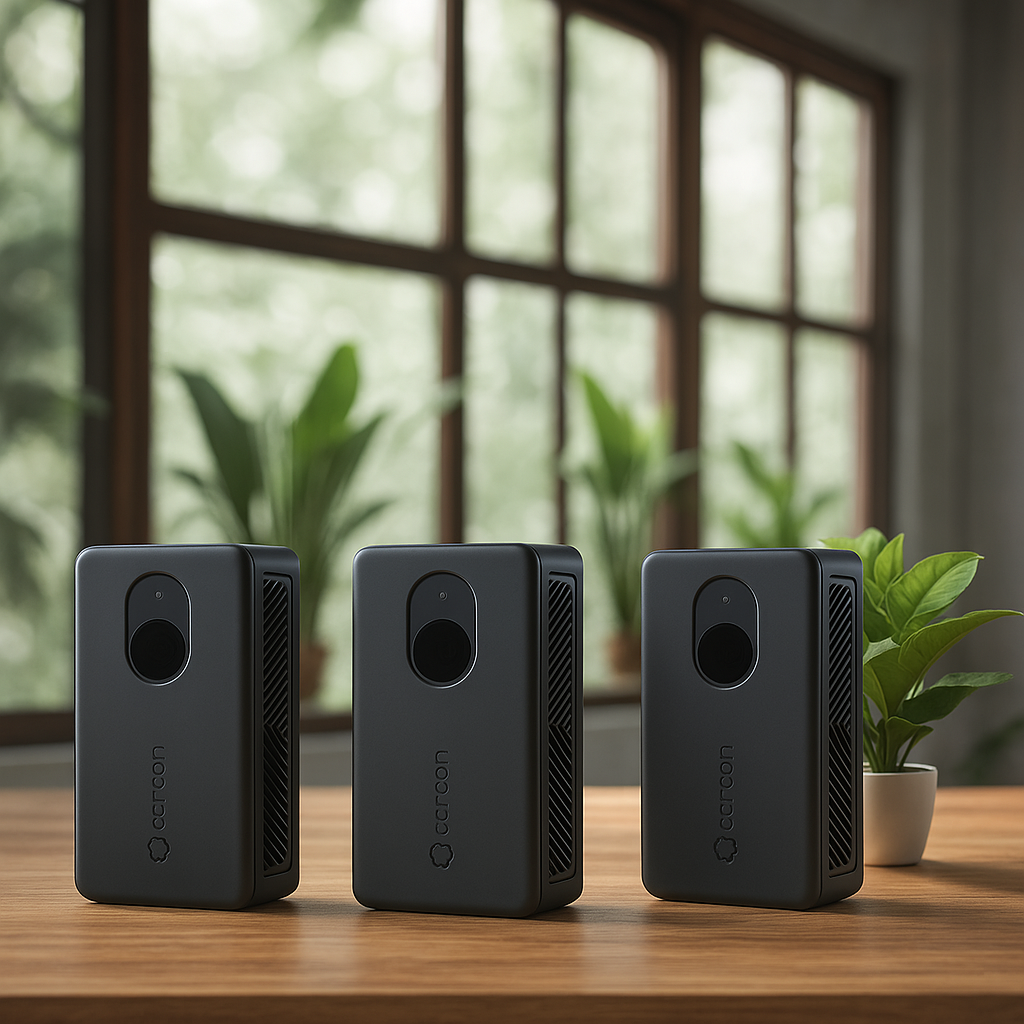
Avalon Mini 3 (37.5 TH/s, 750W)
The Avalon Mini 3 packs more punch for dedicated home miners, delivering 37.5 TH/s while using about 800W. You can use it as both a Bitcoin miner and home heater, thanks to its three operating modes:
-
Mining Mode: Pushes hash rate with chips at 75°C
-
Heater Mode: Generates maximum heat with chips at 90°C
-
Night Mode: Keeps noise down while producing heat
With a 21.3 J/TH efficiency rating, this unit fits perfectly for miners who want higher hash rates without going industrial-scale.
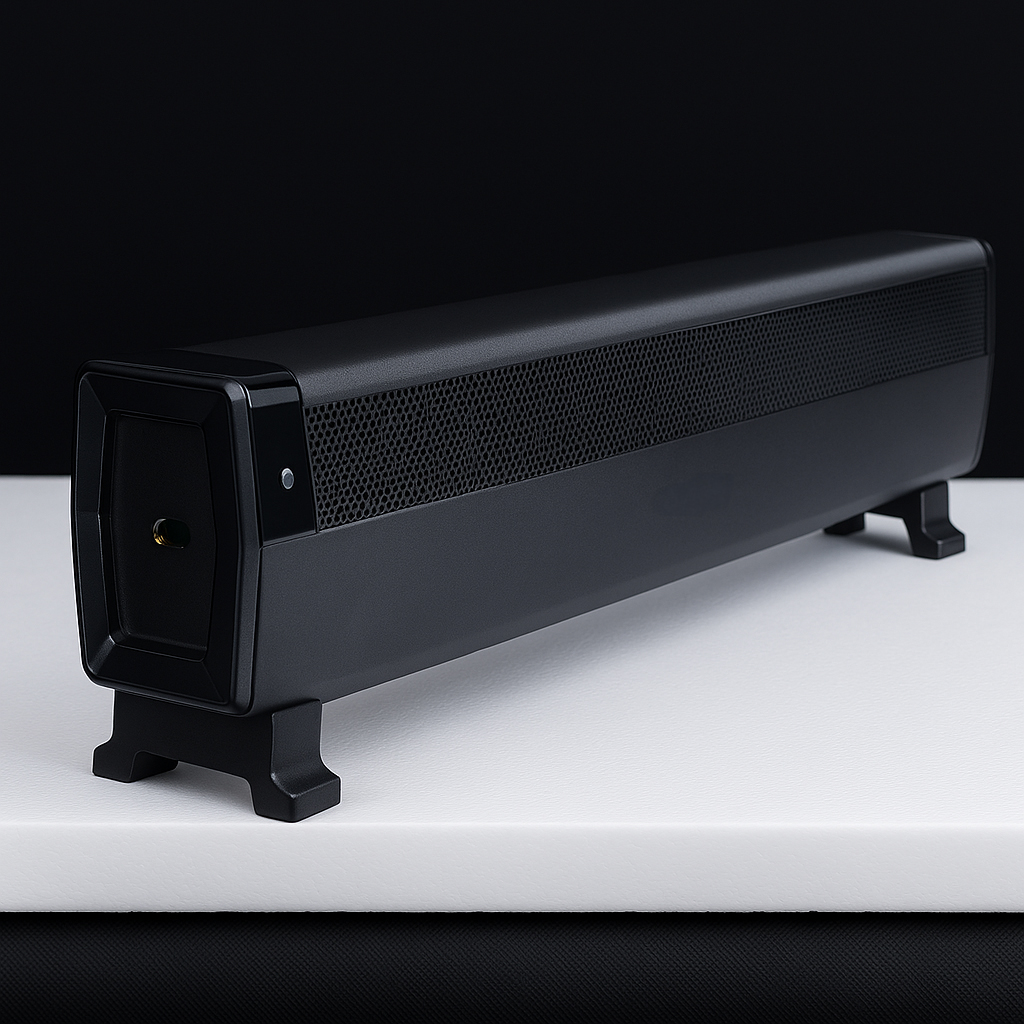
Bitaxe Gamma (1-1.2 TH/s, 17W)
The Bitaxe Gamma shines because of its incredible efficiency. It uses the BM1370 ASIC chip (the same one in industrial miners) and pumps out 1-1.2 TH/s while sipping just 17W. The numbers add up to an amazing 15 J/TH efficiency rating.
This open-source design captures what decentralized mining is all about. The hash rate might seem small, but the Gamma works great as a "lottery miner" where solo miners could win 3.125 BTC by mining a block on their own.
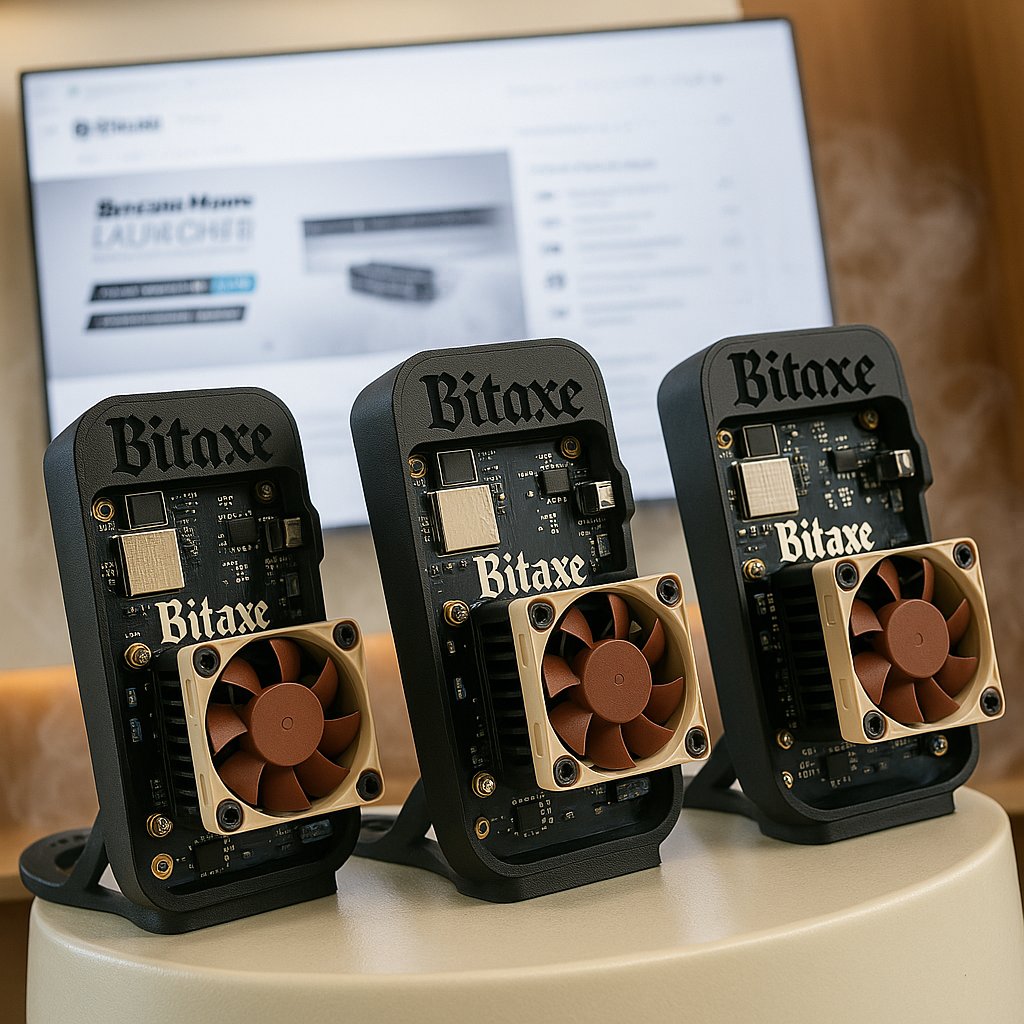
NerdQaxe++ (4.8 TH/s, 60W)
The NerdQaxe++ brings together solid hash power and top-notch efficiency. This open-source home miner delivers 4.8 TH/s and uses only 60W, hitting an impressive 15 J/TH efficiency rating.
Built with home miners in mind, the NerdQaxe++ comes with advanced cooling tech in a compact package. At EUR 429, it's available to serious home miners looking to step up their game.
Real Profitability Analysis of Home Mining
Bitcoin mining from home can be profitable or lead to losses. Success depends on several key factors that need careful consideration.
Understanding hash rate and mining difficulty
Your mining equipment's hash rate (measured in terahashes per second or TH/s) and the network's mining difficulty are crucial factors. The Bitcoin network adjusts its difficulty every two weeks to keep block times at 10 minutes. More miners mean higher difficulty, while fewer miners lower it. Right now, the network hash rate has reached nearly 703 exahashes per second (EH/s). This makes your chances of solving a block on your own very small.
Electricity costs vs. mining rewards
Electricity makes up about 80% of what miners spend on operations. Home miners need to watch their power costs closely. Mining one Bitcoin costs anywhere from EUR 31,145 to EUR 38,313 based on your electricity rates in pool mining. A Bitaxe Gamma uses just 17W and costs only pennies each day. The Avalon Mini 3, however, uses 750W and adds much more to your power bill.
Impact of Bitcoin halving on home mining returns
The 2024 halving cut block rewards from 6.25 to 3.125 BTC. Miners now earn half of what they used to make. Mining costs could reach EUR 78,168 per Bitcoin after the next halving in 2028. Home miners feel this squeeze more than large industrial operations because they can't save money by scaling up.
Calculating break-even timelines
You can figure out your break-even time by dividing your starting costs by monthly profits. Mining calculators online help estimate profits based on your setup. Key things to consider:
-
Your miner's hash rate and power use
-
What you pay for electricity
-
Bitcoin's current price and network difficulty
-
Pool fees (if you mine with others)
Many home miners look beyond just making money directly. This makes sense because they usually pay more for power than big mining operations. Here's some good news though: miners who sell their excess heat tend to make more money than those who don't.
Beyond Profits: Additional Benefits of Home Mining
Bitcoin mining discussions usually focus on making money, but the benefits of home mining go way beyond just profits. These extra advantages make mining worth considering even when direct profits look small.
Home heating applications
Home miners have found that there was a clever way to get more value: they reuse mining heat. Mining rigs convert 100% of electricity into heat, which turns this "waste" product into something valuable. Some miners set up special systems that send heat from their mining operations straight to their home heating, which cuts down winter heating costs.
The more advanced setups use immersion-based Bitcoin water heating systems to warm homes, pools, and greenhouses. Our customer in Sweden created a system that heats his entire house through radiant floor heating powered by miners. Companies now sell plug-and-play heater-miners like Avalon mini 3 that work as both space heaters and Bitcoin miners.
Lottery mining and the solo block reward potential
"Lottery mining" happens when you mine alone to compete for full block rewards instead of joining pools. The chances are tiny, but successful solo miners sometimes win full block rewards of 3.125 BTC.
Many miners use older equipment like S9 miners and accept the low odds to chase life-changing rewards. A lucky solo miner solved block 860,749 in January 2024 and earned about €172,848. Beyond the possible rewards, lottery miners often do it because they love bitcoin and want to help keep the network decentralized.
Supporting network decentralization
Home miners play a vital role in keeping Bitcoin's basic decentralized nature intact. They spread hash power among many small participants, which lowers the risk of 51% attacks and makes the network harder to control centrally.
This spread of mining power across different locations matches Bitcoin's original vision. Adding even 1 TH/s to the network "secures it a little bit more".
Learning blockchain technology hands-on
Setting up mining equipment gives you practical education about blockchain technology. This hands-on experience helps you learn about transaction validation, block creation, and network operations—knowledge that helps understand cryptocurrency basics better.
Conclusion
Bitcoin mining from home in 2025 comes with its share of challenges and opportunities. Large operations may control most of the mining world, but compact miners like the Bitaxe Gamma and Avalon Nano 3S give individuals practical ways to help secure the Bitcoin network.
Your success depends on three key factors: electricity costs, mining difficulty, and Bitcoin's price swings. Small-scale miners might not match industrial operations' profits, but they can boost returns through creative approaches. Heat recycling proves especially effective when you have mining equipment that doubles as heating units to cut down on energy bills.
Home mining brings value beyond just making money. Lottery mining gives you the exciting chance to win full block rewards, though the odds are quite long. It also helps keep Bitcoin decentralized and more resistant to concentrated control.
Starting your mining experience requires a good review of your situation - particularly your local power rates and space constraints. Mining calculators are a great way to get rough estimates based on your equipment choice and running costs. A winning approach to home mining usually combines several benefits: possible profits, heat production, and support for Bitcoin's core values.
FAQs
Q1. Is Bitcoin mining at home still profitable in 2025? Profitability depends on factors like electricity costs, mining difficulty, and Bitcoin price. While large-scale operations dominate, efficient mini miners can be profitable under the right conditions, especially when combined with strategies like heat recycling.
Q2. What are the best Bitcoin mining machines for home use in 2025? Popular home mining machines include the Avalon Nano 3S (6 TH/s, 140W), Avalon Mini 3 (37.5 TH/s, 750W), Bitaxe Gamma (1-1.2 TH/s, 17W), and NerdQaxe++ (4.8 TH/s, 60W).Canaan Avalon Q Deliver 90 TH/s at 1.6KW/h. Each offers different combinations of hash rate, power consumption, and efficiency.
Q3. How does the Bitcoin halving affect home mining profitability? The 2024 halving reduced block rewards from 6.25 to 3.125 BTC, effectively cutting miner revenue in half. This has squeezed profit margins, especially for home miners without industrial economies of scale, potentially doubling mining costs per Bitcoin.
Q4. What are some benefits of home Bitcoin mining beyond direct profits? Home mining offers advantages such as heat recycling for home heating, the potential for lottery mining rewards, supporting network decentralization, and hands-on learning about blockchain technology.
Q5. How does home mining contribute to Bitcoin's decentralization? Home miners play a crucial role in maintaining Bitcoin's decentralized nature by distributing hash power across many small participants. This reduces the risk of 51% attacks and makes the network more resistant to centralized control, aligning with Bitcoin's original vision.
Related Blog
Goldshell KA Box apskats: kompakts Kaspa ASIC racējs mājas lietošanai
Jul 8, 2024 by Guntis Vitolins
Mineshop
Mēs iedziļināsimies detaļās par mazu, bet jaudīgu ierīci, kas ir lieliski piemērota mājas lietotājiem — Goldshell Kaspa Coin ASIC racēju. Ņemot vērā jaunu izlaidumu biežumu, dažreiz
Labākā elektrības cena Bitcoin ieguvei, lai saglabātu rentabilitāti
Apr 5, 2026 by Guntis Vitolins
Mineshop
12 visrentablākie kriptovalūtu ieguves iekārtu modeļi 2025. gadā | Pelni €500+ dienā ar labākajiem ASIC
May 27, 2025 by Guntis Vitolins
Mineshop
AI darbstacija, kas atmaksājas, kamēr tā darbojas dīkstāvē
Jul 26, 2026 by Guntis Vitolins
Mineshop