


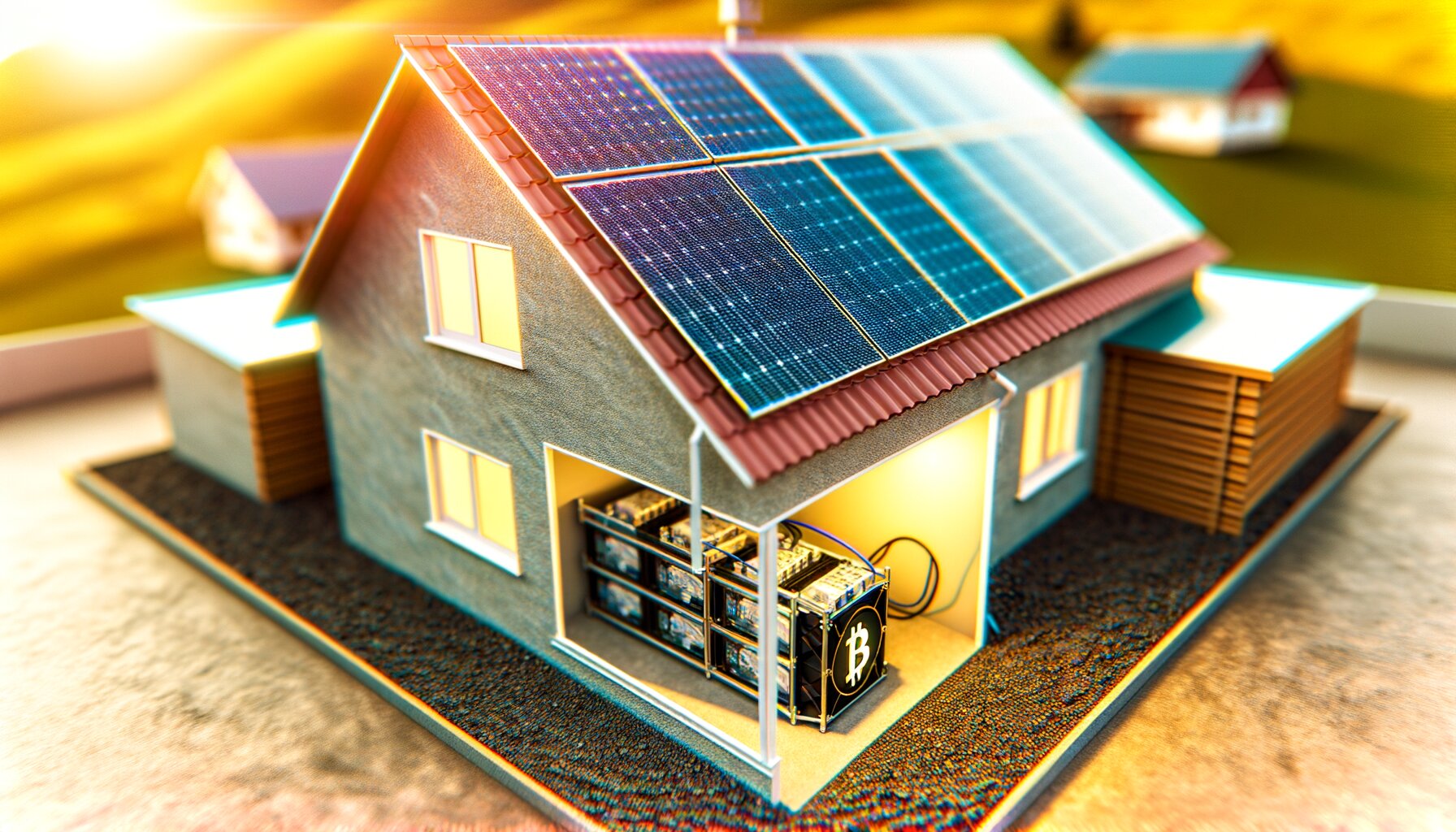
Wat als je Bitcoin miner zichzelf betaalt terwijl je elektriciteitsrekening op nul blijft? Bitcoin minen met zonne-energie thuis is niet langer een niche-experiment — in 2026 combineren duizenden Europese thuisminers zonnepanelen met compacte ASICs om crypto te minen tegen bijna nul marginale kosten. Als je dakruimte en een miner hebt, is deze gids voor jou.
In dit artikel leggen we precies uit hoe je een met zonne-energie aangedreven miningsysteem thuis opzet: hoeveel paneelcapaciteit je werkelijk nodig hebt, welke miners het beste werken met variabele stroom en of de cijfers logisch zijn voor een typisch Europees huis.
Wat We Behandelen
- Waarom Zonne-energie en Bitcoin Mining Een Natuurlijk Koppel Zijn
- Hoeveel Zonne-energie Heeft een Thuisminer Nodig?
- Je Zonnesysteem voor Mining Opzetten
- Beste Miners voor Zonne-installaties
- Is Zonne Bitcoin Mining Echt Winstgevend?
- Praktische Tips voor Thuisminers met Zonne-energie
Waarom Zonne-energie en Bitcoin Mining Een Natuurlijk Koppel Zijn
Bitcoin mining heeft één dominante kostenfactor: elektriciteit. Een ASIC miner draait 24/7, waarbij hij tussen de 200 watt (een mini miner) en 3,500 watt (een top industriële unit) verbruikt. Bij Europese netwerktarieven van €0,20–0,35/kWh kan elektriciteit alleen al je winstgevendheid maken of breken.
Zonnepanelen wekken stroom op gedurende de daguren - precies wanneer de meeste thuisminers al draaien. Moderne zonne-installaties met batterijopslag kunnen de dekking tot ver in de avond verlengen. En in tegenstelling tot het verwarmen van je huis met een miner (ook een geweldige strategie), kun je met zonne mining zowel schone energie als Bitcoin gelijktijdig genereren.
Het Belangrijke Voordeel: Bijna-nul Marginale Kosten
Zodra zonnepanelen zijn geïnstalleerd, kost de elektriciteit die ze produceren je niets extra. Elke wattuur die door je miner tijdens zonneproductie wordt verbruikt, is in feite gratis. Zelfs als je slechts 6–8 uur per dag dekking biedt met zonne-energie, verlaag je je effectieve elektriciteitskosten met 25–35% — wat een marginale operatie winstgevend kan maken.
Netinvoer versus Zelfgebruik
In de meeste Europese landen betaalt het terugleveren van overtollige zonne-energie aan het net een lage vergoeding (vaak €0,04–0,08/kWh). Diezelfde energie gebruiken om Bitcoin te minen kan per kWh aanzienlijk meer waarde opleveren, waardoor zelfconsumptie de slimme keuze is voor miners met zonne-energie.
Hoeveel Zonne-energie Heeft een Thuisminer Nodig?
Het antwoord hangt volledig af van welke miner je gebruikt. Hier zijn realistische cijfers voor populaire units voor thuismining:
- Mini miners (200–400W): Een zonne-energie array van 1–2 kWp kan volledige dagoperatie dekken. Zelfs een enkel 400W paneel kan een mini miner tijdens piekuren van stroom voorzien.
- Mid-range ASICs (1,000–1,500W): Je hebt 3–5 kWp aan panelen nodig om dagconsumptie te dekken en een overschot voor thuis te laten.
- Hoogpresterende ASICs (2,500–3,500W): 8–12 kWp installaties zijn vereist. Haalbaar op grotere daken, maar over het algemeen beter geschikt voor semi-industriële opstellingen.
Batterijopslag: De Moeite Waard voor Mining?
Het toevoegen van een thuisbatterij (bijv. een 10 kWh LiFePO4-systeem) laat je 's nachts minen op opgeslagen zonne-energie. De economie hangt af van de batterijkosten en de Bitcoin prijs, maar voor de omstandigheden in 2026 — met BTC boven de $80,000 — verschuiven veel opstellingen naar positieve ROI binnen 3–4 jaar inclusief batterijkosten.
Je Zonnesysteem voor Mining Opzetten
Een basisconfiguratie voor zonne minen thuis heeft vier componenten:
- Zonnepanelen — Geplaatst op dak of grondframe. Standaard residentiële panelen zijn elk 400–430W.
- Omvormer/ladingscontroller — Converteert DC zonne-uitvoer naar AC voor je miner. Een hybride omvormer beheert zowel netaansluiting als batterij.
- Batterijbank (optioneel maar aanbevolen) — Slaat overtollige dagopwekking op voor avond mining.
- ASIC miner — Aangesloten op een standaard stopcontact gevoed door de zonne-omvormer. Geen speciale aanpassingen nodig voor de meeste miners.
Netgekoppeld versus Off-Grid
De meeste thuisopstellingen zijn netgekoppeld: je miner trekt stroom van zonne-energie wanneer beschikbaar en schakelt automatisch over naar netstroom wanneer zonne-energie onvoldoende is. Dit vereist geen handmatige interventie — de miner blijft gewoon hashen. Volledig off-grid installaties zijn mogelijk, maar vereisen meer batterijcapaciteit en zorgvuldig lastbeheer.
Stroomstabiliteit en Miner Veiligheid
ASICs zijn gevoelig voor spanningsschommelingen. Een goede hybride omvormer (zoals die van Growatt, SMA of Huawei) handhaaft stabiele 230V AC-uitvoer ongeacht zonnevariaties. Vermijd goedkope gemodificeerde sinusgolfomvormers — ze kunnen op termijn ASIC-voedingen beschadigen.
Beste Miners voor Zon-gevoede Thuisinstallaties
Voor zonne mining is efficiëntie belangrijker dan ruw hashrate. Een miner die minder stroom verbruikt geeft meer hashuren per kWh opgewekte zonne-energie. Onze topkeuzes voor zonne mining thuis in 2026:
Mini Miners (Beste voor Kleine Zonne-installaties)
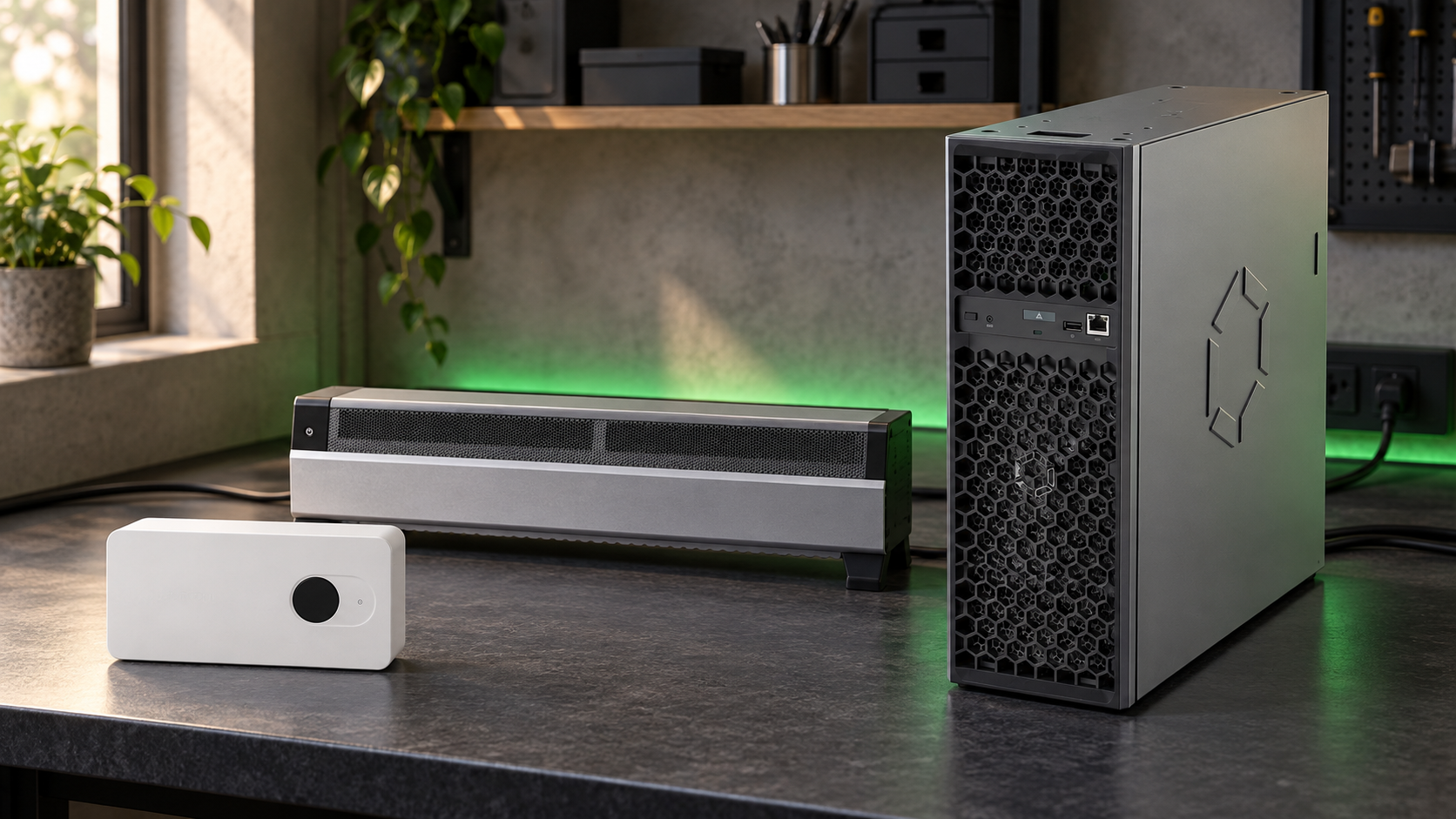
Als je zonne-installatie 1–3 kWp is, zijn mini Bitcoin miners je beste keuze. Units zoals de Avalon Nano serie verbruiken minder dan 140W en werken bijna geruisloos — ideaal voor dagoperatie in een woonruimte. Bekijk ons volledige aanbod van thuismining hardware voor op dit moment beschikbare modellen.
Efficiënte Mid-Range ASICs
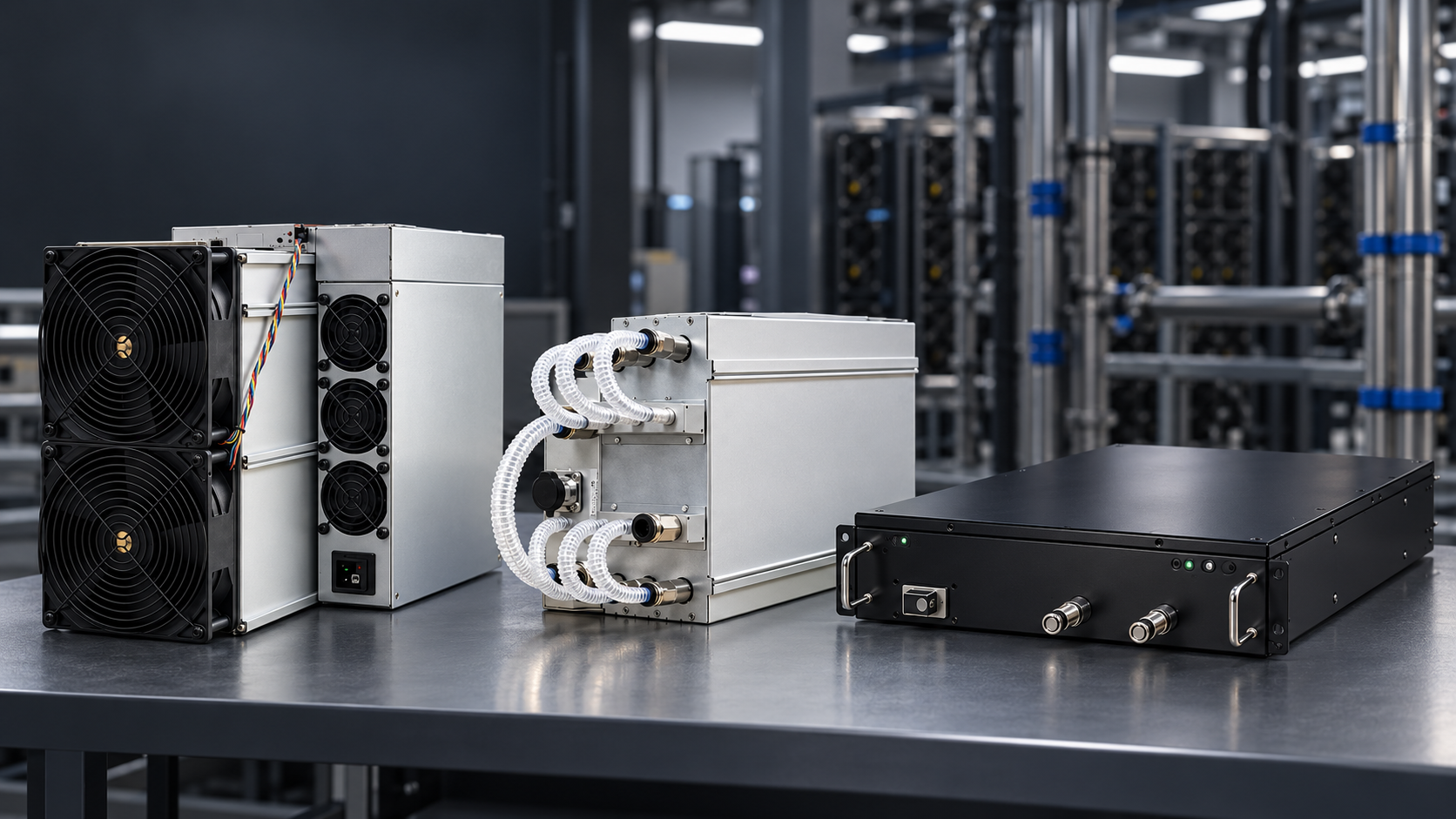
Voor 4–8 kWp zonne-systemen biedt een mid-range ASIC miner in de 1,000–1,500W-range de beste balans tussen hashrate en zonne-compatibiliteit. Modellen met efficiëntie beoordelingen onder de 20 J/TH zijn bijzonder geschikt. Blader door onze Bitmain miner collectie en IceRiver ASIC-assortiment voor de nieuwste efficiënte units.
Is Zonne Bitcoin Mining Echt Winstgevend in 2026?
Laten we een realistisch voorbeeld nemen. Stel je installeert een zonne-systeem van 3 kWp en je gebruikt een 350W mini miner gedurende de 7 piek zonuren per dag (Europees gemiddelde in zomer):
- Dagelijkse zonne-mining: 7 uur × 0.35 kW = 2.45 kWh verbruikt door de miner bij €0/kWh
- Avond mining (4 uur van net): 4 × 0.35 kW × €0.25 = €0.35/dag netkosten
- Totale dagelijkse elektriciteitskosten vs volledig-net mining (11h × €0.25): €2.75 → verlaagd naar €0.35
- Jaarlijkse besparing: ~€880/jaar alleen op elektriciteit
Bij de huidige Bitcoinprijzen en miningmoeilijkheid kan die besparing alleen al een aanzienlijke verbetering in ROI betekenen. Gebruik de ASIC miners winstgevendheidsberekenaar om je exacte opstelling te modelleren met je lokale elektriciteitstarief en paneeluitvoer.
Winteroverwegingen in Europa
Europese winters verminderen de zonneopwekking aanzienlijk — in Letland of Duitsland heb je misschien maar 2–3 piek zonuren per dag in december. Plan je winstgevendheidsmodel rond jaarlijkse gemiddelden (ongeveer 4–5 piekuren/dag in Midden/Noord-Europa) in plaats van alleen zomertoppen.
Praktische Tips voor Thuisminers met Zonne-energie
- Begin klein: Een enkel 400W paneel dat een mini miner aandrijft is een goedkope manier om het concept te testen voordat je een volledige installatie aangaat.
- Tijd je mining: Sommige miners bieden geprogrammeerde stilstand. Stel je miner in om voornamelijk tijdens zonuren te draaien als je het netverbruik zonder batterijopslag wilt minimaliseren.
- Monitor verbruik: Slimme stekkers met energiebewaking (bijv. Shelly) laten je exact bijhouden hoeveel zonne- versus netstroom je miner verbruikt.
- Verminder klokstand 's nachts: Door je miner op 70–80% vermogen te laten draaien tijdens niet-zonne uren, verminder je je netelektriciteitskosten terwijl je de miner winstgevend houdt.
- Controleer lokale zonne-initiatieven: Veel EU-landen bieden installatie subsidies of nul-BTW op residentiële zonne-energie in 2026 — dit verbetert de economie aanzienlijk.
Veelgestelde Vragen
Kun je Bitcoin minen met zonne-energie thuis?
A: Ja — Bitcoin minen met zonne-energie is praktisch en steeds vaker voorkomend in 2026. Thuisminers combineren lage tot middelhoge wattage ASIC miners met zonne-systemen op daken. De sleutelbeperking is het afstemmen van de vermogensvraag van de miner op beschikbare opwekking. Een 4 kW zonne-systeem (typisch Europese residentiële installatie) kan tijdens piek zonuren stroom leveren aan een Antminer S21+ (3,360W), of verschillende thuisminers zoals de Avalon Nano 3S (140W) de klok rond met batterijopslag.
Hoeveel zonnepanelen heb je nodig om een Bitcoin ASIC miner te laten draaien?
A: Een standaard 400W zonnepaneel genereert ongeveer 1.2–1.6 kWh per dag in Noord-Europa (minder in de winter). Om een Antminer S21+ (3,360W) te laten draaien, zijn ongeveer 10–12 × 400W panelen nodig voor dagtijd-only werking. Voor een thuisminer zoals de Avalon Nano 3S (140W), is een enkel 400W paneel voldoende met 8–10 uren direct zonlicht. (Bron: EU zonne-irradiantiegegevens, PVGIS, 2025.)
Wat is de beste Bitcoin miner voor zonne-energie in 2026?
A: De beste zonne-mining setups in 2026 gebruiken laagvermogensapparaten voor 24/7 operatie of efficiënte mid-range miners tijdens piek zonuren. Top keuzes: NerdQAxe+ Ultra (25W — loopt de hele dag op een klein paneel + batterij), Avalon Nano 3S (140W — ideaal voor 1–2 panel installaties), Antminer S21+ (3,360W — heeft een volledige residentiële zonne-array nodig). Blader door home miners op Mineshop.eu.
Is zonne Bitcoin mining echt winstgevend in 2026?
A: Bij €0.00/kWh effectieve elektriciteitskosten (volledig op zonne-energie), zijn zelfs miners met middenefficiëntie winstgevend. De Antminer S21+ (15.6 J/TH) behaalt bij nulkosten van elektriciteit ongeveer €10–18/dag bruto bij BTC ~€80,000. De kosten van het zonne-systeem (€6,000–10,000 voor een 4 kW array) voegen 18–36 maanden toe aan de terugverdientijd. De winnende situatie: combineer zonne-energie met net als backup, mijn 24/7 en profiteer zowel van verwarmingscompensatie als BTC-inkomsten.
Heb je batterijen nodig voor zonne Bitcoin mining?
A: Batterijen zijn optioneel maar verbeteren de efficiëntie aanzienlijk. Zonder batterijen mijn je alleen tijdens de daglichtproductie op zonne-energie. Een 10 kWh batterijsysteem (bijv. Tesla Powerwall ~€8,000–11,000) slaat genoeg energie op voor een Avalon Nano 3S om 's nachts door te gaan, of voor een grotere miner om 4–6 extra uren te draaien. Voor kleine thuisminers (onder 200W), verlengt zelfs een 2 kWh batterij (~€800–1,200) de werking door avonden heen.
Wat zijn de grootste uitdagingen bij zonne Bitcoin mining?
A: De drie grootste uitdagingen: (1) Seizoensgebonden variatie — Noord-Europese winters produceren 70–80% minder zonne-energie dan zomers. (2) Omvormer compatibiliteit — de meeste ASICs hebben stabiele 240V AC-stroom nodig; DC-gekoppelde systemen vereisen extra converters. (3) Batterijkosten — hoge initiële kosten vertragen de totale ROI. Beste mitigaties: pas de grootte van je systeem aan op wintergemiddelden, gebruik een kwalitatieve hybride omvormer en begin met laagvermogen miners die geen grote batterijen vereisen.
Klaar om te Starten met Zonne Mining?
De combinatie van zonnepanelen en een thuis-ASIC miner is een van de meest overtuigende setups voor langetermijn, laag-kosten Bitcoin mining in 2026. Of je nu kiest voor een stille mini miner op een balkon zonnepaneel of een volledig dakarray die een serieuze ASIC installatie aandrijft, het principe is hetzelfde: goedkopere elektriciteit betekent betere rendementen.
Blader door ons volledige aanbod van thuismining hardware bij Mineshop.eu — we hebben miners die bij elk elektriciteitsbudget passen, van minder dan 200W tot volledige units. We leveren door heel Europa met snelle bezorging.
Heb je vragen over welke miner bij je zonne-installatie past? Neem contact op met ons team — we helpen je graag de juiste match te vinden.
Mineshop.eu voorziet Europese miners sinds 2016 van echte ASIC-hardware, met snelle DHL/FedEx-levering naar alle EU-landen. De meeste bestellingen worden verzonden vanuit Ierland en Letland.