



Mini ASIC Miners: Are They Worth It for Home Use?
Most home miners in Europe are losing money right now — not because mining is dead, but because they bought the wrong machine at the wrong electricity rate. A compact home miner that draws 200W and hums quietly in your spare room is a fundamentally different proposition than a rack-mounted industrial unit pulling 3,500W. The question is whether that difference works in your favour.
The short answer: it depends entirely on your electricity rate and what coin you mine. At €0.20/kWh, some mini ASIC miners for home use can turn a modest but real profit. At €0.28/kWh — the average household rate in Germany (Eurostat, Q4 2025) — the numbers get uncomfortable fast. Let's go through this properly.
What We Cover
- What a mini ASIC miner actually is
- The real cost of running one at home in Europe
- Best mini ASIC miners compared: specs and profitability
- Noise, heat, and the reality nobody warns you about
- So is it actually worth it for home miners?
- Frequently Asked Questions
What a Mini ASIC Miner Actually Is
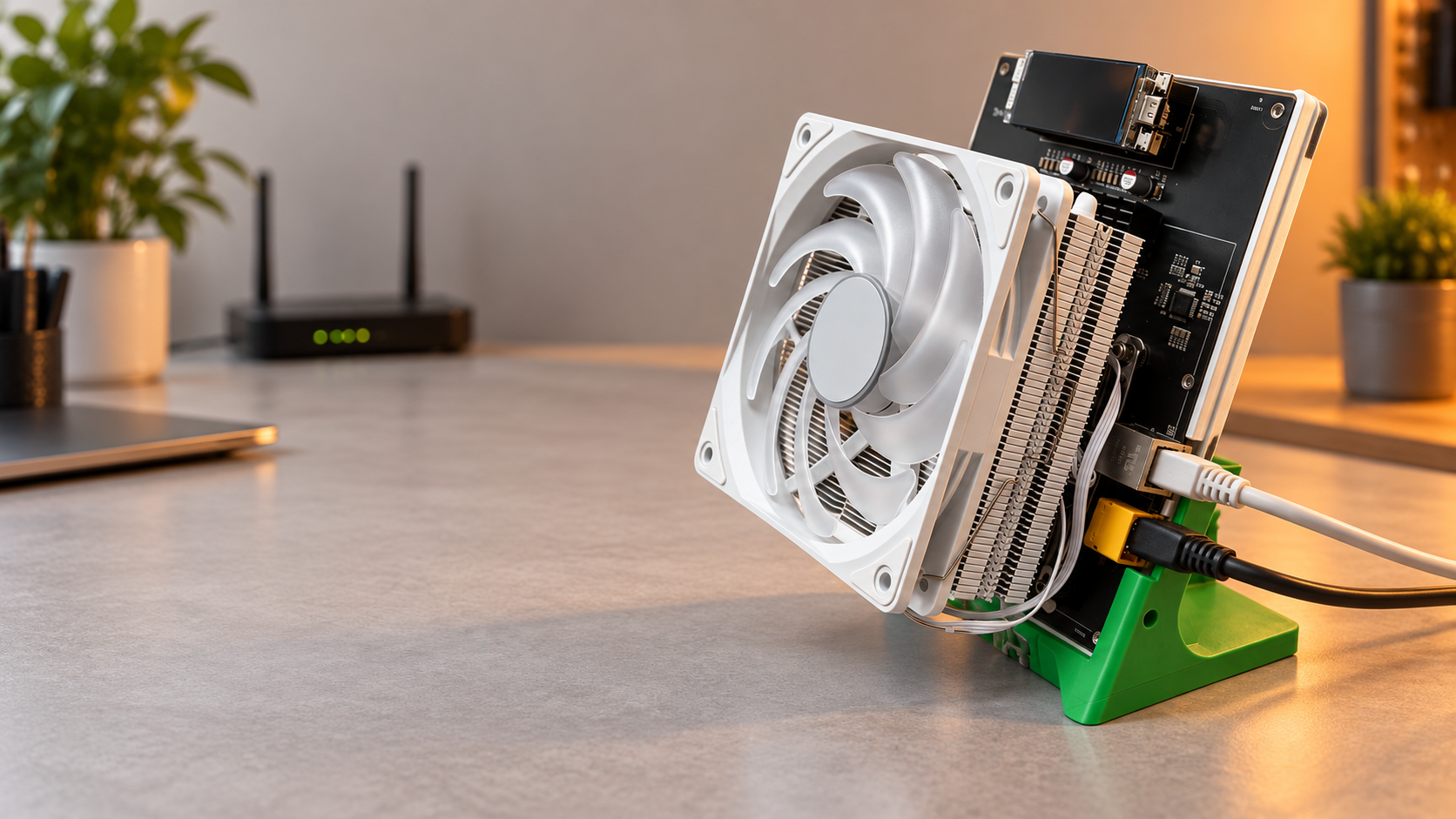
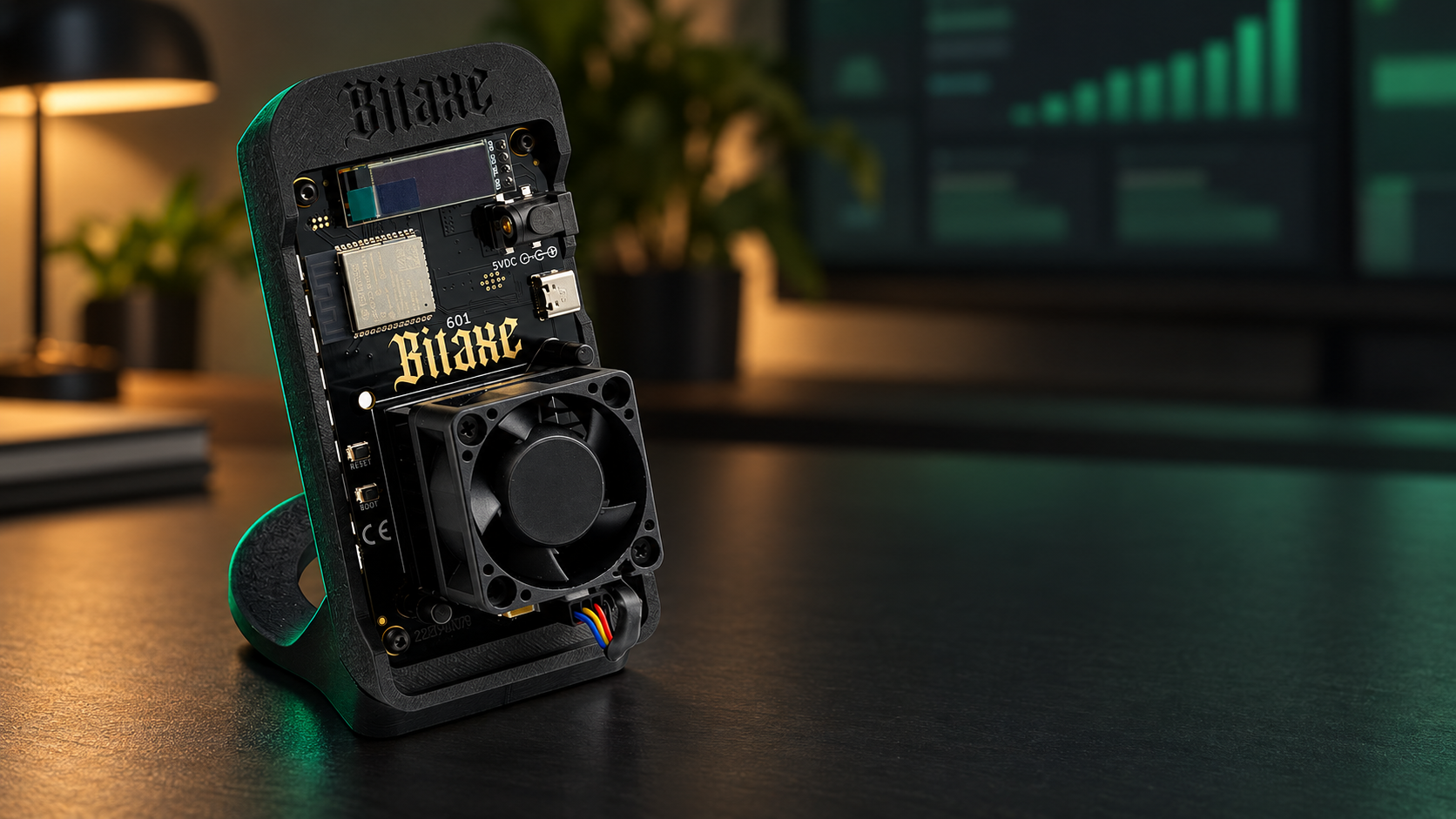
A mini ASIC miner is a compact, purpose-built computing device that performs cryptographic hashing to mine cryptocurrency, typically consuming between 100W and 400W — compared to 2,500–3,500W for full-size industrial units. That power difference is the whole story.
These are not watered-down toys. The Goldshell AE Box Pro, for instance, delivers 44 MH/s on the ALEO algorithm at around 220W. That is a real machine doing real work. It just does it quietly enough to sit on a shelf without making your flatmate threaten to leave.
The category broadly splits into two types: Bitcoin SHA-256 miners scaled down for home use, and alternative-algorithm miners targeting coins like Kaspa, ALEO, or Monero. Both have their place. They serve different risk profiles and different electricity budgets.
The Real Cost of Running One at Home in Europe
Say you live in Latvia and pay €0.18/kWh. A 200W home miner running 24/7 costs you roughly €26/month in electricity. That is survivable. Now say you live in the Netherlands at €0.30/kWh. Same machine: €43/month. Suddenly your margin on a low-hashrate device essentially disappears.
Most mining guides skip this part, which is maddening. They show you gross revenue figures without subtracting electricity. Your actual return is: (daily BTC or alt-coin revenue × price) minus daily electricity cost. Everything else is noise.
EU Electricity Rates and What They Mean for You
According to Eurostat Q4 2025, EU household electricity prices range from around €0.12/kWh in Hungary to over €0.40/kWh in parts of Belgium and Denmark. If your rate is above €0.25/kWh, Bitcoin mining with a small home unit is essentially break-even at current difficulty — and with network hashrate sitting at 800–1,000 EH/s post-April 2024 halving, competition is not getting lighter. Alternative algorithms like Kaspa or ALEO can offer better margins at higher electricity rates, which is exactly why machines like the Bitmain Antminer X9 (XMR RandomX) have become genuinely interesting for European home miners.
One number worth knowing: the block reward dropped to 3.125 BTC per block after the April 2024 halving. With ~144 blocks mined per day and a Bitcoin price around $66,603 USD, total daily miner revenue across the entire network is substantial — but so is the competition. A small home miner's share of that is very small.
Best Mini ASIC Miners Compared: Specs and Profitability
Here is how the current crop of compact home miners actually stack up. These are machines Mineshop stocks; most orders ship from Ireland and Latvia, both in the EU.
| Miner | Algorithm / Coin | Hashrate | Power Draw | Noise Level | Best For |
|---|---|---|---|---|---|
| Goldshell AE Box Pro | ALEO (AleoBFT) | 44 MH/s | ~220W | ~45 dB | Home / office use |
| Bitmain Antminer X9 | XMR (RandomX) | 32 kH/s | ~1,350W | ~65 dB | Dedicated mining room |
| Pinecone Matches INIBOX | INI | Varies | ~100–150W | ~40 dB | Ultra-quiet home setup |
| Bitmain Antminer Z15 Pro | ZEC (Equihash) | 820 ksol/s | ~1,500W | ~72 dB | Garage / utility room |
Source: asicminersprofitability.com, 2026. Noise figures are manufacturer-rated; real-world measurements in enclosed spaces run 3–5 dB higher.
The Goldshell AE Box Pro is the standout option if you genuinely want a mini ASIC miner for home use without an angry household. The Pinecone INIBOX runs even quieter and draws under 150W — honestly, that is impressive. The Antminer X9 and Z15 Pro are efficient at their algorithms but push into territory where you need proper ventilation and ideally a separate room.
Noise, Heat, and the Reality Nobody Warns You About
Here is the thing about mini ASIC miners for home use that most product pages bury: 45 dB is roughly the hum of a quiet dishwasher. Fine in a utility room. Noticeable in a bedroom. Maddening at 3am in a studio apartment.
Heat is the other one. A 220W device running 24/7 dumps roughly the same thermal load as two large incandescent bulbs left permanently on. In winter in Finland, that is free heating. In July in southern Spain, it is an air conditioning bill. Factor your climate into the calculation — seriously.
In our experience shipping to customers across 27 EU countries, the biggest mistake beginners make is underestimating the infrastructure around the miner. A proper power strip with surge protection, adequate ventilation, and ideally a dedicated circuit — these are not optional extras. They are the difference between a miner that runs for three years and one that fails in six months.
So Is It Actually Worth It for Home Miners?
Here is the counterintuitive take: for many European home miners, the better case for a compact ASIC is not pure profit — it is mining an alternative coin with lower competition and converting strategically, rather than chasing Bitcoin directly with a small machine.
Bitcoin's network hashrate at 800–1,000 EH/s means your 10 TH/s home unit is statistically invisible. You would solo mine for years without a block. Join a pool and you get fractional payouts that may or may not exceed your electricity costs depending on the week. Coins like ALEO or XMR have meaningfully lower network difficulty, which is why the home miner category has shifted heavily toward alt-algorithm machines.
The honest verdict: if your electricity rate is below €0.20/kWh and you pick the right algorithm, a mini ASIC miner for home use can generate a small but consistent return — call it €20–60/month net depending on the machine and coin price. Not retirement money. But real money, from hardware sitting on your shelf doing its thing. At €0.25/kWh and above, you need to do the maths carefully before buying, and the margin for error is thin.
Mineshop.eu has been supplying European miners with genuine ASIC hardware since 2016; most orders ship from Ireland and Latvia, both in the EU, with fast DHL/FedEx delivery across all EU countries. Browse the full mini Bitcoin miners range or the broader ASIC miner catalogue to compare current stock and pricing.
Frequently Asked Questions
What is the best mini ASIC miner for home use in Europe in 2026?
A: The Goldshell AE Box Pro (44 MH/s, ~220W, ~45 dB) is currently one of the strongest options for genuinely quiet home mining in Europe. For the lowest power draw possible, the Pinecone Matches INIBOX at 100–150W is worth considering. The right choice depends on your electricity rate and whether you want to mine Bitcoin-adjacent coins or alternative algorithms like ALEO or INI.
How much electricity does a mini ASIC miner use per month?
A: A 200W unit running 24/7 consumes approximately 144 kWh per month. At €0.20/kWh that is €28.80/month in electricity costs. At €0.28/kWh (the German household average, Eurostat Q4 2025), the same machine costs €40.32/month to run. Always subtract this from your projected revenue before deciding whether a machine makes sense.
Can I mine Bitcoin with a mini ASIC miner at home?
A: Technically yes, but practically the odds are poor. With network hashrate at 800–1,000 EH/s and the block reward at 3.125 BTC, a small home unit's contribution is negligible in a pool and essentially zero solo. Most home miners targeting Bitcoin do so via pools and accept very small fractional daily payouts. For better returns at lower hashrates, alternative-algorithm miners are typically more effective in 2026.
Are mini ASIC miners legal in EU countries?
A: Yes. ASIC mining hardware is legal to own and operate throughout the EU. There are no EU-wide restrictions on home mining as of 2026. Some municipalities may have specific rules about commercial electricity use or heat emissions in residential properties, but home-scale mining with one or two low-wattage units is not regulated in any EU member state we are aware of. Always check your local utility contract regarding commercial use clauses.
How loud are mini ASIC miners?
A: Compact home miners like the Goldshell AE Box Pro and Pinecone INIBOX typically rate between 40–48 dB — roughly equivalent to a quiet refrigerator or desktop PC under load. Industrial-class units like the Antminer Z15 Pro rate at 72 dB, which is genuinely loud and requires a dedicated space. Manufacturer dB figures are measured at 1 metre in open air; enclosed rooms will read higher.
What is the payback period for a mini ASIC miner at home?
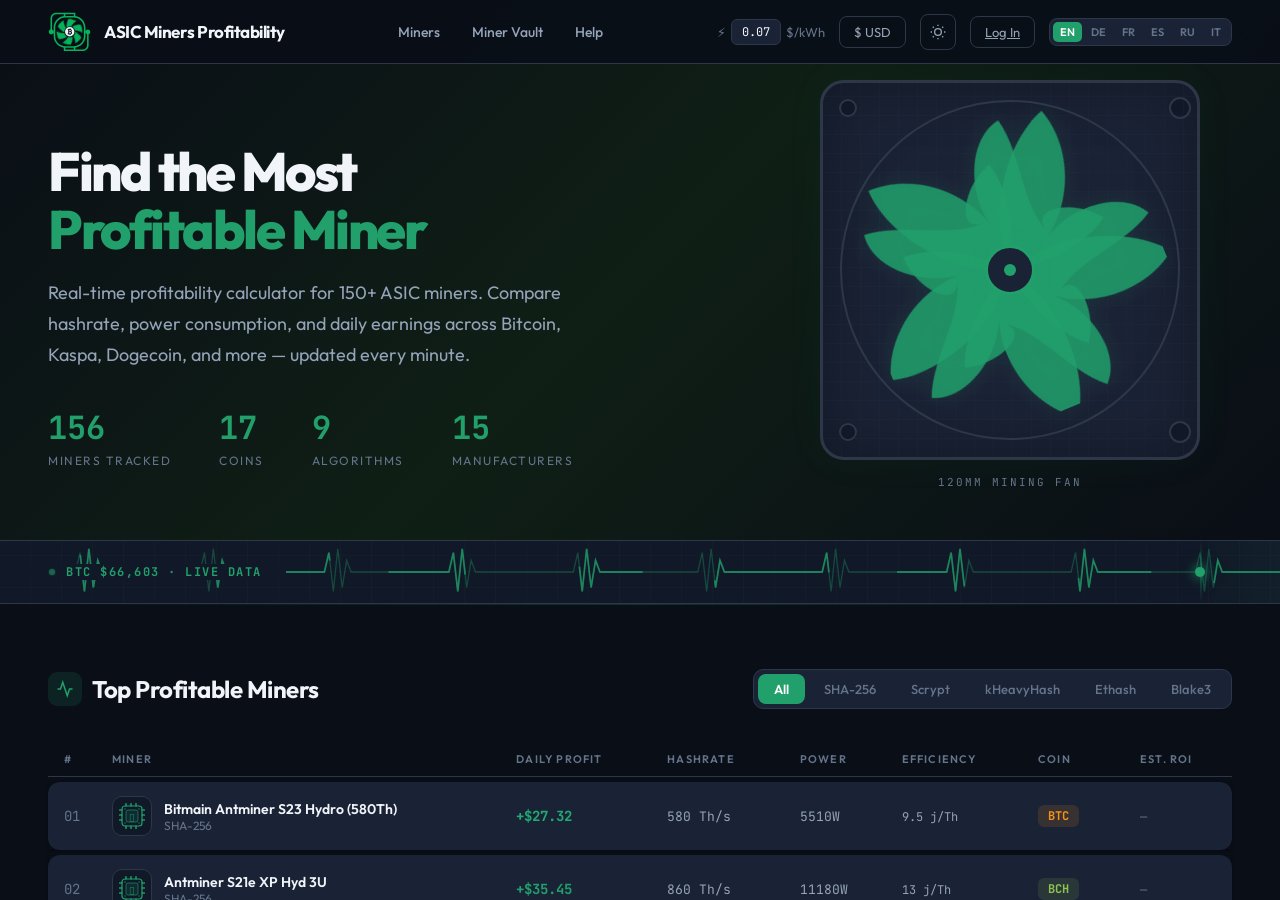
A: This varies significantly by machine, coin price, and electricity rate. At €0.18/kWh with favourable coin prices, a low-wattage alt-algorithm miner can realistically return its purchase cost in 12–18 months. At €0.25/kWh or above, payback periods extend to 24 months or more — and depend heavily on whether the coin you are mining holds its value. No payback estimate is reliable without running the numbers at your specific electricity rate. (Source: asicminersprofitability.com, 2026)
Comments (0)