

How to Start Crypto Mining: A Beginner's Guide to Your First $100
Starting crypto crypto mining for beginners could cost you anywhere from $2,630 to $23,850.
Bitcoin mining started simple and grew into something bigger. Anyone could mine Bitcoin on a simple home computer as a hobby in the early days. But today's digital world runs on specialized computers called ASICs (Application-Specific Integrated Circuits) and professional operations with massive data centers.
You can still mine from home, thanks to mini bitcoin miners like the Avalon Q and Avalon Mini. These compact devices are available to newcomers and come with an interesting bonus - they generate heat while mining. You can earn crypto and warm your home at the same time!
Successful miners can earn substantial rewards - 3.125 BTC per block plus transaction fees. Your mining operation can be profitable with electricity costs of $0.05/kWh or lower. The real question is whether it makes sense for you.
Let us guide you through everything about starting crypto mining. You'll learn to set up your first crypto mining rig and calculate potential profits until you earn your first $100.
What Is Crypto Mining and How Does It Work?
Crypto mining powers many cryptocurrency networks. The process helps verify transactions and adds them to the blockchain. Crypto mining doesn't need central authorities like traditional banking systems. The system relies on a computer network to verify transactions instead.
Understanding blockchain and proof-of-work
The blockchain acts as a digital ledger that keeps track of all cryptocurrency transactions securely and chronologically. Your cryptocurrency transaction goes into a pool with other unverified transactions that need processing. Miners group these transactions into blocks and race to add them to the blockchain.
Miners compete through a system called proof-of-work (PoW). They use powerful computers to solve complex cryptographic puzzles. The network rewards the first miner who finds the right solution. Other miners then verify if the solution works. The new block becomes a permanent part of the blockchain after verification. This creates an unbroken chain of transaction history.
Why mining is essential to crypto networks
Mining plays several vital roles in cryptocurrency ecosystems. The system verifies transactions to ensure they're legitimate. This stops problems like double-spending where someone tries to use the same cryptocurrency twice.
Mining also makes the network substantially more secure. The huge computational power needed makes it too expensive for bad actors to change past transactions. The system's decentralized nature stops any single group from controlling the network. This helps cryptocurrencies stay trustless.
How miners earn rewards
Miners get two types of rewards for their computational work:
-
Block rewards: New cryptocurrency tokens created with each block
-
Transaction fees: Small payments from users who want their transactions processed
Bitcoin's block reward stands at 3.125 BTC per block as of April 2024, following the latest halving. The reward gets cut in half about every four years. Experts expect the final Bitcoin to be mined around 2140.
New miners can start their experience with mini bitcoin miners like the Avalon Q and Avalon Mini. These devices are available without needing lots of space or technical know-how. The compact miners generate heat while running. This makes them great during winter months because you can earn cryptocurrency and warm your home at the same time.
Choosing the Right Mining Setup for Beginners
Home mining operations have become more available with mini bitcoin miners that combine earning potential with practical home benefits. Start your mining experience with mineshop.eu where you can find everything to enter the crypto mining world.
What is a crypto mining rig for beginners?
A cryptocurrency mining rig for beginners uses specialized hardware that performs mining tasks. Home mining rigs are different from industrial setups with thousands of units. They use a few compact devices that fit well in residential spaces. New miners usually choose between GPU setups or smaller ASIC miners built specifically for cryptocurrency mining.
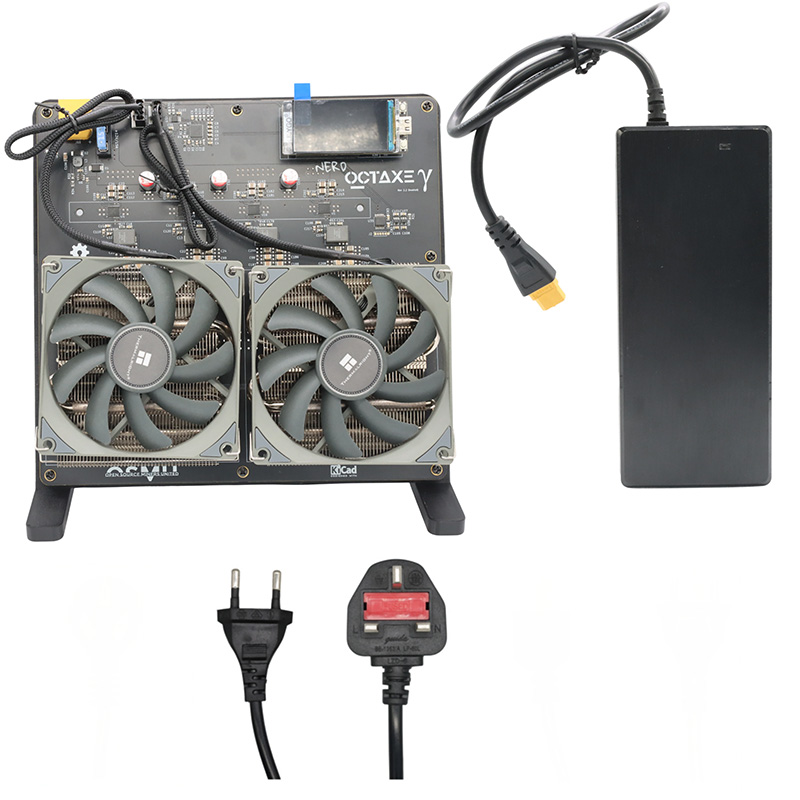
Mini bitcoin miners: Avalon Q, Avalon Mini, and others
Several mini bitcoin miners work great for home use:
The Avalon Nano 3S gives you 6 TH/s hashrate and uses only 140W of power. It fits anywhere with its compact size (20.5×11.5×5.85cm) and runs quietly (33-40dB) - perfect for bedrooms or living areas.
The Avalon Mini 3 delivers 37.5 TH/s using 800W power with great efficiency at 21.3 J/TH. You can use it as a space heater with three different operating modes.
The Avalon Q packs professional-grade performance with 90 TH/s hashrate. Power consumption adjusts between 800W-1600W.
How to set up a mini bitcoin miner at home
These miners need little technical knowledge to set up. Most mini miners connect through smartphone apps after powering up. Avalon devices use the Avalon Family App. You just download the app, pick your device, connect to the miner's WiFi, and add your home network details.
Electricity and space requirements
Mini miners need their own electrical connections. Many run on 220-240V outlets while smaller models work with standard 110V circuits. A 20A or 30A circuit helps them work best.
These units need good airflow because they turn 80-90% of electrical energy into heat. Basements, garages, or special enclosures help manage noise levels.
Using mining heat to warm your home in winter
The clever part about home mining is using the generated heat. The Avalon Mini 3 puts out 800W of heat - just like a regular space heater. Miners get "free" heating in winter months which helps with electricity costs. Some homeowners save €190-€572 each year on heating bills.
Step-by-Step Guide to Start Mining Your First $100
The next significant step after selecting your hardware involves configuring software and connections. Start your mining experience with mineshop.eu where expert guidance simplifies this process.
Installing mining software for beginners
New miners will find user-friendly options like EasyMiner or NiceHash QuickMiner helpful with their simple interfaces that need no coding knowledge. These programs detect your hardware automatically and start mining with minimal setup. The mining software links your hardware to the blockchain network and lets you manage settings through visual dashboards.
Joining a mining pool vs solo mining
Solo mining sounds appealing but numbers tell a different story. A top-tier ASIC producing 140 TH/s against a network hashrate of 500 EH/s gives you a probability of 0.00000028 (or 0.000028%) to mine a block. You would need approximately 6.8 years to mine one block!
Beginners should join mining pools where miners combine hashpower and share rewards proportionally. Popular pools like Foundry USA, F2Pool, and AntPool provide different payout methods:
-
Pay Per Share (PPS): Fixed payment per share submitted
-
Pay Per Last N Shares (PPLNS): Rewards based on recent contribution
Setting up a stable internet connection
Your mining operation needs reliable internet with minimal latency. ASIC mining requires at least 10-20 Mbps bandwidth. Wired connections work better than wireless options for stability.
Monitoring performance and temperature
Mining software shows up-to-the-minute statistics on hashrate, earnings, and temperature. Your mining hardware runs 24/7, so regular monitoring helps prevent overheating damage and optimize earnings.
How long it takes to earn your first $100
Your first $100 depends on your setup configuration. A high-end ASIC with 140 TH/s generates approximately €12.31 daily. You could reach $100 in about 8-9 days at current rates.
Costs, Profits, and Smarter Mining Tips
You need to think carefully about the financial side of crypto mining before jumping in. Beginners should understand both startup costs and running expenses to make steady profits.
Initial setup costs for a beginner rig
A home mining operation needs an investment between €2,500 and €22,750. Mini bitcoin miners like the Canaan Avalon Nano 3 start at €409. The midrange units such as Avalon Q or Avalon Mini cost between €1,400 and €3,500.
Ongoing electricity and maintenance costs
Your biggest expense will be electricity. Mining operations become profitable only when rates stay below €0.05/kWh. Right now, mining one Bitcoin costs around €50,573. This makes power efficiency a vital factor.
Using profitability calculators
Tools like NiceHash or CryptoCompare help you forecast your potential earnings. These calculators look at your hardware's hashrate, power use, electricity costs, and market conditions to show expected profits.
Tips to reduce costs and increase efficiency
Your returns will improve if you:
-
Switch to renewable energy sources to keep power costs steady
-
Run your operation during off-peak hours when power is cheaper
-
Underclock your equipment to save power while keeping good hash rates
-
Use mining heat to lower winter heating bills
When to upgrade or stop mining
You should upgrade when your equipment falls behind newer models in efficiency. The market price matters too. If Bitcoin drops below your production cost (now averaging €50,573), you might want to pause operations until conditions get better.
Conclusion
Crypto mining has evolved a lot since its early days when a simple computer could mine Bitcoin. Large-scale operations now dominate the digital world, but mini Bitcoin miners give beginners a great way to earn their first $100. The Avalon Q, Avalon Mini, and Avalon Nano 3S come with reasonable startup costs and user-friendly setup procedures. These features make the mining process more approachable.
Mini miners come with a great advantage - they serve two purposes. The heat from mining operations warms your living space in winter months while you earn cryptocurrency. This benefit helps reduce electricity costs, which are the main ongoing expense for miners. Users save between €190-€572 each year on heating bills, making mining more economically viable.
New miners should join a mining pool instead of mining solo. Current hardware might take years to show rewards when mining solo. A profitability calculator helps set realistic expectations about potential earnings before investing. A high-end setup can generate around €12 daily, so you could earn your first $100 in 8-9 days.
Success in mining depends on finding the right balance between hardware costs, electricity rates, and market conditions. The best scenario needs electricity rates below €0.05/kWh and efficient use of your equipment's heat output. Your mining strategies will improve with time. You'll learn to cut costs and maximize returns through renewable energy, off-peak mining, or strategic upgrades.
Crypto mining gives you a chance to invest and learn about blockchain technology. Home mining with mini Bitcoin miners lets you participate in cryptocurrency networks despite its challenges. This path could lead you to earn your first $100 and beyond.
Key Takeaways
Starting crypto mining at home is now accessible through mini bitcoin miners that serve dual purposes - earning cryptocurrency while heating your space during winter months.
• Mini bitcoin miners like Avalon Q and Avalon Mini cost €409-€3,500, making home mining accessible without massive industrial setups.
• Join mining pools instead of solo mining - your chances of earning rewards increase dramatically from once every 6.8 years to consistent daily payouts.
• Electricity costs below €0.05/kWh are essential for profitability, with mining heat offsetting winter heating bills by €190-€572 annually.
• Earning your first $100 takes approximately 8-9 days with high-end equipment generating around €12 daily at current rates.
• Use profitability calculators before investing and monitor that your production costs stay below Bitcoin's market price to maintain sustainable operations.
The key to successful home mining lies in choosing efficient hardware, securing low electricity rates, and maximizing the practical benefits of mining heat to create a profitable and sustainable operation.
FAQs
Q1. How can I start crypto mining as a beginner? To start crypto mining, first choose a cryptocurrency to mine and purchase appropriate mining equipment (ASIC or GPU). Set up a crypto wallet to receive rewards, configure your mining device, and join a mining pool for consistent payouts. For beginners, mini bitcoin miners like the Avalon Q or Avalon Mini offer an accessible entry point.
Q2. Is it possible to mine 1 Bitcoin in a day? Mining 1 Bitcoin in a day is extremely unlikely for individual miners. Bitcoin mining is a competitive process where new coins are created every 10 minutes. The time to mine one Bitcoin depends on your mining power relative to the entire network. For most home miners, it's more realistic to earn smaller amounts over time by participating in mining pools.
Q3. How long does it typically take to earn $100 from crypto mining? The time to earn $100 from crypto mining varies based on your setup and market conditions. With a high-end ASIC miner (around 140 TH/s), you might generate approximately €12 daily at current rates. This means you could potentially earn your first $100 in about 8-9 days, assuming stable conditions and pool mining.
Q4. What are the initial costs to start crypto mining? Initial costs for crypto mining can range from €2,500 to €22,750, depending on your setup. For beginners using mini bitcoin miners, entry-level options like the Canaan Avalon Nano 3 cost around €409, while mid-range units like the Avalon Q or Avalon Mini range from €1,400 to €3,500. Additional costs may include electricity setup and cooling solutions.
Q5. Can crypto mining heat be used to warm my home? Yes, the heat generated from crypto mining can be used to warm your home, especially during winter months. Mini bitcoin miners like the Avalon Mini 3 produce about 800W of heat, comparable to a standard space heater. This dual-purpose approach can help offset electricity costs, with some homeowners reporting annual heating bill savings of €190-€572.
Related Blog
Mineri Bitcoin cu consum redus pentru iarna 2026: BC01, Thor P2 și Bitaxe Gamma
Aug 31, 2026 by Guntis Vitolins
Mineshop mini bitcoin miner Asic miner
Mazjaudas Bitcoin raktuvji ziemas 2026. gadam: BC01, Thor P2 un Bitaxe Gamma
Aug 31, 2026 by Guntis Vitolins
Mineshop mini bitcoin miner Asic miner
Niskoenergetyczne koparki Bitcoina na zimę 2026: BC01, Thor P2 i Bitaxe Gamma
Aug 31, 2026 by Guntis Vitolins
Mineshop mini bitcoin miner Asic miner
Stromsparende Bitcoin-Miner für den Winter 2026: BC01, Thor P2 und Bitaxe Gamma
Aug 31, 2026 by Guntis Vitolins
Mineshop mini bitcoin miner Asic miner