Goldshell ASIC Miners: Powerful Crypto Mining Hardware for Home & Professional Use
Choosing Goldshell mining hardware starts with the coin you want to mine and the space where the equipment will run. A compact unit and a larger air-cooled machine can serve very different purposes, even when they share a brand. Use this category to compare the relevant product specifications, then check power, cooling and pool compatibility before deciding. The right purchase is the one that fits your installation and running-cost assumptions, not simply the one with the largest headline rate.
How to choose a Goldshell miner
First identify the intended network and its mining requirements. Dedicated hardware is not a general-purpose computer that can switch freely between unrelated algorithms. Confirm the exact model, supported coin and operating mode on its product page. If a search for a Goldshell AE Box, Goldshell KD Box or Goldshell AL Box brought you here, do not assume those model families have identical compatibility, or that a familiar family name confirms current availability. This page's examples below refer to specific listed products.
Write a short requirements list before comparing machines: your electricity tariff, usable space, acceptable sound level, ventilation route and electrical capacity. Buyers exploring a wider range can also browse the ASIC miner category. Compare alternatives within the same algorithm; rates for different algorithms cannot establish which machine earns more.
Understand the listed models and specifications
Card-format and larger ALEO equipment
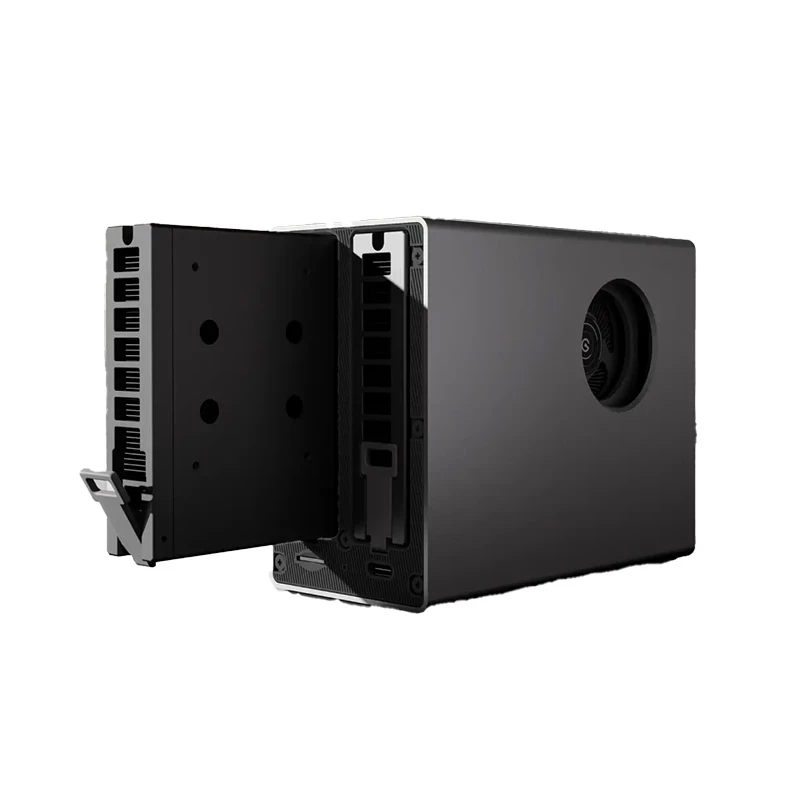
The Goldshell AE card lists ALEO and a high-power-mode rate of 5.5 MH/s ±5%. That mode label matters: do not combine its rate with another mode's consumption figure. Its card dimensions are 123 × 21 × 88 mm. These measurements describe the card itself, not a complete installed system. Check the required supporting hardware and installation instructions before planning an enclosure or assuming it operates as a standalone box.
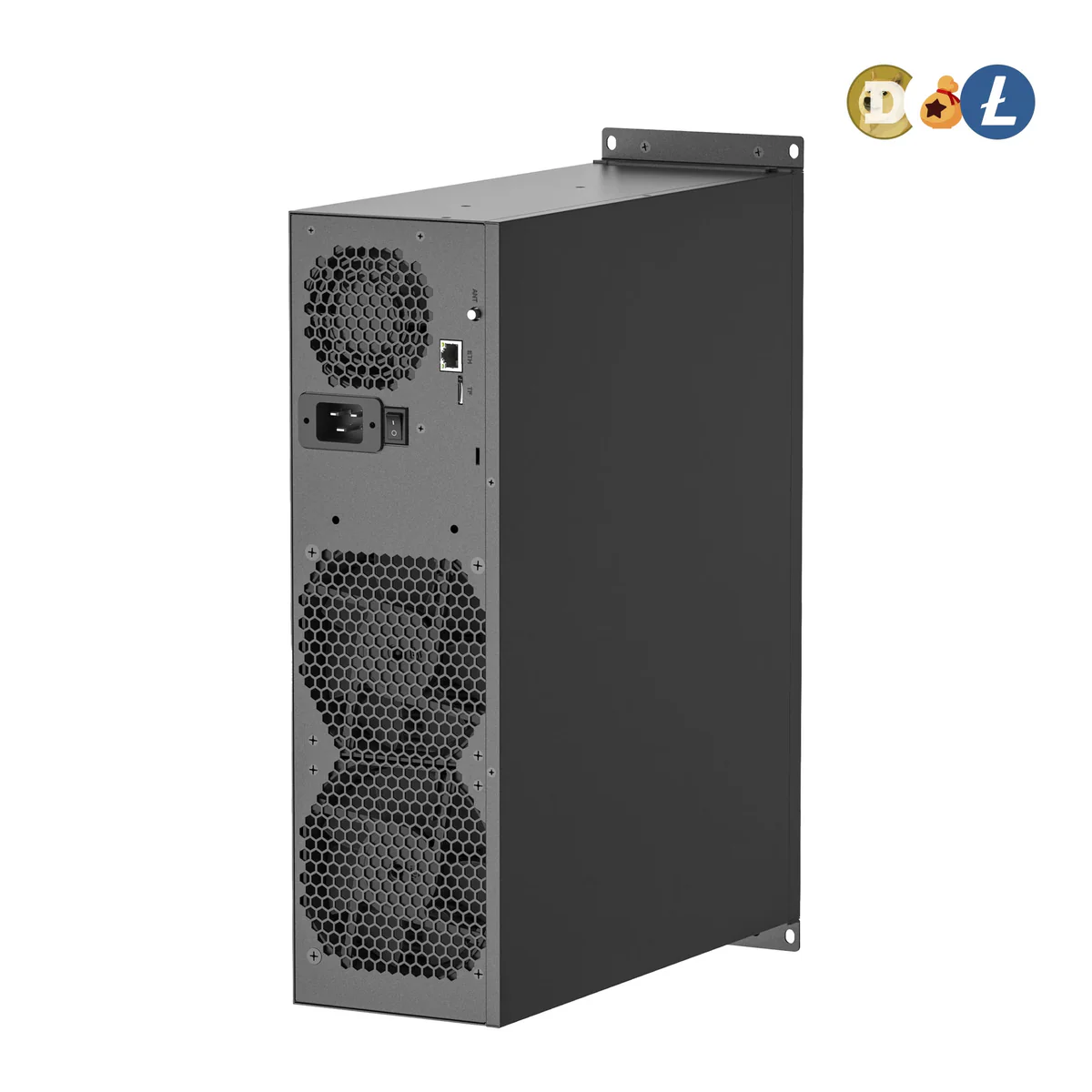
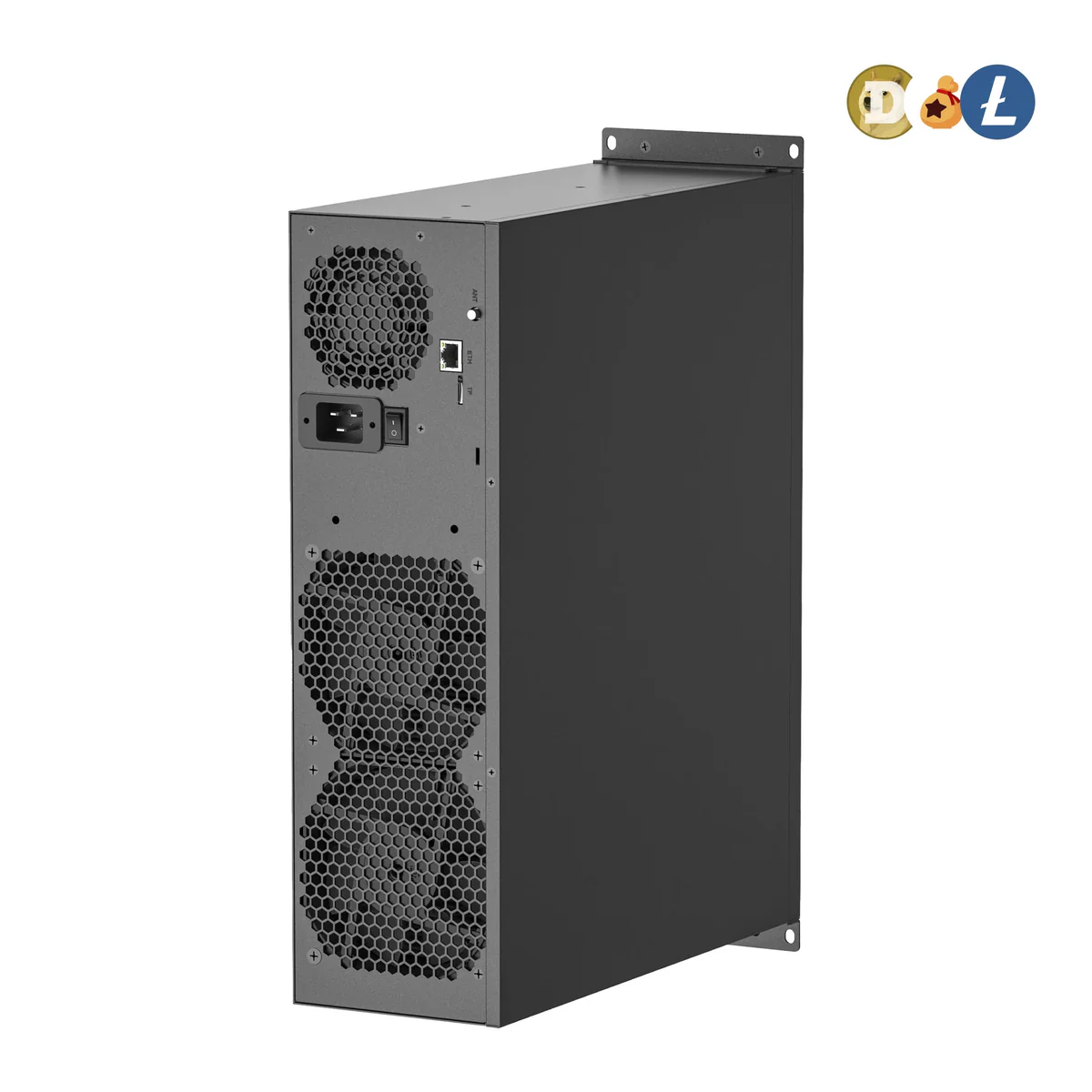
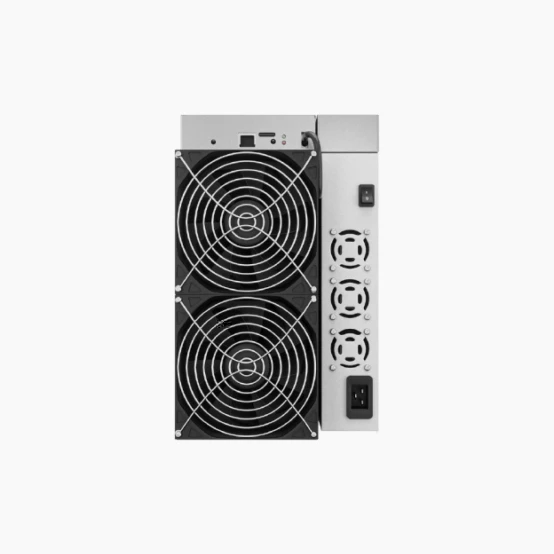
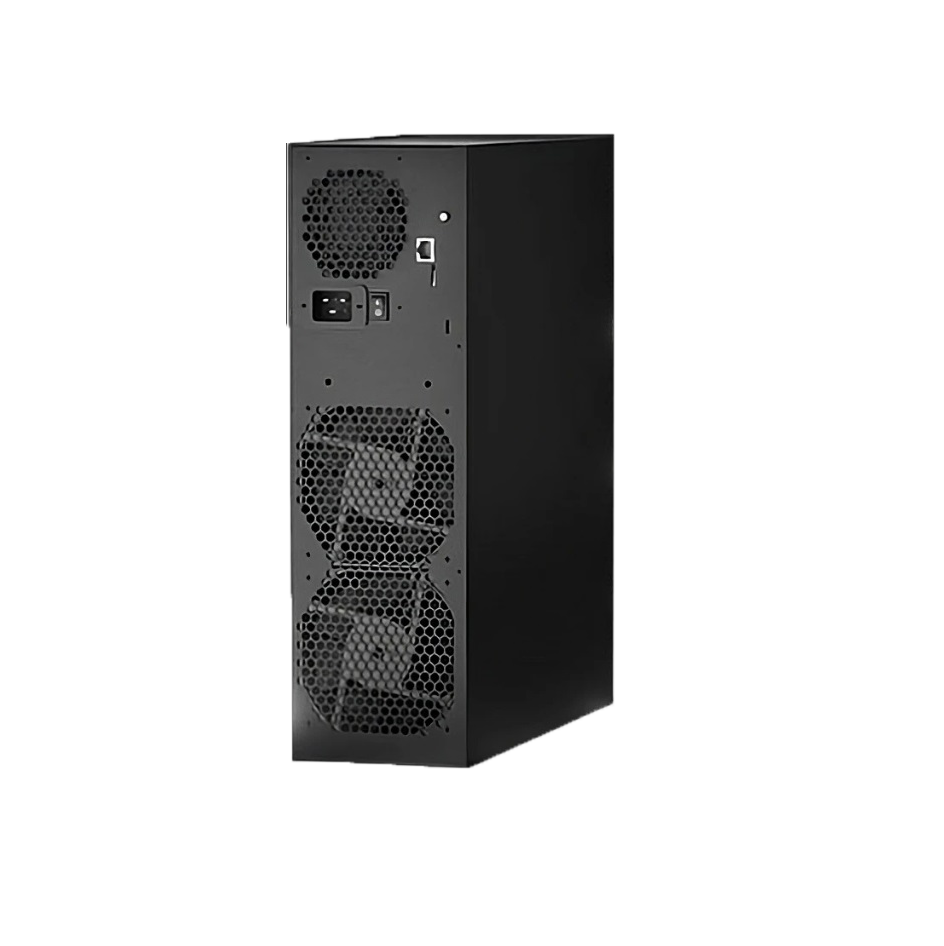
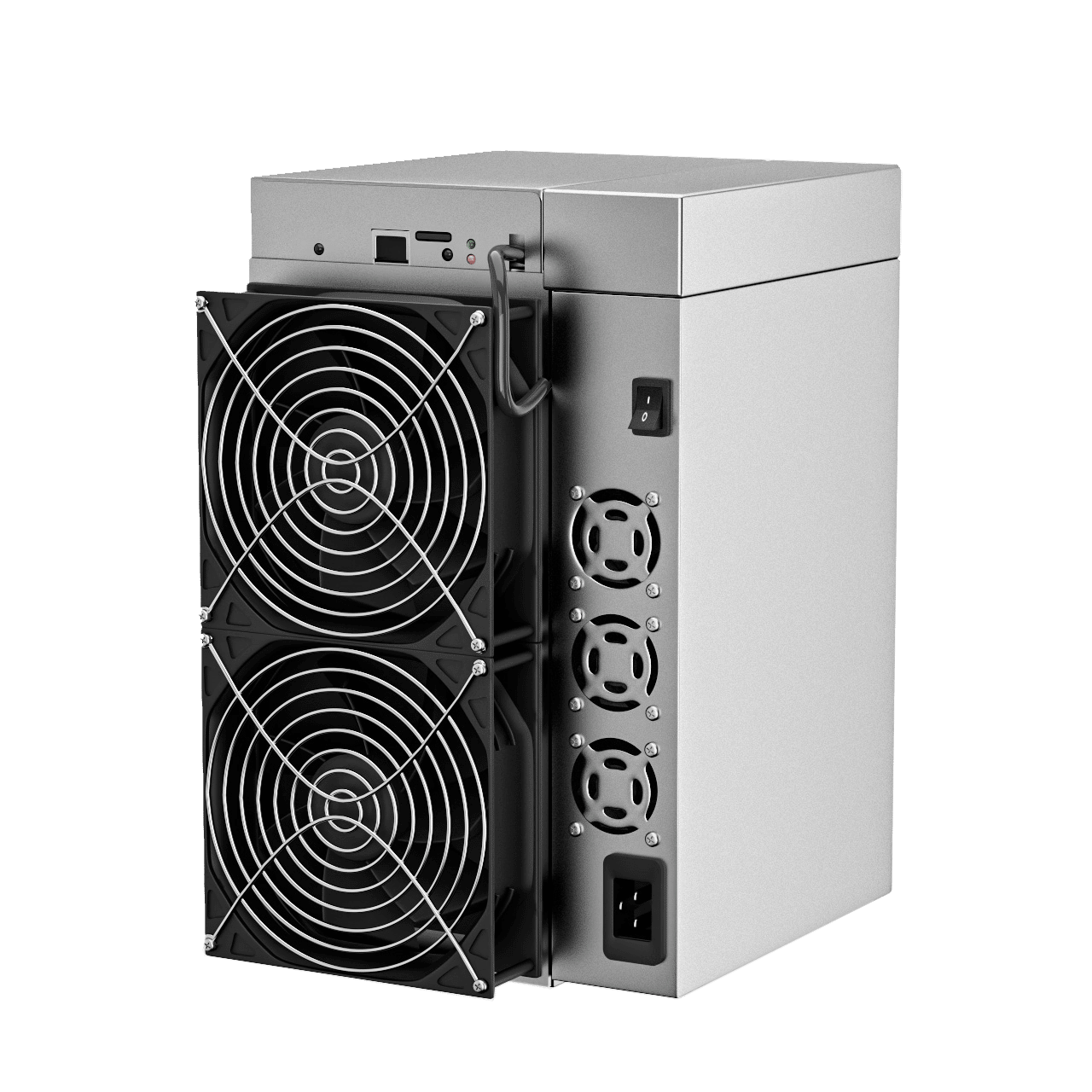
The Goldshell AE Max lists zkSNARK, 360 MH/s and 3300 W, with air cooling provided by four high-performance fans. The Goldshell E-AE1M lists ALEO, 230 MH/s and 2000 W, with air cooling. Treat those as the respective published specifications, not a guarantee of measured output in your room. Check that the pool supports the precise device and workload before making a direct comparison.
A different power profile for home use
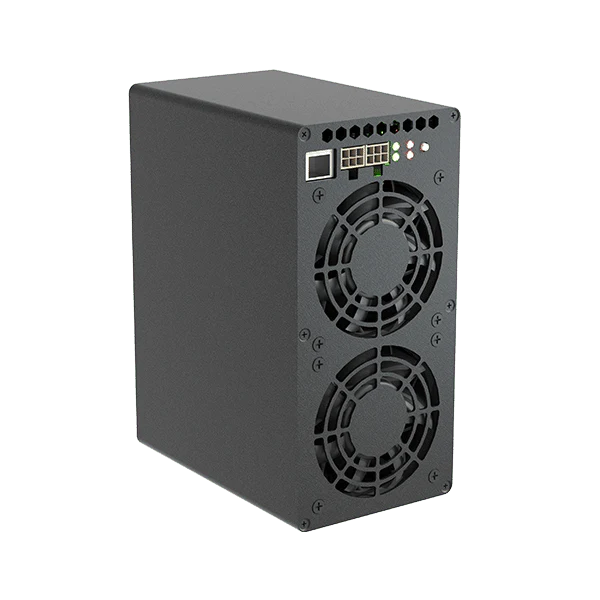
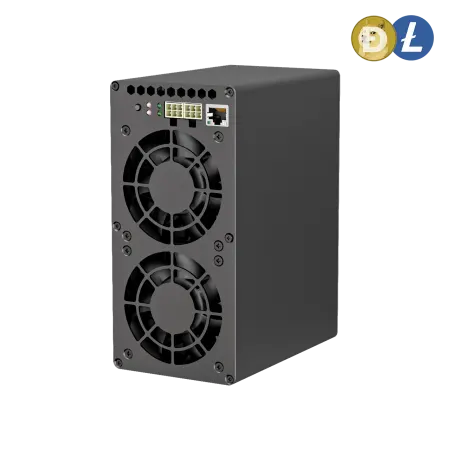
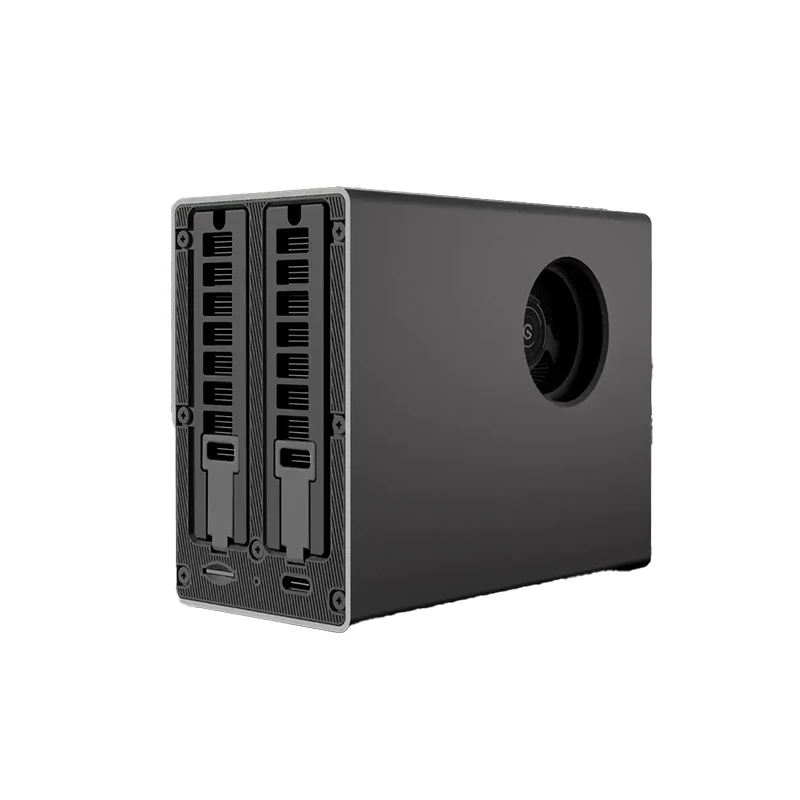
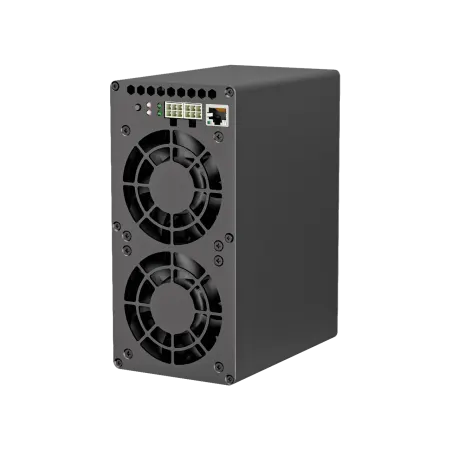
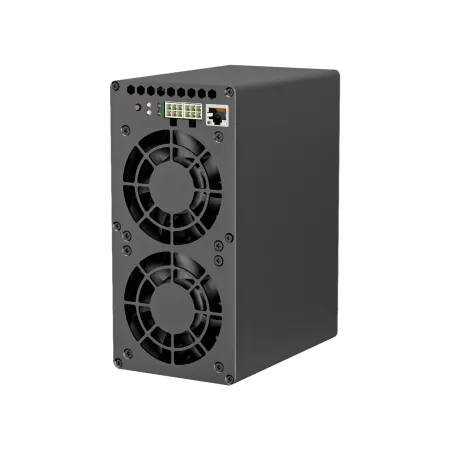
The Goldshell BYTE product details list 140 W, a multicoin designation and 110–240 V. Its listed 45 dB noise figure is nominal, rather than a promise about sound at your desk. Multicoin does not mean every cryptocurrency is supported. Verify the supported combinations and required accessories for your intended use. For a broader look at domestic installation options, see the home miner category.
Power consumption, efficiency and heat
Hashrate describes computational work per second; consumption describes the electrical load. Both are necessary when comparing compatible devices. Efficiency comparisons also need matching units and operating conditions. A figure in MH/s should not be compared numerically with TH/s on an unrelated algorithm. Missing or conflicting specifications should be clarified before purchase rather than filled in with assumptions.
Estimate electricity use from the intended operating wattage and daily runtime, then apply your actual tariff. Include any separate cooling or supporting equipment in your budget. Revenue estimates can change with network conditions, fees and coin value; no hardware specification guarantees profit. Test a conservative scenario as well as an optimistic one, and consider whether the purchase still suits your goals if returns fall.
A miner adds heat wherever it operates. Keep intake and exhaust paths clear, and avoid drawing warm exhaust straight back into the intake. Ask a qualified electrician to assess the circuit and connection arrangements for larger continuous loads. If useful heat is part of your plan, the heat reuse calculator can help explore assumptions, but usable heat depends on the room, season and installation.
Compatibility and first setup
Confirm the power supply, cables, network connection and any card-host requirements for the exact model. Do not assume accessories are interchangeable because they share a connector shape. Prepare a compatible pool account and wallet, follow the device instructions, and secure administrative access. Check the firmware source and avoid applying unofficial settings before you understand their effect on operation and warranty conditions.
During initial operation, watch temperatures, fan behaviour and the rate reported by the pool. Short-term fluctuations need context; investigate persistent problems rather than judging a machine from a single reading. Keep a record of the original configuration and specification sheet. The miner comparison tool provides a useful starting point for keeping shortlisted specifications together.
EU delivery and warranty checks
Mineshop offers tracked delivery to all 27 EU countries from our warehouses in Ireland and Latvia. Confirm the delivery information for your chosen product and destination before ordering; a category listing is not a dispatch or arrival promise. Plan the installation in advance without assuming a particular delivery date.
Read the product's warranty terms and applicable return conditions before purchase. Check what documentation is needed, how a fault should be reported and whether modifications affect coverage. Keep the invoice, serial number and packaging. Ask for clarification about anything uncertain before changing firmware, power settings or hardware.
Build a Goldshell shortlist by workload
For an ALEO-focused shortlist, start with the AE card, AE Max and E-AE1M examples above, then check each precise algorithm label and operating mode. The card needs a separate supporting-hardware check; the larger air-cooled options need more substantial electrical planning. BYTE offers a different listed 140 W profile, but its multicoin label still requires confirmation of your intended coin. Choose the workload first and the enclosure second.
Goldshell buyer FAQ
Can one machine mine every coin?
No. Choose by the exact device's supported algorithm and coin requirements, not by the brand name alone.
Is a small miner necessarily silent?
No. Fan behaviour, room acoustics and operating conditions matter. Treat published noise values as specifications, not room-noise guarantees.
Does more hashrate guarantee more profit?
No. Electricity, fees, network conditions and coin value also affect the result. Compare realistic running costs before purchasing.
What should I verify before ordering?
Confirm compatibility, operating mode, power arrangements, included accessories, delivery information and the particular warranty terms.