

How Can I Mine for Bitcoins? Complete Mining Methods Guide
If you are asking how can I mine for Bitcoins?, the honest answer is that there are several ways to participate. You can mine at home with a small SHA-256 ASIC, join a mining pool for steadier payouts, try solo mining for a tiny chance at a full block reward, or build an industrial operation with serious electrical and cooling infrastructure.
Bitcoin mining today is built around ASIC miners: purpose-built machines that calculate SHA-256 hashes far more efficiently than laptops, CPUs or GPUs. This guide from Mineshop.eu explains the main methods, cooling options, and how to choose a realistic setup.
Major Bitcoin ASIC manufacturers include Canaan Avalon and Bitmain. Their machines cover everything from compact home miners to high-power industrial units, so the right choice depends on where the miner will actually run.
What We Cover
- How Bitcoin mining works
- Home Bitcoin mining
- Pool mining
- Solo mining
- Industrial mining
- Air, hydro and immersion cooling
- FAQ
How Bitcoin Mining Works
Bitcoin miners compete to find a valid block. Each miner repeatedly hashes block data until one result is below the current network target. The miner or pool that finds the valid block earns the block subsidy plus transaction fees. Since the 2024 halving, the block subsidy is 3.125 BTC before transaction fees, and it is expected to remain at that level until the next halving around 2028.
The two most important numbers are hashrate and efficiency. Hashrate tells you how many attempts the miner makes per second. Efficiency is shown as J/TH. Lower J/TH is better because electricity is usually the biggest ongoing mining cost.
Method 1: Home Bitcoin Mining
Home mining means running one or a few ASIC miners in a house, apartment, garage, office or workshop. It is usually done for learning, heat reuse, hobby mining, decentralization, pool payouts, or solo mining experiments.
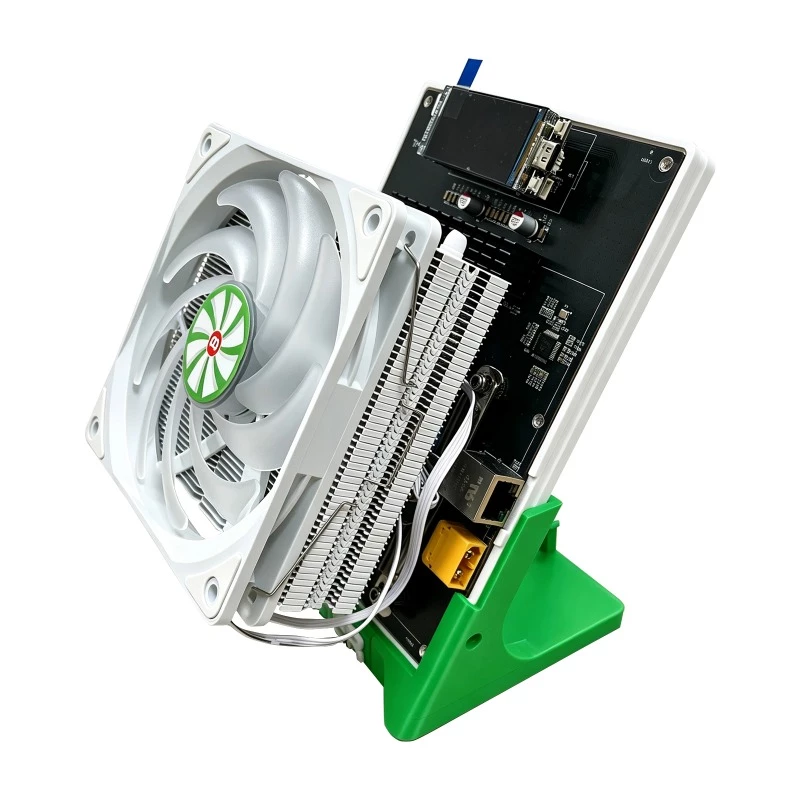
Small miners are the cleanest starting point. A compact unit such as an Avalon Nano 3S home Bitcoin miner, Avalon Mini 3, Bitaxe Gamma, Hammer Miner BC01 PRO or Hammer Miner Thor P2 is far easier to live with than a full-size Antminer.
Home mining advantages
- Lower entry cost than a large farm
- Good way to learn wallets, pools, firmware and miner dashboards
- Heat can be reused during colder months
- Lower noise and power draw if the hardware is chosen carefully
Home mining limits
- Electricity price can make profit difficult
- Noise and heat matter more than beginners expect
- Small miners have very low odds of finding a solo block
- Apartment circuits may not support larger ASICs safely
Method 2: Pool Mining
Pool mining is the most common route for normal miners. Instead of trying to find a full block alone, you connect your ASIC to a mining pool. The pool combines hashrate from many miners and pays you a share based on your contributed work.
Pool mining is best if you want more regular payouts. The payouts may be small, but they are more predictable than solo mining. For larger machines from the ASIC miner category, pool mining is usually the practical default unless you deliberately want lottery-style solo mining.
Method 3: Solo Mining
Solo mining means your miner tries to find a Bitcoin block for your own wallet address. If your miner finds a valid block, you receive the block reward after maturity. If it does not, you receive nothing. That is why solo mining should be treated as high-variance mining, not predictable income.
For home users, solo mining is exciting because the setup is simple and the reward target is clear. You can connect a SHA-256 miner to Mineshop Solo Pool using your BTC wallet address as the username. No account is needed. A small miner can technically find a block, but the odds are extremely low.
Method 4: Industrial Bitcoin Mining
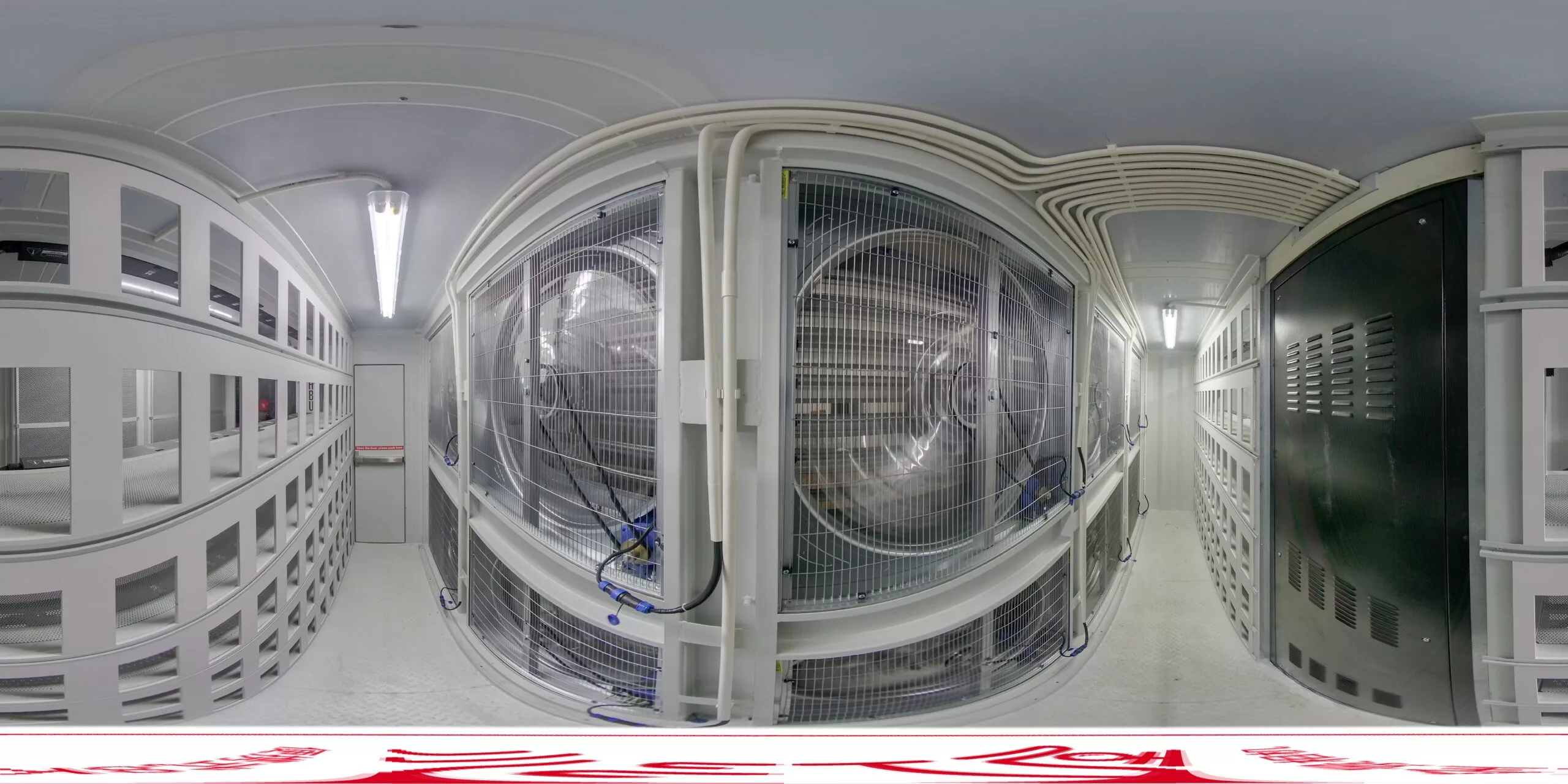
Industrial mining involves many ASIC miners, dedicated electrical supply, ventilation or liquid cooling, monitoring software, spare parts and a clear electricity contract. This is where Bitmain Antminer models such as Antminer S21, Antminer S21 Pro or hydro units like the Antminer S21 XP+ Hydro make more sense.
Industrial miners focus on uptime, efficiency, purchase price, firmware control, cooling cost and power price. Small efficiency differences matter when multiplied across a container or data hall.
Air, Hydro and Immersion Cooling
Every watt consumed by a miner becomes heat, so a 3,000 W ASIC behaves like a 3,000 W heater. The right cooling method depends on scale and location.
Air cooling
Air cooling is the standard option. Fans push air through heatsinks and exhaust hot air out of the miner. It is simple, widely supported and easiest to maintain. The downside is noise, especially with full-size ASICs.
Hydro cooling
Hydro cooling uses liquid blocks or plates to move heat from chips into a water or coolant loop. It can be powerful and controlled, but it needs pumps, radiators, manifolds and leak-aware installation. Hydro is best for experienced users or industrial sites.
Immersion cooling
Immersion cooling places miners or hashboards in dielectric fluid, often called immersion oil. It carries heat away and can reduce fan noise dramatically. The tradeoff is complexity: tanks, pumps, filtration, materials and warranty considerations all matter.
| Method | Best For | Main Challenge |
|---|---|---|
| Home mining | Beginners, hobby miners, heat reuse | Noise, power cost and expectations |
| Pool mining | Steadier payouts | Pool fees and payout thresholds |
| Solo mining | Lottery-style block hunting | Very high variance |
| Industrial mining | Large-scale hashrate | Power contracts, cooling and capex |
| Hydro/immersion | Dense high-power deployments | System complexity |
How to Start Mining Bitcoins Safely
Start with your constraints, not with the biggest miner you can find. Check electricity price, circuit capacity, noise, ventilation, internet stability and whether you want pool payouts or solo mining excitement.
For a first setup, a compact miner from the mini Bitcoin miners category is usually the best learning path. If you already have a suitable electrical space and want real hashrate, compare full-size units in the Bitcoin ASIC miner range.
- Choose a SHA-256 ASIC miner for Bitcoin
- Prepare a Bitcoin wallet address
- Pick pool mining for regular payouts or solo mining for block hunting
- Enter the stratum URL, worker name and password in the miner dashboard
- Monitor temperature, hashrate, rejected shares and power draw
- Calculate revenue against your real electricity cost before scaling
Bitcoin Mining FAQ
Can I mine Bitcoin with a laptop?
Technically yes, but it is not realistic today. Bitcoin mining is dominated by SHA-256 ASIC miners, which are far faster and more efficient than laptops or GPUs.
Is solo Bitcoin mining worth it?
Solo mining is worth it only if you understand the variance. It can be fun and educational, but it should not be treated as guaranteed income.
Which cooling method is best?
Air cooling is best for simplicity. Hydro cooling is useful for high-power machines and controlled installations. Immersion cooling is best for dense or noise-sensitive deployments when the operator can manage the extra system complexity.
Can Bitcoin mining heat my home?
Yes. Almost all miner electricity becomes heat, so a miner can act like an electric heater that also hashes. The economics depend on electricity cost, BTC price, miner efficiency and whether you need the heat.
Final Thoughts
So, how can you mine for Bitcoins? Use ASIC hardware, choose a mining method that matches your goal, and be honest about power, heat, noise and probability. Home mining is best for learning. Pool mining is best for regular payouts. Solo mining is best for high-variance block hunting. Industrial mining is for operators who can control electricity and cooling at scale.
If you are starting from zero, begin with hardware you can actually run. Browse home Bitcoin miners, compare mini Bitcoin miners, or step up to full-size ASIC miners when your site is ready.
Related Blog
How to Build Your Own AI Workstation (vs DGX Spark)
Sep 9, 2026 by Mineshop Team
Mineshop AI Workstation
Best Solo Mining Pools for Home Bitcoin Miners (2026)
Sep 28, 2026 by Mineshop Team
Mineshop mini bitcoin miner