



ASIC Miner Buying Guide: Best Bitcoin Mining Hardware in Europe (2025 Prices)
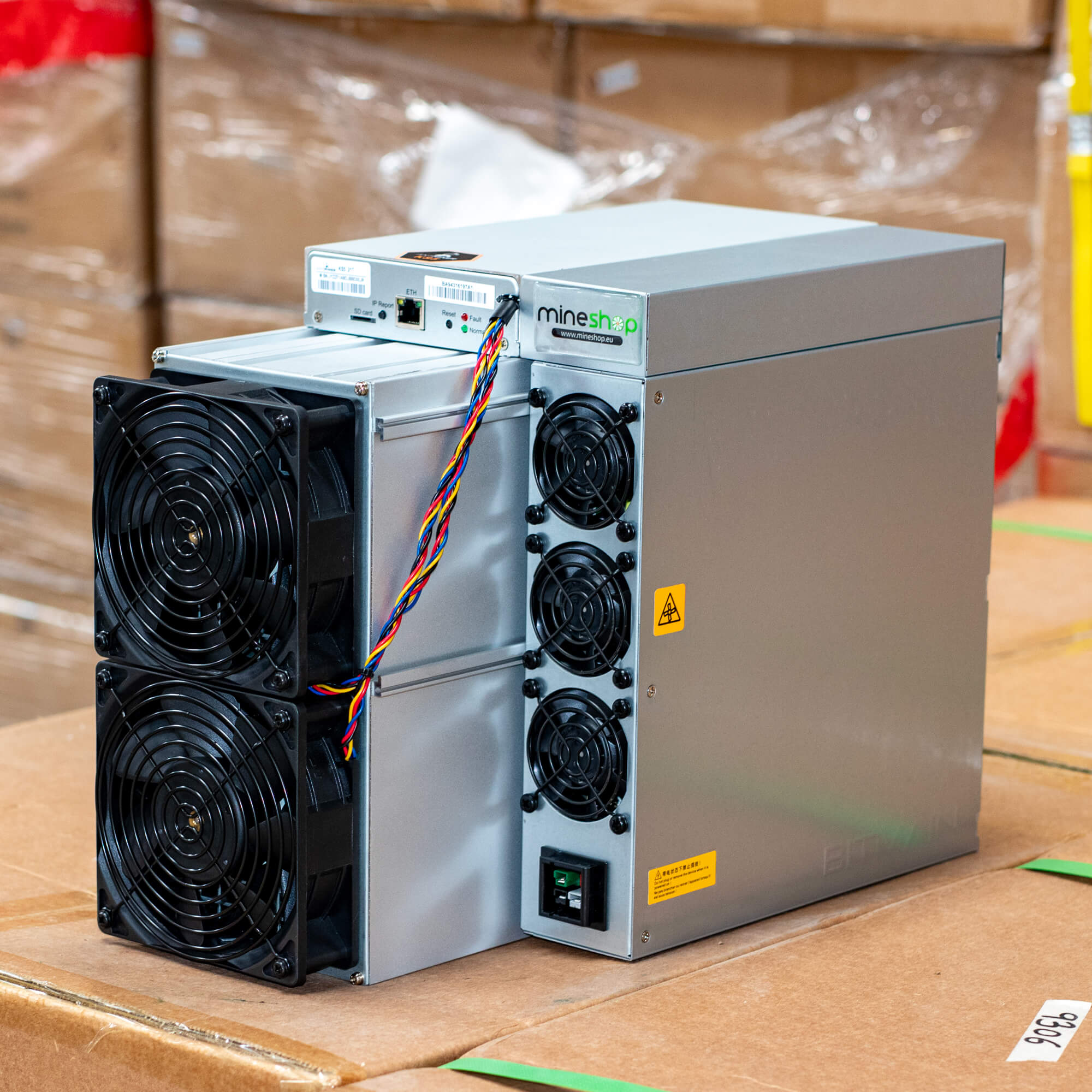
The Bitmain Antminer S21 XP is currently the most powerful ASIC miner on the market, providing 270 TH/s hashrate with 13.5 J/TH energy efficiency. This performance establishes new benchmarks for Bitcoin mining hardware in 2025.
Selecting the right ASIC miner requires evaluation of several key factors, especially for the European market. Energy efficiency directly affects mining operation profitability, as seen with the Antminer S21 Pro delivering 234 TH/s at 15 J/TH. The advanced specifications of newer models typically involve higher initial investment costs.
This guide examines the latest ASIC miners available in Europe, compares their technical specifications, and identifies the critical factors determining return on investment. The analysis covers power consumption, noise levels (typically 70-75 dB in newer models), and other essential specifications needed for making an informed purchase decision.
Key Specifications to Evaluate When Buying an ASIC Miner
When purchasing an ASIC miner, several key specifications determine mining success and profitability. The hash rate, measured in terahashes per second (TH/s), indicates computational power and directly affects earning potential.
Energy efficiency, measured in joules per terahash (J/TH), is the most critical metric for any ASIC miner purchase. This value shows how effectively a miner converts electrical power into hashing capability. Top 2025 models include the Bitmain Antminer S21e XP Hydro with efficiency at 13 J/TH, while the S21 XP Immersion operates at 13.5 J/TH. Lower J/TH values translate to higher profitability over time.
Noise level requires careful consideration, particularly for home mining operations. Standard miners produce over 80 decibels [13], similar to city traffic noise levels of 70-90 dB [13]. Residential settings benefit from hydro-cooled options like the MicroBT Whatsminer M33S++ operating at just 40 dB or immersion-cooled models that eliminate fan noise completely.
Warranty periods differ significantly between manufacturers. Standard coverage for most new miners is 180 days, while the 21 series provides 365 days coverage . Select retailers like mineshop.eu offer extended warranties up to 4 years , protecting against hardware failures and performance issues.
Temperature management affects both performance and equipment lifespan. Inadequate cooling leads to processing throttling and accelerated component deterioration . The most efficient miners in 2025 include:
|
Model |
Efficiency |
Hash Rate |
Cooling Type |
|---|---|---|---|
|
SealMiner A2 Pro Hyd |
14.9 J/TH |
500 TH/s |
Hydro |
|
Antminer S21 XP |
13.5 J/TH |
270 TH/s |
Air |
|
Whatsminer M66S++ |
15.5 J/TH |
356 TH/s |
Hydro |
Electricity cost significantly impacts mining profitability. Even the most efficient miner becomes unprofitable when electricity prices exceed certain thresholds . Before finalizing any purchase, calculate the estimated daily profit based on local electricity rates and the miner's specifications .
Setting Up Your Mining Operation in Europe
Establishing a profitable ASIC mining operation in Europe demands thorough planning beyond hardware acquisition. Successful mining operations depend on proper infrastructure setup and effective management of operational costs.
Electrical setup serves as the foundation for any mining operation. Current-generation ASIC miners typically require 220-240V power for optimal operation. Home mining setups benefit from installing a dedicated 30 Amp circuit with an L6-30P plug for proper power distribution. The 80% rule must be followed - never exceed 80% of your electrical circuit capacity to prevent fire hazards. For a 30 Amp circuit, usage should be limited to 24 Amps maximum.
Cooling solutions play a vital role in maintaining optimal performance. Three main cooling methods are available:
-
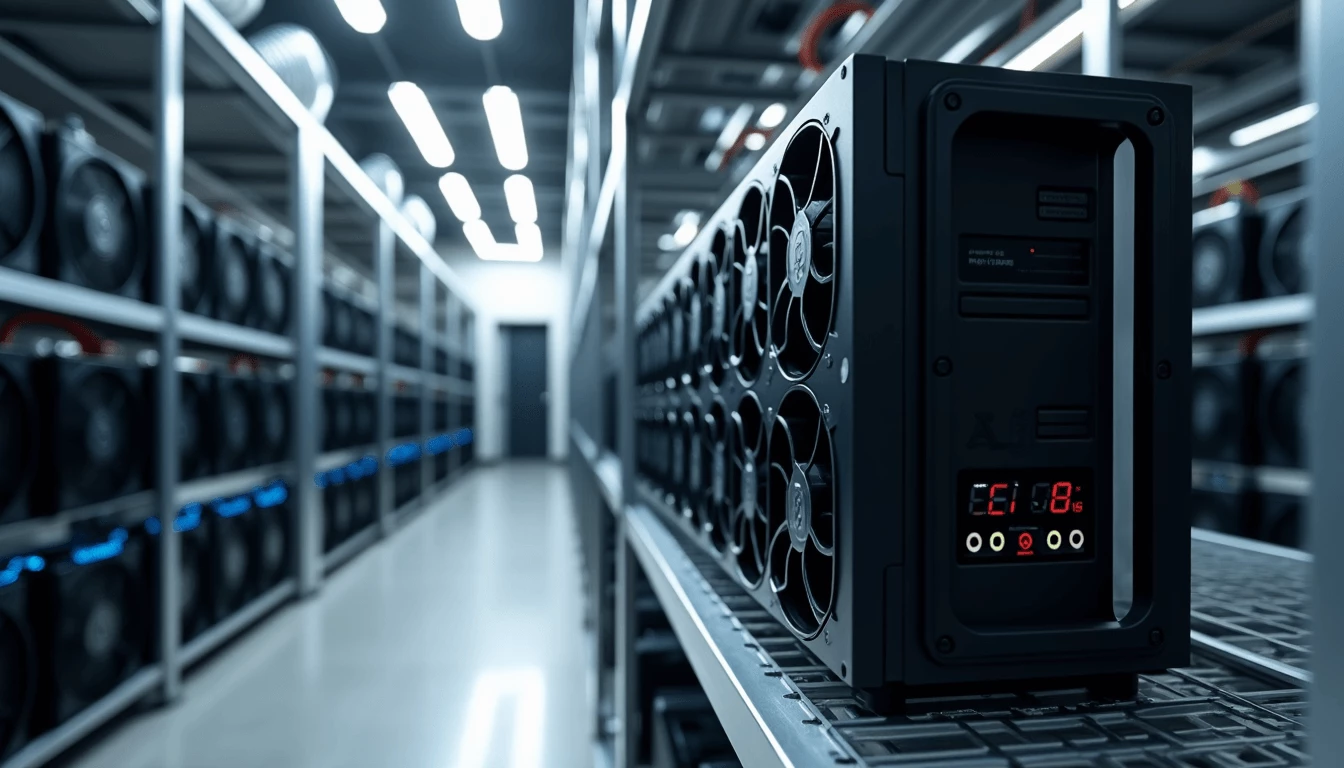
Air cooling - The standard method utilizing fans and ventilation systems. Typical setups feature exhaust fans on one wall pulling air across mining rigs through louvers and air filters on the opposite wall.
-
Immersion cooling - Involves submerging mining hardware in thermally conductive liquid. This approach enables miners to operate at higher speeds, resulting in increased hashrate output,
-
Hydro cooling - Utilizes water in a closed-loop system to extract heat directly from mining hardware. This method offers high efficiency and significantly reduced noise levels compared to air cooling.
Noise management is critical, especially in residential environments. Mining setups can produce noise levels from 55 dBA to 80 dBA, potentially violating nighttime city ordinances (45-55 dBA). Soundproofing solutions such as acoustic foam panels, mass-loaded vinyl, and custom enclosures should be considered .
For miners preferring managed solutions, hosting services are available throughout Europe. These services generally include rack space, technical support, regular maintenance, and security monitoring.
Security measures must address cryptojacking - unauthorized use of resources for mining. Real-time protection tools that provide alerts for crypto scams, phishing, fake wallets, and malicious apps should be installed.
Sustainable mining practices are gaining popularity across Europe. Bitcoin miners can support grid stability by shutting down during electricity price spikes and operating when prices decrease. This adaptability makes mining operations well-suited for integration with renewable energy sources.

2025 Price Analysis of Top Bitcoin Mining Hardware
Price-to-performance ratios now serve as the determining factor for miners seeking profitability in the competitive 2025 market. The European market presents multiple options across various price points, with ROI timeframes directly tied to local electricity costs.
Miners seeking balance between investment and performance may consider the Antminer S21+ Hydro, which delivers 358 TH/s at 15 J/TH for around €6,111 , with an estimated ROI period of 365 days. The more affordable S19XP+ Hydro, though less efficient, can achieve ROI in approximately 280 days due to its lower purchase cost .
Efficiency remains the primary factor in determining long-term profitability. The Antminer S21 Pro offers 234 TH/s at 15 J/TH, consuming 3,510 watts and generating about €7.44 daily (at €0.06/kWh) , while the Antminer S21 XP Hydro provides 473 TH/s at 12 J/TH with daily earnings around €16.89.
Budget-conscious miners may consider the Antminer S19k Pro (120 TH/s) priced at approximately €1,399, requiring about 200 days to reach ROI with €0.03/kWh electricity. The Canaan Avalon Mini 3 offers a modest 37.5 TH/s at €1,450, making it suitable for small-scale mining operations.
At current market rates, the Antminer S21 XP Hydro costs about €25.37 per TH/s, notably higher than previous models but offering superior efficiency that delivers better long-term returns.
Electricity cost remains the most critical factor affecting mining profitability. Even the most efficient miner becomes unprofitable when power costs exceed certain thresholds. Before purchasing, use a mining calculator to determine your specific ROI based on local electricity rates and current network difficulty.
Conclusion
Profitable Bitcoin mining in 2025 depends primarily on selecting appropriate ASIC hardware while accounting for local electricity costs. The Antminer S21 XP leads the market with 270 TH/s at 13.5 J/TH, though this premium efficiency corresponds with higher initial investment.
Prior to finalizing any purchase, calculate the expected ROI based on local electricity rates. A miner priced at €25.37 per TH/s may appear expensive initially, but superior efficiency delivers better long-term returns when power costs remain below €0.07/kWh.
Effective mining operations also require appropriate cooling solutions and noise management. Air-cooled systems offer simplicity, while hydro and immersion cooling provide enhanced performance and quieter operation, particularly valuable for residential setups.
The European market presents various options for different budgets and requirements - ASIC miners are available at mineshop.eu where current prices and specifications can be compared. Whether selecting the budget-friendly Avalon Mini 3 or investing in the high-performance S21e XP Hydro, understanding power costs remains essential for mining profitability.
The most efficient miner becomes unprofitable when electricity costs exceed certain thresholds. Therefore, evaluate local power rates, available cooling solutions, and space requirements thoroughly before committing to any ASIC mining hardware.
FAQs
Q1. What is the most powerful ASIC miner available in 2025? The Bitmain Antminer S21 XP is considered the most powerful ASIC miner in 2025, delivering an impressive 270 TH/s hashrate with 13.5 J/TH energy efficiency.
Q2. How important is energy efficiency when choosing an ASIC miner? Energy efficiency, measured in joules per terahash (J/TH), is crucial when selecting an ASIC miner. It directly impacts profitability by determining how effectively a miner converts electrical power into hashing capability. Lower J/TH values indicate better efficiency and potentially higher profits.
Q3. What cooling options are available for ASIC miners? There are three primary cooling methods for ASIC miners: air cooling (using fans and ventilation systems), immersion cooling (submerging hardware in thermally conductive liquid), and hydro cooling (using water in a closed-loop system). Each method has its advantages in terms of efficiency and noise reduction.
Q4. How do noise levels from ASIC miners compare to everyday sounds? Many ASIC miners generate noise levels over 80 decibels, which is comparable to city traffic noise levels of 70-90 dB. However, some models, like hydro-cooled options, can operate at much lower noise levels, around 40 dB.
Q5. What factors should I consider when calculating the profitability of an ASIC miner? When calculating profitability, consider the miner's hashrate, energy efficiency, your local electricity costs, the current Bitcoin network difficulty, and the initial hardware cost. Use a mining calculator to estimate your specific return on investment (ROI) based on these factors before making a purchase decision.
Comments (0)