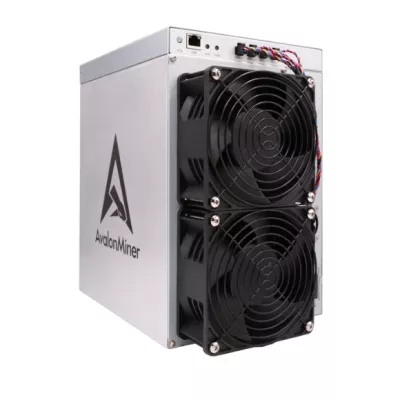
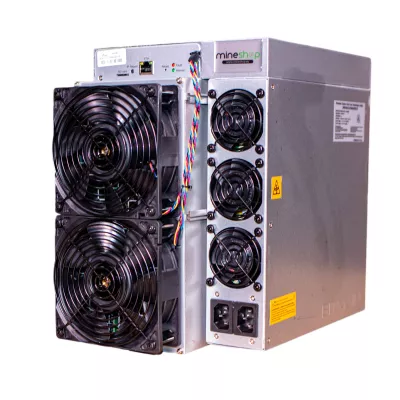
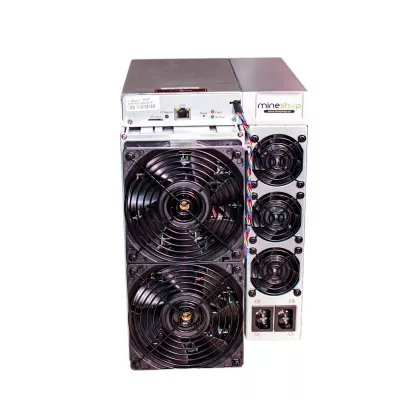
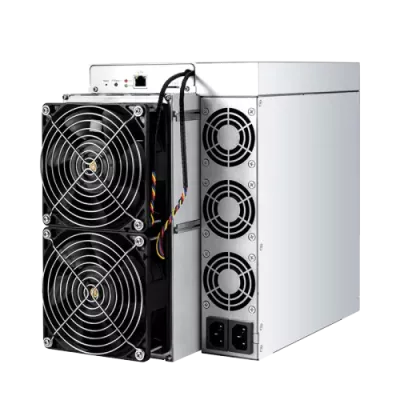
What is an ASIC Miner?
ASIC miners are specialized hardware devices that use Application-Specific Integrated Circuits (ASICs) built only to mine cryptocurrencies. These integrated circuit chips excel at mining digital currencies, unlike general-purpose computers. ASIC, which stands for Application-Specific Integrated Circuit, puts all system circuits on one chip.
These devices compute specific mining algorithms at blazing speeds. They execute the SHA-256 hashing algorithm for Bitcoin mining and output trillions of hashes per second to solve the proof-of-work puzzle. Modern ASIC miners now achieve hash rates above 470 terahashes per second (TH/s), which shows their amazing computing power.
ASIC miners stand out from other mining hardware because of their single-purpose design. CPUs and GPUs can handle many computing tasks, but ASICs focus only on cryptocurrency mining. This specialized approach helps them:
-
Mine faster than general-purpose hardware
-
Use energy more efficiently
-
Earn more mining rewards with superior hash power
Cryptocurrency mining hardware has come a long way. Bitcoin miners started with CPUs and GPUs. Field-Programmable Gate Array (FPGA) miners came next as mining got harder with network growth. ASIC miners then arrived and changed everything.
Canaan Creative launched the Avalon ASIC miner in 2013, which boosted performance and cut energy use. Bitmain joined the market that year with its Antminer series and became a leader in ASIC mining. The Antminer S1's release in late 2013 helped ASIC miners gain widespread use.
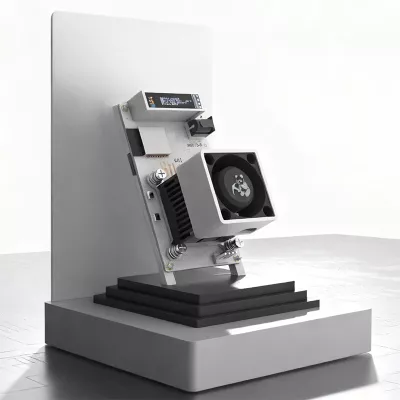
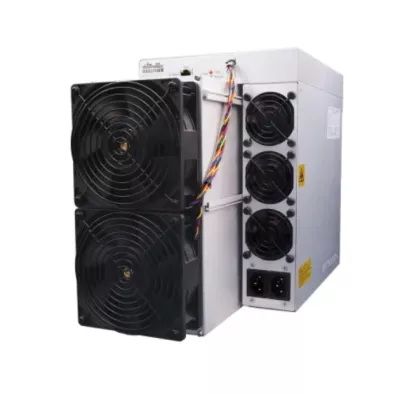
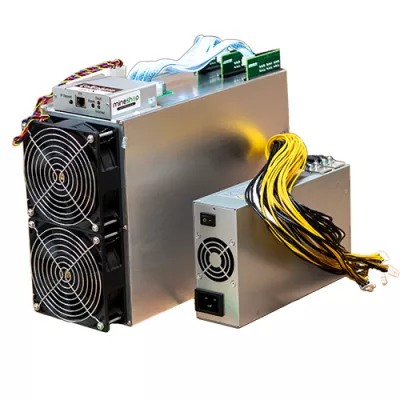
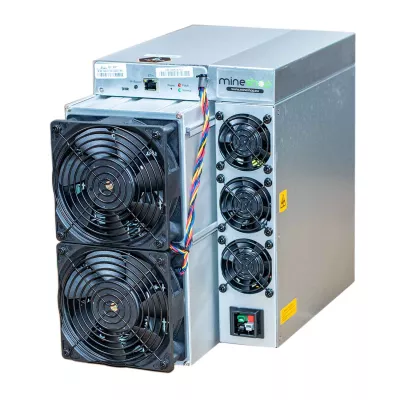
ASIC miners need lots of power for their intense computations. Heat builds up fast and can slow them down without proper management. Large fans and heat sinks play key roles in ASIC mining setups to keep performance high.
Better semiconductor technology has led to more efficient chips that process data faster and use less energy. Better cooling systems have also helped these specialized mining devices work more efficiently.
Each ASIC miner works with specific cryptocurrencies that share the same hashing algorithm. Bitcoin ASIC miners use the SHA-256 algorithm, while other cryptocurrencies need different ASIC designs for their unique hashing algorithms.
ASIC miners come ready to use with built-in proof-of-work blockchain software and internet connectivity for mining. The industry keeps growing as companies create more powerful and efficient models to stay ahead in this fast-changing sector.
Types of ASIC Miners
ASIC miners come in different categories based on what cryptocurrency they mine, how big they are, and which generation of technology they belong to. Each type has its own special features that work best for specific mining needs and settings.
Bitcoin ASIC miners
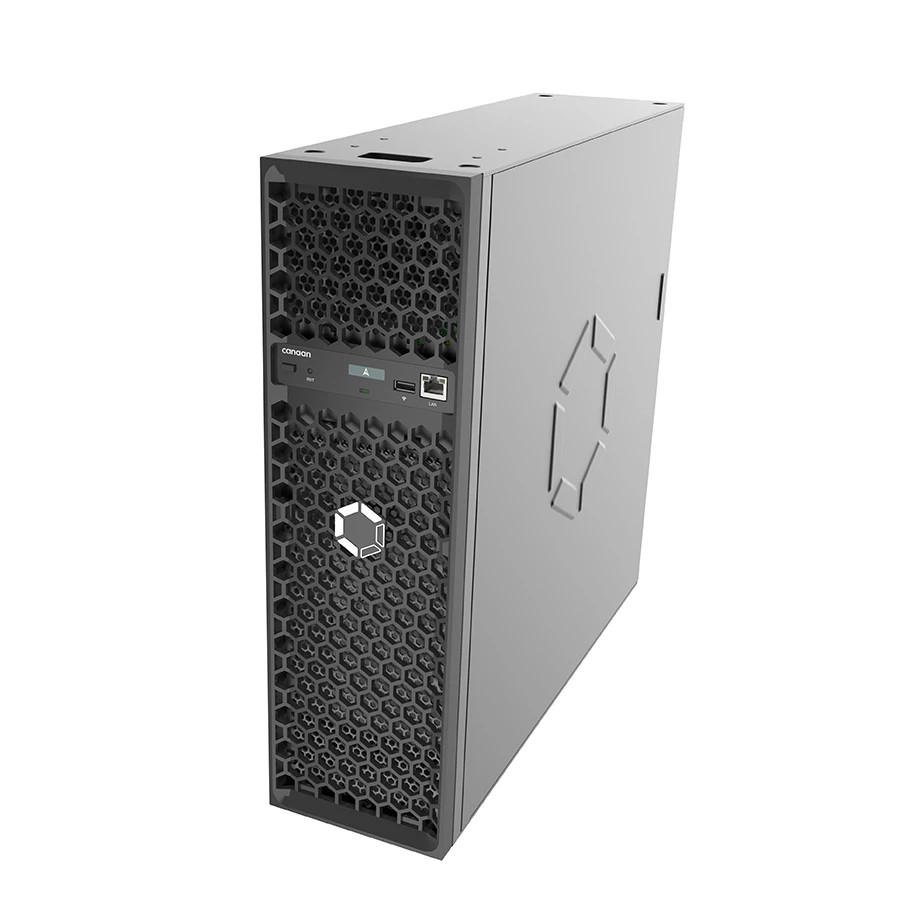
Bitcoin ASIC miners employ the SHA-256 algorithm and make up the biggest part of mining hardware out there. Bitmain's Antminer series leads this space with MicroBT's Whatsminer and Canaan's Avalon lines right behind them. The Antminer S21 Pro packs quite a punch with 234 TH/s hashrate, 3510W power consumption, and 15 J/TH efficiency. The S21 XP Hydro takes things even further with 473 TH/s hashrate and 12 J/TH efficiency, using 5676W. These powerhouse machines need special cooling systems to run at their best.
Litecoin ASIC miners
Litecoin miners run on the Scrypt algorithm instead of SHA-256, which sets them apart from Bitcoin mining hardware. These machines can mine both Litecoin and Dogecoin. The Bitmain Antminer L9 hits 16-17 GH/s while using between 3360W and 3570W. The VolcMiner D1 Pro reaches 18 GH/s and needs 3500W, while the ElphaPex DG2+ pushes out 20.5 GH/s at 3900W. Scrypt ASIC miners have come a long way and now run faster and use less energy than older models.
Mini ASIC miners for home use
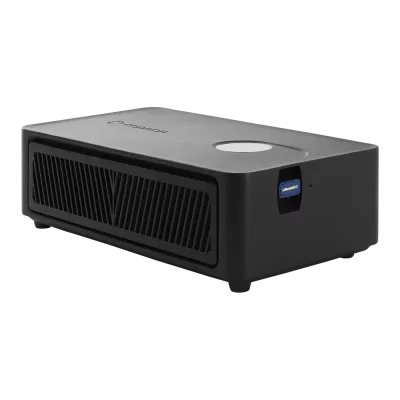
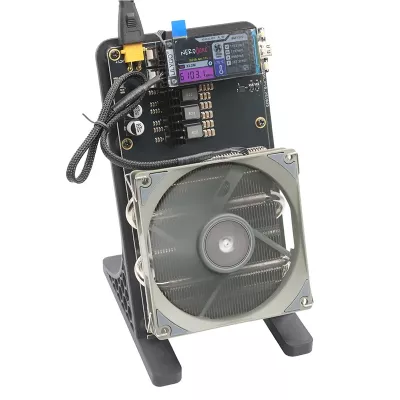
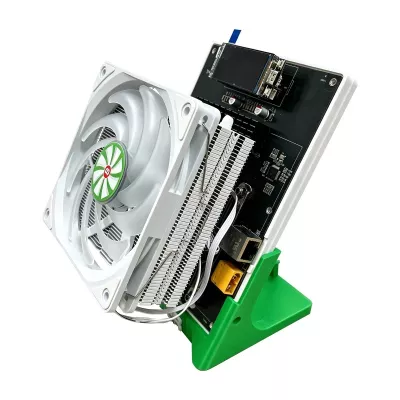
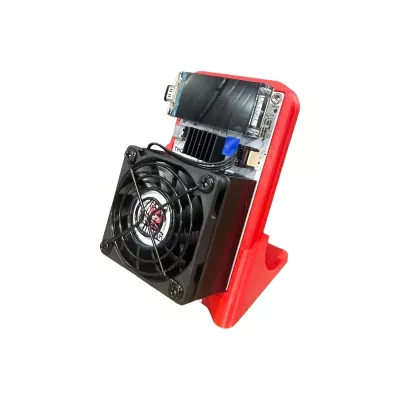
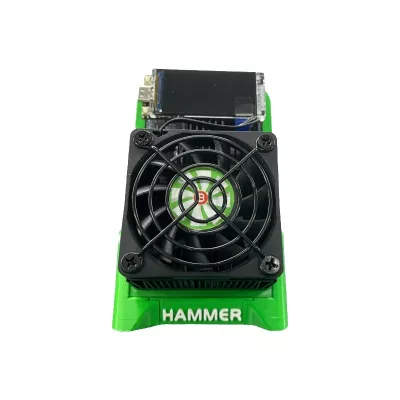
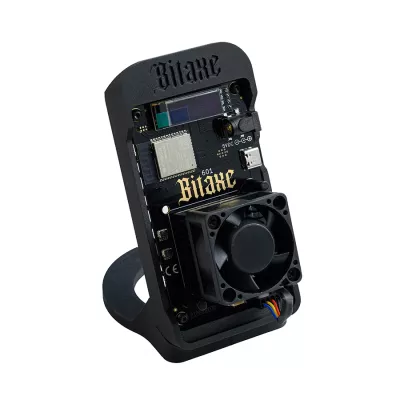
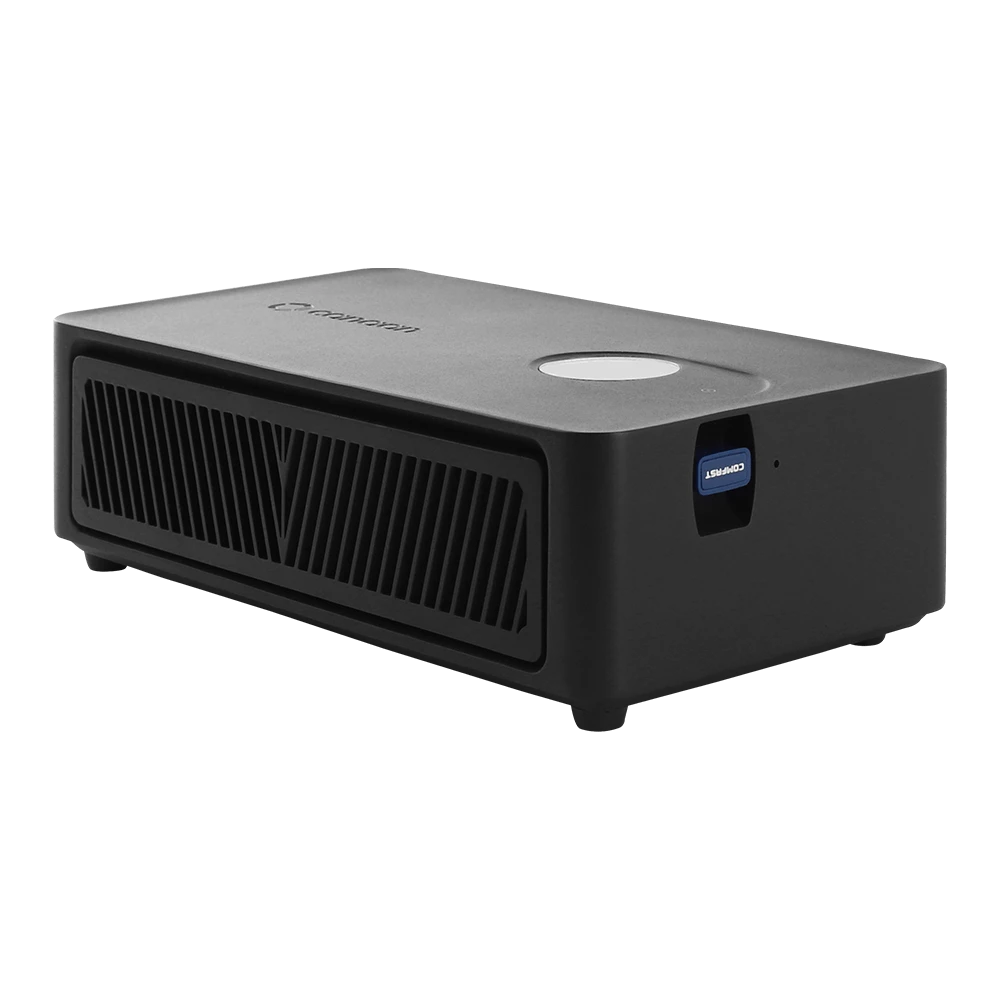
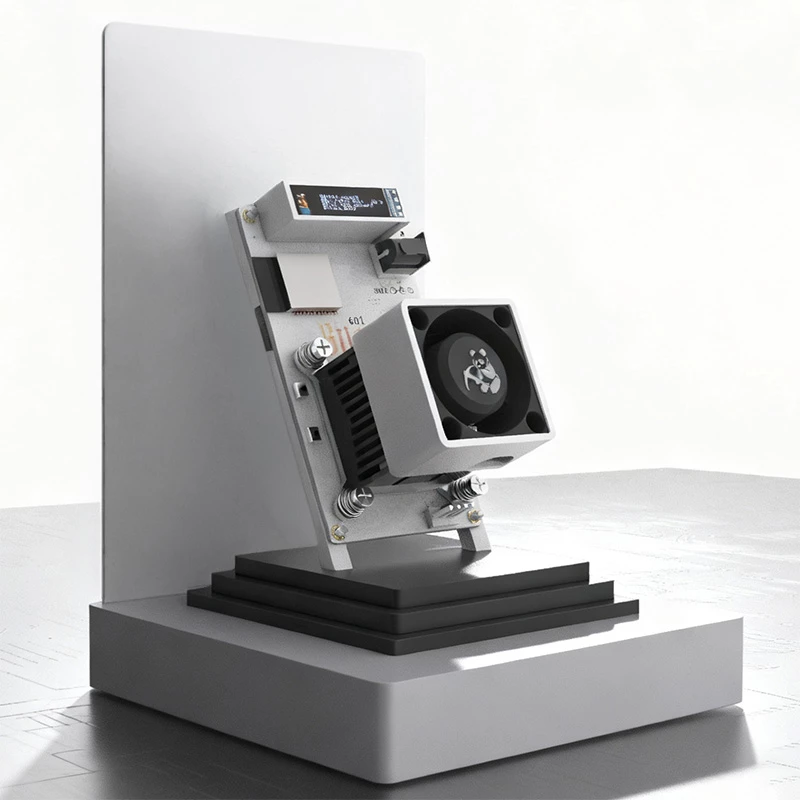
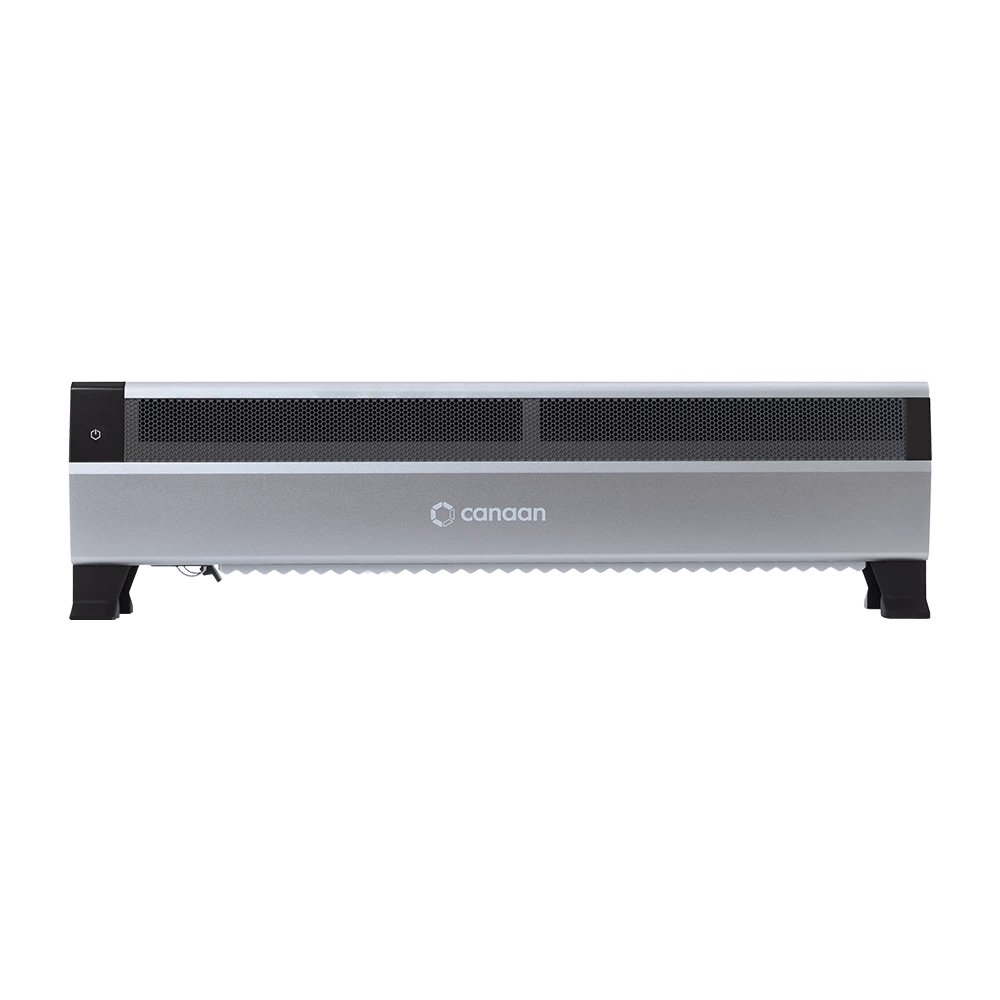
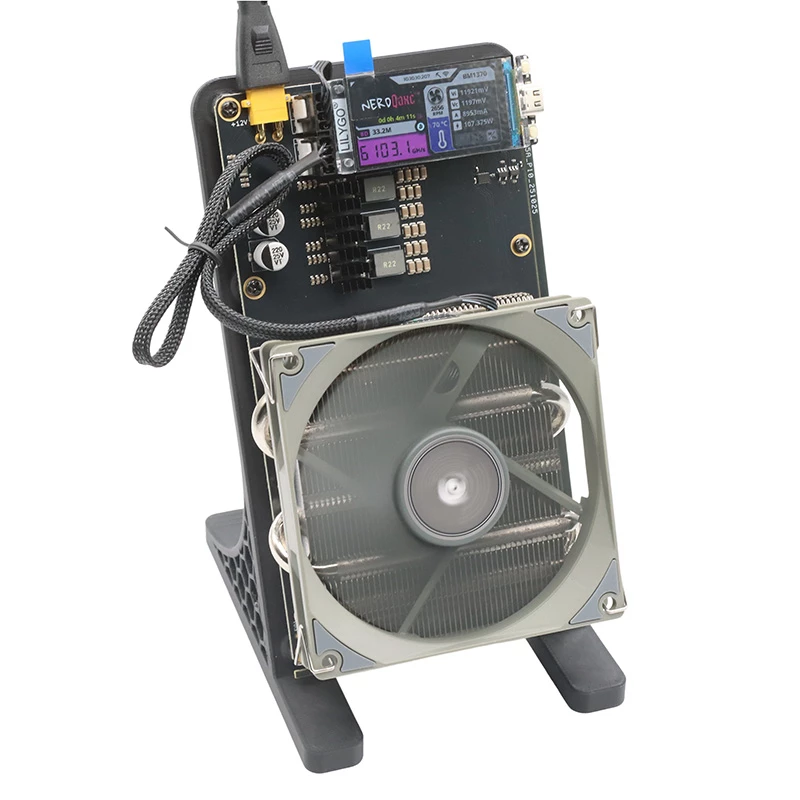
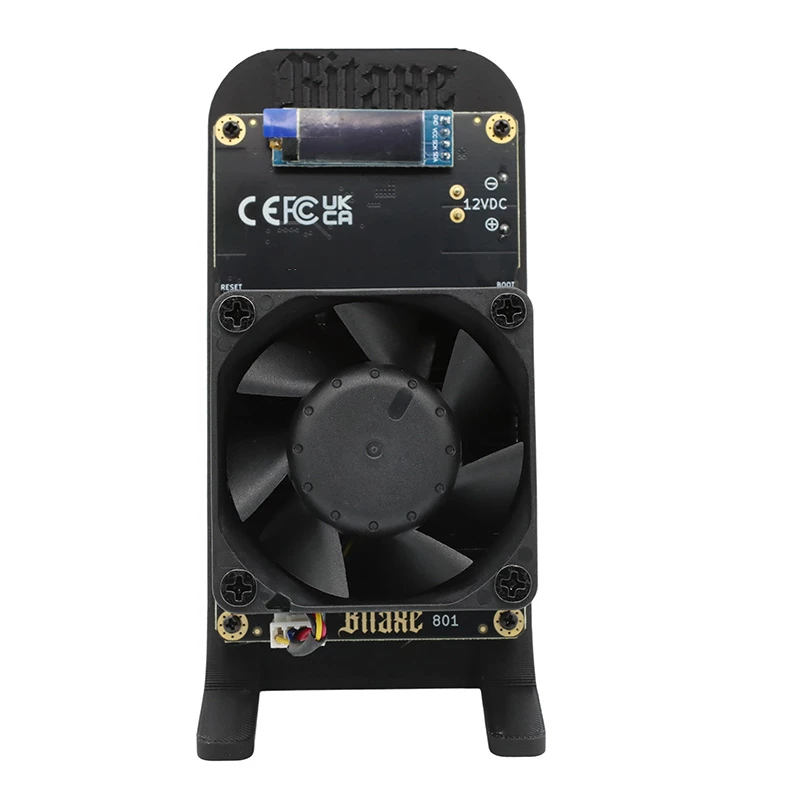
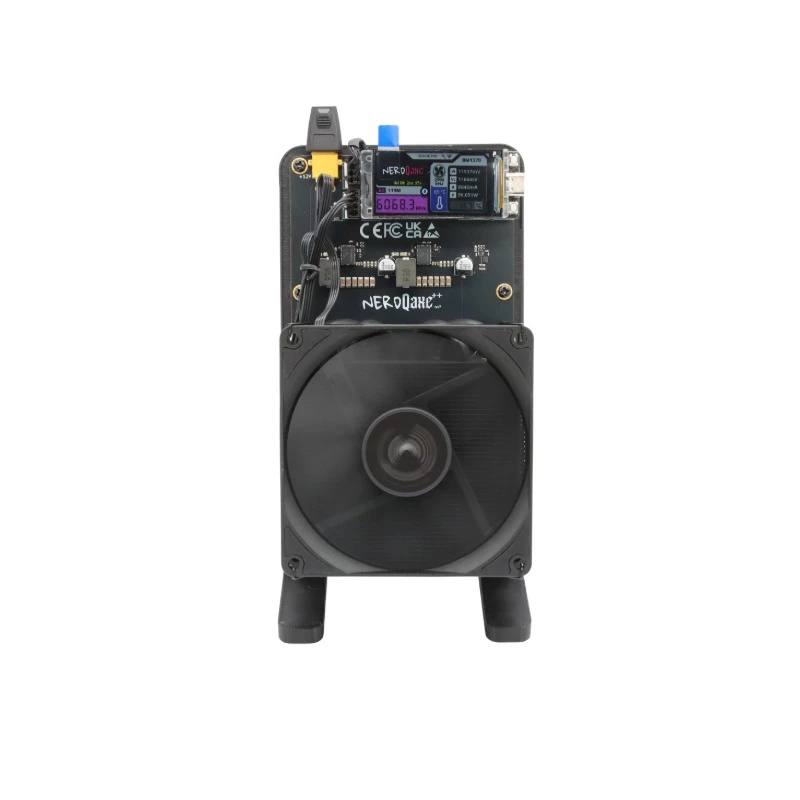
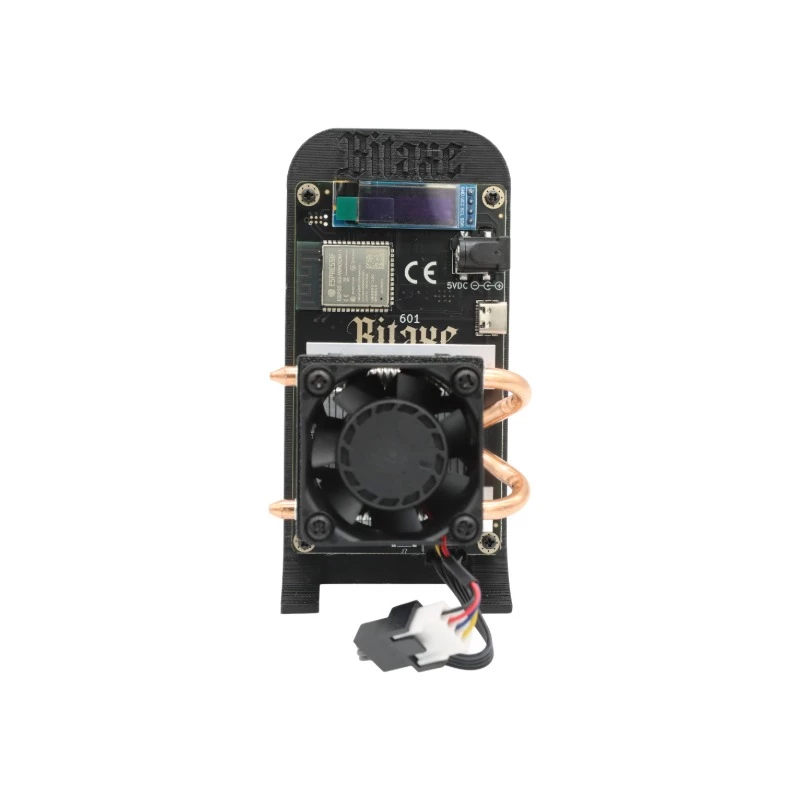
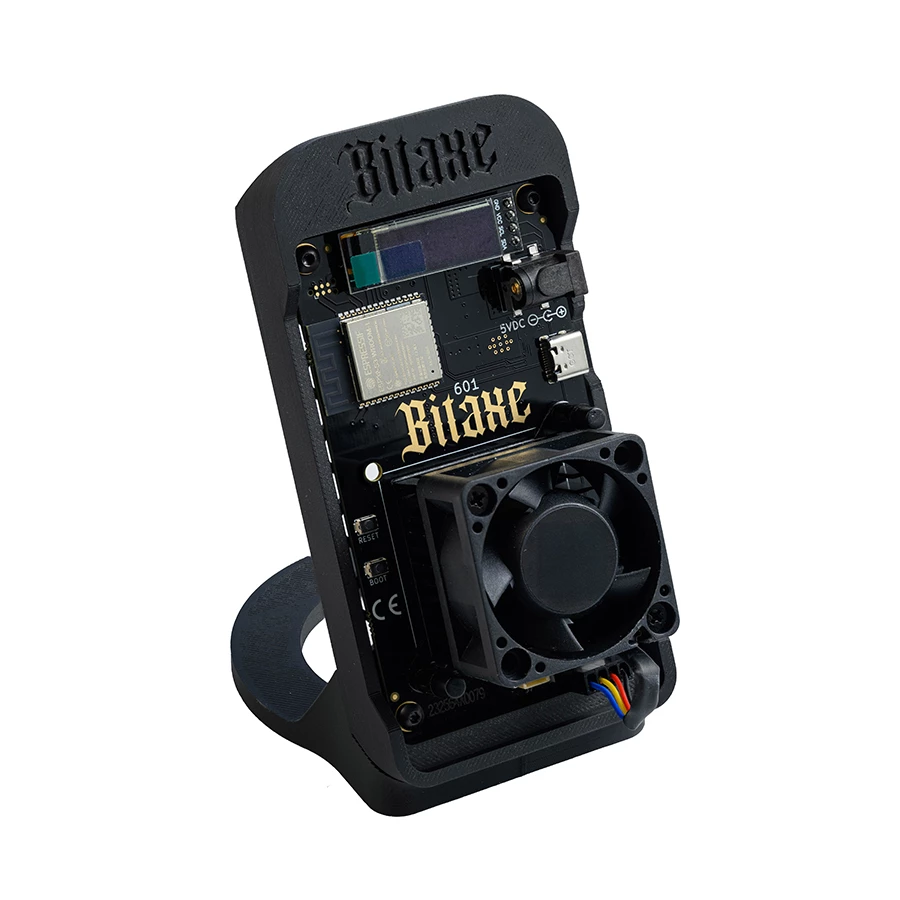
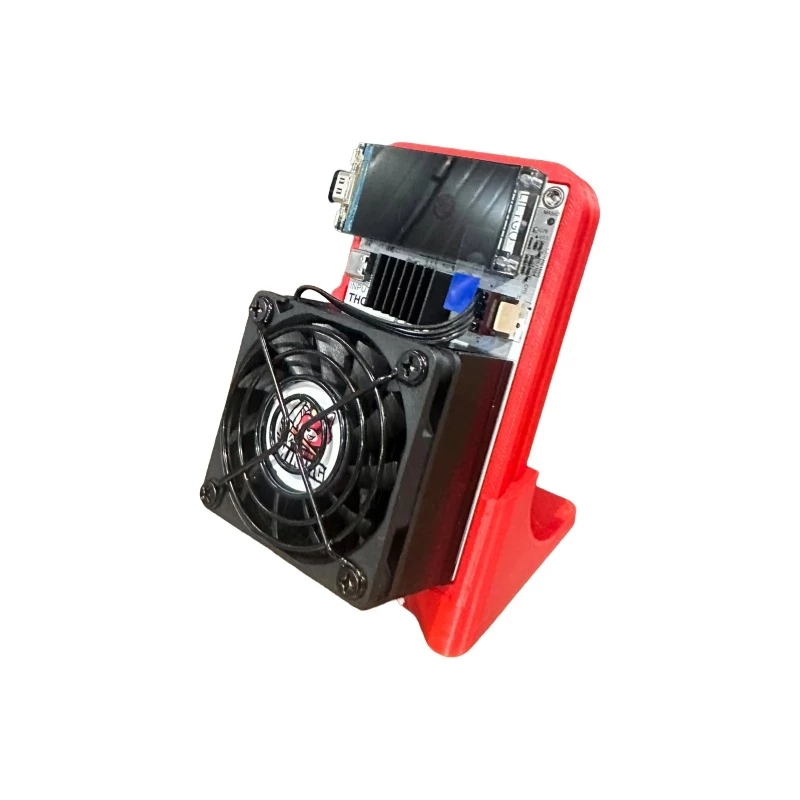
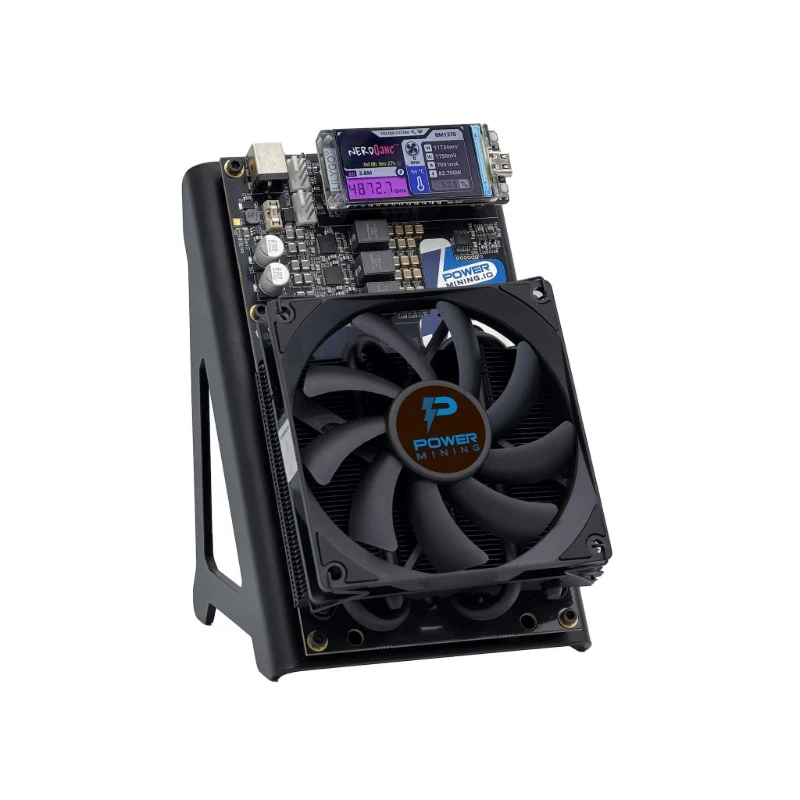
Home ASIC miners are built smaller and quieter, which makes them perfect for houses and apartments. The Bitaxe Gamma, Avalon Nano 3S, Avalon Mini 3, and Avalon Q series are popular choices. These units use between 200W to 3000W, nowhere near what industrial miners need. While home miners might not match industrial hashrates, they're built to balance performance and noise levels - something home users really care about. These machines give individual miners an easy way to start without needing industrial setups.
New-gen vs mid-gen models
New-generation and mid-generation ASIC miners show just how far the technology has come. The latest models like the Antminer S21 series blow past mid-gen units like the S19 series in efficiency. The S21 XP Hydro hits 473 TH/s with 12 J/TH efficiency, while the older S19j Pro manages just 100 TH/s at 29.5 J/TH. The mid-gen models have proven their worth though - Bitmain's S19-generation keeps failure rates under 2%, much better than the S17-generation's 30%. The Antminer S9, now seven years old, changed the game back in 2016 by extending ASIC lifespans from 6-12 months to over five years. That set a standard for durability that newer models still build on today.
How ASIC Miners Work
ASIC miners work through a specialized process that validates cryptocurrency. These devices solve complex cryptographic puzzles essential to blockchain technology by executing precise operations after activation.
The control board starts the core operation by initializing ASIC chips and connecting to a mining pool. The mining pool then assigns the mining device a block of transactions and target hash value. ASIC chips receive their computational tasks from the control board and perform the hashing calculations needed to confirm cryptocurrency transactions.
ASIC miners process transaction data through specific cryptographic algorithms to create long hexadecimal numbers. These machines keep changing the nonce and extra nonce fields to produce different hash values. The process continues until they find a value below the target threshold. This computational work forms the foundations of proof-of-work mining that protects blockchain networks.
Bitcoin ASIC miners today show amazing computational power and can achieve more than 400 terahashes per second. Traditional GPU mining hardware lags far behind, managing only about 120 megahashes per second. To name just one example, see the Bitmain Antminer S21XP Hydro that delivers 473 TH/s while using 5676W of power.
An ASIC miner's internal architecture has these essential components:
-
Specialized ASIC chips: Custom-designed microprocessors that run mining algorithms with exceptional efficiency
-
Control board: Has the microcontroller and interfaces to communicate with external devices
-
Power supply unit: Delivers stable voltage and current to all components
-
Cooling system: Controls heat through fans, heatsinks, or liquid cooling solutions
-
Housing: Guards internal components against dust and moisture
-
Communication interfaces: Ethernet ports that enable network connectivity
The heavy computational processes create substantial heat that needs effective cooling systems. Air-cooled systems use fans and heatsinks, while advanced miners like the S21XP Hydro use water-cooling technology in a closed-loop system. This hydro-cooling approach keeps operating temperatures lower, makes components last longer, and runs quietly at just 50dB—much quieter than regular air-cooled options.
Different cryptocurrencies need specific ASIC miners designed for their hashing algorithms. Bitcoin ASICs use the SHA-256 algorithm and can't mine other cryptocurrencies with different protocols. Litecoin miners employ the Scrypt algorithm, which makes their operational mechanics completely different.
Performance and Efficiency of ASIC Miners
ASIC miners' performance metrics show how well they can mine and how profitable they can be. These specialized devices need to balance their computing power and energy use to get the best results.
Hashrate and power consumption
An ASIC miner's computational power is measured in terahashes per second (TH/s), known as hashrate. A higher hashrate means better chances of solving cryptographic puzzles first and winning block rewards. Bitcoin ASIC miners today are incredibly powerful, with top models reaching 580 TH/s.
The key metric to evaluate ASIC miners is efficiency - how much power they use per hashrate (joules per terahash). Recent models have made big improvements:
-
Latest generation: Bitmain Antminer S23 Hyd (580 TH/s) runs at 9.5 J/Th efficiency and uses 5510W
-
Mid-generation: Antminer S19 (95 TH/s) needs 34.21 W/TH using 3250W
-
Older generation: Antminer S9 (14 TH/s) uses 98 W/TH while pulling 1372W
Temperature plays a big role in power use. Miners use more power when it's hot, which makes them less efficient. Cool weather lets miners work better and even overclock their units to use extra power capacity.
Cooling and noise levels
Good cooling systems help ASIC miners perform their best. Poor heat management causes lower hashrates, worse power efficiency, more maintenance, shorter lifespan, and less profit.
Miners use these cooling methods:
-
Air cooling: The classic approach with high-speed fans that make a lot of noise (70-90 decibels per unit - like standing next to a lawn mower)
-
Hydro cooling: Water-based systems that flow through the miner, cutting noise to about 50dB while keeping temperatures just right
-
Immersion cooling: Puts equipment in special non-conductive fluid, almost eliminating noise and boosting hashrates by 15-30% through better heat control
Noise gets louder as you add more units. Ten machines are about 10dB louder than one, and 100 machines are about 20dB louder. Large mining operations can be as loud as a nightclub at 95-98dB.
Better cooling doesn't just make things quieter - it helps equipment last longer by keeping temperatures steady. The Antminer S21 XP Hyd is a good example, delivering 473 TH/s while staying much quieter than air-cooled models.
How to Choose and Use an ASIC Miner
Choosing the right ASIC miner depends on several technical factors that affect your mining profits. A step-by-step review of specs and operational needs will give you the best results for your crypto mining setup.
1. Check power requirements
Power consumption makes up 60-80% of mining operation costs. Modern ASIC miners just need 220-240V power and use between 3,000-3,500W per unit. Mining from home requires a dedicated 30 Amp circuit with an L6-30P plug. The 80% safety rule limits usage to 24 Amps maximum. Energy efficiency measured in joules per terahash (J/TH) is the most important metric to evaluate before buying. The Antminer S19 uses 3,250W at 95 TH/s (34.21 J/TH). The S19 XP runs more efficiently at 141 TH/s using 3,010W (21.35 J/TH).
2. Compare hashrate and ROI
Hash rate associates directly with earning potential - more computational power means higher mining rewards. In spite of that, profits depend on balancing original costs against expected earnings. ROI calculations show how fast you recover your investment. Mining calculators are a great way to get accurate numbers by factoring your equipment's hash rate, local power costs, network difficulty, and hardware investment. The newer S21 XP Hydro reaches 473 TH/s at 12 J/TH, offering better returns despite higher costs.
3. Think about hosting or home setup
Home mining comes with unique challenges. ASIC miners create 75-85 decibels of noise (like a vacuum cleaner), produce much heat that needs ventilation, and can overload home electrical systems. Hosting facilities offer renewable energy, stable power pricing, ideal cooling, and round-the-clock monitoring. This option removes home disruptions and lets you scale up mining operations easily.
4. Use mining software and pools
Mining software helps optimize equipment performance. Awesome Miner supports over 200 ASIC models with remote setup, monitoring, and automated operations. Braiins OS firmware can improve chip performance and make equipment last longer. Mining pools share rewards based on your computational power, giving steady income instead of unpredictable solo mining. Major pools include F2Pool (mining about 18% of all blocks), Braiins (running since 2010), and Antpool. Each pool has different fee structures (0-4%) and minimum payout thresholds (0.0001-0.005 BTC).
ASIC Miners vs Other Mining Hardware
Cryptocurrency mining hardware has gone through multiple generations. The technology started with CPUs, progressed to GPUs, then FPGAs, and finally reached ASIC miners. Each technology brings its own advantages to the mining ecosystem.
ASIC miners show clear dominance in computational power. These machines calculate hashes 100,000 times faster than the best CPU. Modern ASICs produce terahashes per second (TH/s). The most powerful GPUs can only reach a few hundred megahashes per second (MH/s). This massive performance gap makes ASICs the preferred choice for Bitcoin mining.
The energy efficiency crown also belongs to ASIC miners. Their single-task design reduces power usage per unit of work. The Antminer S19 Pro serves as a prime example - it uses about 3,250 watts while delivering impressive hash rates. GPU mining setups need more power to achieve similar computational output.
Alternative mining hardware shines in its versatility. GPU miners can switch between different cryptocurrencies. These cards remain useful for gaming, video rendering, or AI computing if mining stops being profitable. ASIC miners lack this flexibility - a Bitcoin ASIC works only with Bitcoin and other SHA-256 cryptocurrencies.
Hardware costs vary by a lot between different types. Top-tier ASIC miners cost between £2,382 and £3,176. Quality GPUs range from £397 to £1,191 each. Miners often need several GPUs to achieve competitive hash rates, which drives up the total investment.
GPUs and FPGAs have better staying power in the market. ASIC machines become outdated when mining algorithms change or newer models arrive. GPU cards keep their value because they work well in many applications beyond crypto mining.
The choice of mining hardware comes down to specific needs. ASICs excel at efficiency and profitability with established coins like Bitcoin. GPU setups offer more flexibility with different mining algorithms. This basic tradeoff between specialized performance and versatility shapes today's cryptocurrency mining hardware landscape.
Key Takeaways
ASIC miners are specialized cryptocurrency mining devices that dramatically outperform general-purpose hardware, offering miners the most efficient path to profitability in today's competitive landscape.
• ASIC miners deliver 100,000x faster hash rates than CPUs and consume significantly less power per hash, making them essential for profitable Bitcoin mining operations.
• Modern ASIC miners like the Antminer S21 XP Hydro achieve 473 TH/s with 12 J/TH efficiency, representing massive improvements over older generations.
• Power consumption accounts for 60-80% of mining costs, requiring 220-240V dedicated circuits and careful efficiency calculations before purchase decisions.
• Home mining faces noise (75-85 decibels), heat, and electrical challenges, while hosting facilities offer professional cooling and stable power costs.
• Unlike versatile GPUs, ASIC miners are algorithm-specific and become obsolete faster, but their superior efficiency makes them the standard for serious mining operations.
The cryptocurrency mining industry has evolved toward specialized hardware dominance, where ASIC efficiency determines profitability more than any other factor in today's competitive environment.
FAQs
Q1. What is an ASIC miner and how does it differ from other mining hardware? An ASIC miner is a specialized device designed specifically for cryptocurrency mining. Unlike general-purpose hardware like CPUs or GPUs, ASIC miners are optimized for a single task, making them significantly more efficient and powerful for mining specific cryptocurrencies.
Q2. How do I choose the right ASIC miner for my needs? When selecting an ASIC miner, consider factors such as power requirements, hashrate, energy efficiency (measured in joules per terahash), and return on investment. Compare different models, calculate potential profitability using mining calculators, and assess whether a home setup or hosting facility is more suitable for your situation.
Q3. What are the power requirements for running an ASIC miner? Most current-generation ASIC miners require 220-240V power and consume between 3,000-3,500W per unit. For home setups, a dedicated 30 Amp circuit is typically necessary. It's crucial to factor in electricity costs, as they can account for 60-80% of operational expenses in mining.
Q4. How noisy are ASIC miners and what cooling options are available? ASIC miners can be quite loud, producing 75-85 decibels of noise (similar to a vacuum cleaner). Cooling options include traditional air cooling with fans, hydro cooling systems that use water circulation, and immersion cooling that submerges the equipment in non-conductive fluid. Advanced cooling solutions can significantly reduce noise levels and improve efficiency.
Q5. Can ASIC miners be used for mining different cryptocurrencies? ASIC miners are designed for specific mining algorithms. For example, Bitcoin ASIC miners use the SHA-256 algorithm and can only mine Bitcoin and other cryptocurrencies that use the same algorithm. They cannot be repurposed for mining cryptocurrencies with different algorithms, unlike more versatile GPU miners.
Buying Guide
Which ASIC Miner to Choose
The right miner depends on your electricity rate. At €0.10/kWh, mid-gen units are profitable. At €0.20+/kWh you need efficiency below 15 J/TH. We have shipped 90,000+ miners — ask us which model fits your setup.
Delivery & Warranty
EU Stock, Fast Shipping
Most orders are dispatched from Ireland and Latvia via DHL or FedEx, with delivery across Europe in 2 to 4 business days. Industrial ASICs carry a 180-day warranty. Home miners (Avalon Nano, Bitaxe) include 2 years.
Profitability
Is Mining Worth It in 2026?
At €82,000 BTC and €0.10/kWh the Antminer S21 returns approximately €8 to €12 per day. Use our profitability calculator or check live data before buying.